Why Graduate Diploma in Engineering?
Ready to advance your expertise in Australia’s booming maritime sector?
Use your specialised knowledge and practical skills in defence, shipbuilding or marine consultancy. With your knowledge in engineering data analytics, systems design and sound technology, you’ll be ready to tackle real-world challenges in this field.
Whether you’re interested in driving innovations in high-speed ferries or working in submarine design, this program offers hands-on experience aligned with industry needs.
As South Australia’s maritime sector expands, you’ll be well-prepared to make an impact in a range of roles with strong local growth and global opportunities.
Overview
Immerse yourself in the advanced world of maritime engineering and use your technical skills to drive groundbreaking innovations in shipbuilding, defence and marine sustainability.
Design state-of-the-art submarines. Implement sustainable practices in high-speed ferry development. Gain the knowledge to solve complex challenges that impact maritime safety, defence and environmental protection.
Working within South Australia’s expanding maritime sector, you’ll develop both practical and strategic skills, from advanced analytics to sustainable design approaches.
Graduates are primed to make meaningful contributions to global maritime advancements, driving progress in sustainability and defence technologies.
This qualification opens doors to diverse and impactful career paths, enabling you to shape the future of maritime engineering both locally and globally.
Key features
 Gain essential expertise in data analytics, systems engineering and sound technology for maritime applications.
 - Develop specialised skills for high-demand roles in shipbuilding, submarine design and marine consultancy.
- Engage in real-world projects, solving complex engineering challenges alongside industry experts.
- Connect with South Australia’s booming maritime industry and prepare for global opportunities.
- Explore advanced areas like submarine construction, giving you a competitive edge in defence and commercial shipping.
- Boost your career with hands-on experience and practical skills tailored for the maritime engineering sector.
What you'll learn
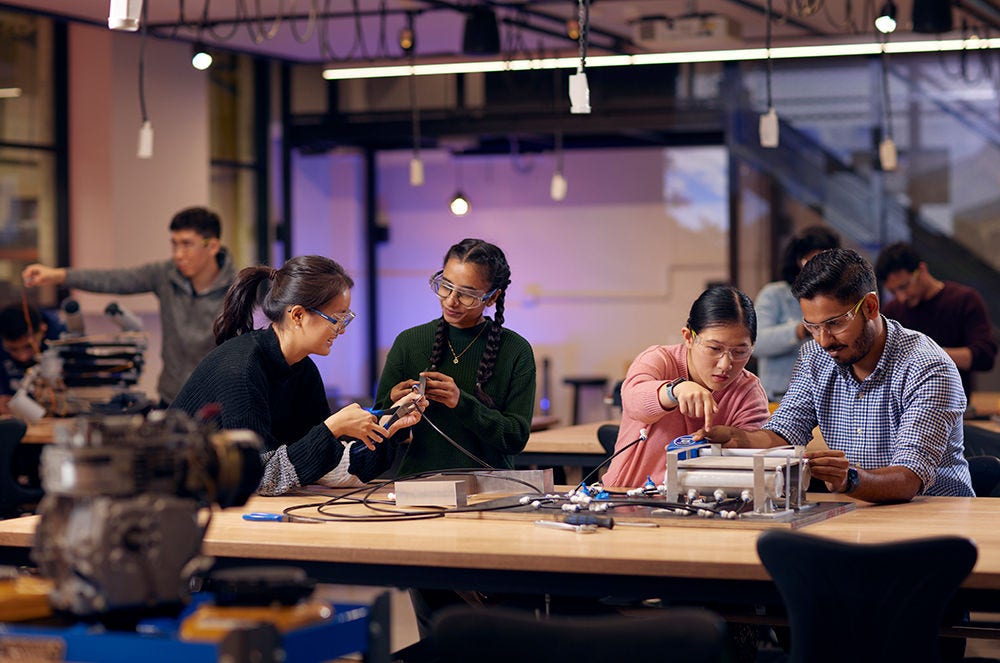
Our Graduate Diploma in Engineering specialising in Maritime Engineering, offers a unique, hands-on learning experience.
Over a full year of study, you’ll gain a blend of technical and strategic skills.
You’ll study topics like engineering data analytics, where you’ll learn to use data-driven methods to tackle complex engineering challenges.
Systems engineering will give you the foundational knowledge in designing and managing large-scale systems.
Learn about acoustics and vibrations to get an introduction to the science of sound within maritime environments. These are fundamental aspects of ship and submarine design.
The program also includes specialised courses in submarine design, giving you the technical skills to develop innovative solutions in defence and marine transport.
Throughout the program, you’ll connect with industry experts and build valuable networks within South Australia’s growing maritime sector.
You’ll have a well-rounded skill set that includes sustainable engineering practices, advanced analytics and technical design. Graduate well-prepared to confidently contribute to cutting-edge advancements in maritime engineering, locally and globally.
Specialisations
The Graduate Diploma in Engineering is also available with specialisations in the following:
- Energy resources engineering
- Environmental and water resources management.

What courses you'll study
Complete 48 units comprising:
- 0 to 12 units for Program Electives, and
- 24 to 48 units for Specialisation, and
- 0 to 12 units from Work integrated learning
Complete 0 to 12 units from the following:
| Course name | Course code | Units | |
|---|---|---|---|

|
Course name
Masters Professional Engineer Career Preparation
|
Course code
ENGI5900
|
Units
6
|
|
|
Course name
Masters Professional Engineer Engagement with Professional Practice
|
Course code
ENGI5901
|
Units
6
|
| Course name | Units |
|---|---|
| Year 1 | |
| Semester 2 | |
|
Course name
|
Units
6
|
|
Course name
|
Units
6
|
|
Course name
|
Units
6
|
|
Course name
|
Units
6
|
| Semester 1 | |
|
Course name
|
Units
6
|
|
Course name
|
Units
6
|
|
Course name
|
Units
6
|
|
Course name
|
Units
6
|
Complete 0 to 12 units comprising:
- 0 to 12 units from Program electives
| Course name | Course code | Units | |
|---|---|---|---|
|
|
Course name
Professional Engineering Management
|
Course code
ENGI5003
|
Units
6
|
|
|
Course name
Engineering Data Analytics
|
Course code
ENGI5006
|
Units
6
|
| Course name | Units |
|---|---|
| Year 1 | |
| Semester 2 | |
|
Course name
|
Units
6
|
|
Course name
|
Units
6
|
|
Course name
|
Units
6
|
|
Course name
|
Units
6
|
| Semester 1 | |
|
Course name
|
Units
6
|
|
Course name
|
Units
6
|
|
Course name
|
Units
6
|
|
Course name
|
Units
6
|
Complete 24 units comprising:
- 24 units from Specialisation courses
| Course name | Course code | Units | |
|---|---|---|---|
|
|
Course name
Submarine Design and Construction
|
Course code
ENGI5015
|
Units
6
|
|
|
Course name
Principles of Submarine Design
|
Course code
ENGIX501
|
Units
6
|
|
|
Course name
Acoustics and Vibrations
|
Course code
ENGMX300
|
Units
6
|
|
|
Course name
Principles of Systems Engineering
|
Course code
ENGP5004
|
Units
6
|
| Course name | Units |
|---|---|
| Year 1 | |
| Semester 2 | |
|
Course name
|
Units
6
|
|
Course name
|
Units
6
|
|
Course name
|
Units
6
|
|
Course name
|
Units
6
|
| Semester 1 | |
|
Course name
|
Units
6
|
|
Course name
|
Units
6
|
|
Course name
|
Units
6
|
|
Course name
|
Units
6
|
Career outcomes
The Graduate Diploma in Engineering specialising in Maritime Engineering at Adelaide University, prepares you for a dynamic career in maritime and defence.
With advanced skills and industry knowledge, you’ll be ready to contribute to pioneering projects in a sector rich with potential.
You could get a role with a company like ThyssenKrupp Marine Systems and play a crucial role in the development of innovative marine technologies. Or maybe you’ll get a role at Thales Group designing eco-friendly high-speed vessels. You might apply your expertise working in research and development at BAE Systems.
Other possible careers include:
- Marine engineer
- Maritime consultant
- Naval architect
- Marine surveyor
- Offshore engineer.
With a focus on practical skills, this program equips you to make an impact in a field full of possibilities and global opportunities.
Industry trends
Various key technologies are driving growth and innovation in the maritime industry (KnowHow, 2024).
These include:
- Artificial Intelligence (AI) and Machine Learning
- Clean energy technologies
- Big data
- Sensor technology.
Collectively these trends are driving the maritime industry towards increased efficiency, improved safety and greater sustainability.
With a blend of technical skills, innovation and strategic thinking, graduates are well prepared for the evolving opportunities in this industry.
Ready to apply?


Your study experience and support
Adelaide University sets you up for success in your studies – and your social life. You’ll have access to work placement and internship opportunities, overseas study tours and exchanges, networking events with guest speakers and more. Our campuses are equipped with purpose-built facilities including lecture theatres, libraries, workshops, laboratories, and spaces that simulate real work environments. These are all supported by the latest technologies and a 24/7 online learning platform with personalised study information and resources.
You’ll have everything you need to live well and thrive during your studies, with health services on campus, gymnasiums, technology zones and modern student lounges. Get involved in campus sport or join our student clubs that will connect you to your passions – and the people who share them.
Adelaide also has a variety of accommodation options to suit your individual requirements and budget, with options ranging from dedicated student accommodation to private rentals. One of the world’s most liveable cities, Adelaide has lots of leafy parks, gardens and social hubs – and some of the highest living standards globally. No matter where you are in Adelaide, you’re only a short distance from beaches, vineyards, museums, art galleries, restaurants, bars and parklands. Visit the accommodation web page to find out more.
Student services
We’re here to support you on your student journey. Adelaide University offers a range of support services and facilities, including:
- Career advice and mentoring services
- Personal counselling
- LGBTQIA+ support
- Academic support
- Fees and finance help
- Security services
- Accommodation services
- Common rooms
- Prayer rooms.
You’ll also have unlimited access to our dedicated student support hub. Visit in-person or online, or contact our friendly team by phone. We can assist you with anything study-related including enrolment, identification cards, timetables, fees and more.

Your campus
You'll be studying at one of our renowned campuses, accessing cutting-edge facilities and contemporary study spaces.
Study hours
Your courses will require a combination of different learning formats, including lectures, tutorials, workshops, seminars and practicals. Aside from your classes, you’ll also need to allocate additional time for independent study. This may include assignments, readings, projects and contributing to online discussion forums. As a rough guide, full-time studies may require 12-26 hours of class time and 14-18 hours of independent study per week.
Assessment
During your studies at Adelaide University, you’ll complete a mixture of practical, professional and research-based learning. Your assessment types will vary depending on the degree you’re studying, but may include:
- Case studies
- Essays and assignments
- Examinations
- Group projects
- Internships and placements
- Practicals
- Presentations
- Reports and project documentations
- Research projects
- Workplace and classroom contributions.