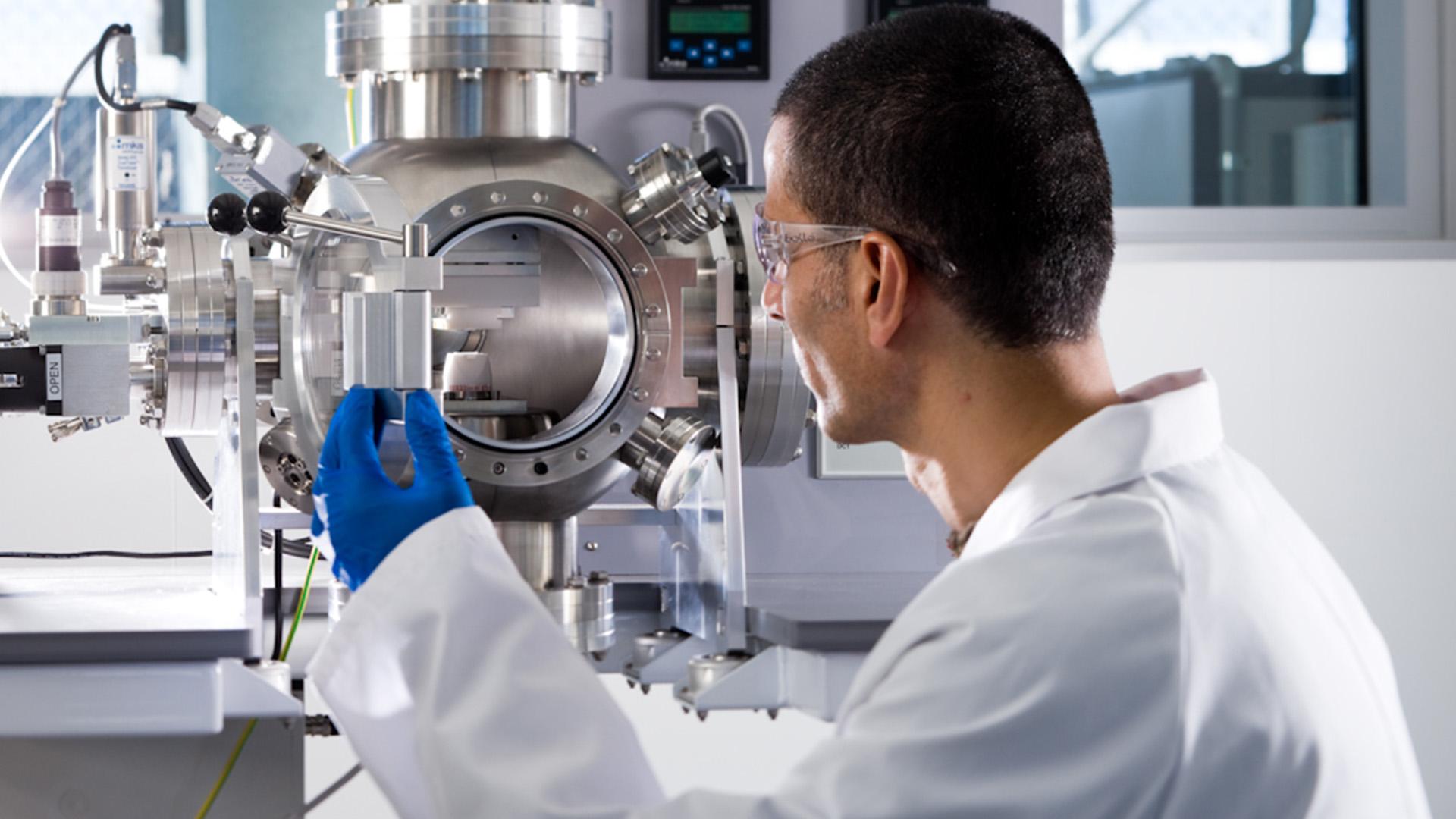
Engaging in real world problem solving at all scales and timelines, from fundamental laboratory studies to processing plant surveys and challenges, the Sustainable Minerals Processing group is focussed on the application of advanced analytical techniques, such as surface spectroscopies and mineralogical microscopies to determine chemical and physical factors influencing separation. Aiming to achieve improvements in recovery and grade to concentrates with reduced energy, water and environmental footprint, through deep understanding and new technologies this group excels in strategic-basic and applied R&D in minerals processing/beneficiation.
Research capabilities include:
- Flotation (pulp and surface chemistry)
- Leaching (including heap)
- Physical Separation and other Unit Operations (including surface effects)
- Surface Chemical Control in Grinding/Milling
- Mineral formation-Processing Relationships
- Bulk Property-Surface Reaction Relationships in Processing Contexts (oxidation, activation, dissolution and molecular adsorption)
- Agglomeration Chemistry
- Impact of Water Chemistry on Processing, Recovering Value from Tailings, etc.
All commodities, including base metals (sulphide and oxide), gold and precious metals, PGM, Rare Earths, Li, graphite, iron ore, industrial minerals/catalysts and strategic metals.
For more information or to discuss potential projects contact: b.skinner@adelaide.edu.au