Acid Sulfate Soils Centre

Plant and soil image

We are a multidisciplinary research centre with core research staff in Adelaide University, CSIRO, and a national and international network of collaborators

Acid sulfate soils occur naturally in both coastal and inland settings where waterlogged conditions with sufficient organic matter, iron and sulfate is, or has previously been, present. The production of sulfuric acid (H2SO4) in these soils can have a lasting effect on the main soil characteristics, and therefore needs to be understood to mitigate the impact of climate change, drought and water quality.

Our team conducts pure and applied research on acid sulfate soils to increase knowledge in the areas of soil and water geochemistry, mineral exploration, site rehabilitation, blue carbon, assessment and management of acid drainage and ecosystem impacts, and infrastructure risks.

Explore our research

We conduct research on understanding and mitigating the impacts of drought, climate change, and geochemistry on acid sulfate soils, water quality, ecosystems, and infrastructure.

Engage with us

We have successfully conducted a wide range of consulting and contract research projects for government, business and industry. We also welcome enquiries from prospective post-graduate students about potential Masters and PhD projects.

Explore the Acid Sulfate Soils Centre

The Acid Sulfate Soils Centre focuses on pure and applied research and development related to acid sulfate soils in the fields of environmental science, acid drainage and water pollution, mineral exploration, soil and mine site remediation, and infrastructure damage (e.g. roads, optical fibre cable systems; corrosion of concrete and metals).

We have access to advanced analytical equipment including X-Ray Diffraction, magnetic susceptibility, infrared and Ultra Violet spectroscopy, advanced chemical spectroscopy techniques (such as ICP-OES and MS), carbon nitrogen and sulphur analysers, pH incubation testing and acid base accounting apparatus.

The Acid Sulfate Soils Centre possesses strong research capabilities focused on the geochemistry, remediation, and management of acid sulfate soils across various environments, from wetlands to irrigated lands.

The Centre conducts world-leading research into the impacts of drought and climate change on acid sulfate soils, using advanced geochemical modelling to predict the mobilisation of acidity and metals during periods of drying and re-flooding. This informs critical water and land management strategies, particularly in vulnerable areas like the River Murray, Lower Lakes and Coorong, wheat belt Western Australia, peat areas (Tasmania, South East of South Australia, Fleurieu Peninsula), international locations (Iraq, Brunei, New Zealand, China, South Africa), and offshore islands (Norfolk).

The Acid Sulfate Soil Centre is highly proficient in analytical science, employing techniques such as X-ray diffraction, spectroscopy, and spectrophotometry for in-depth analysis of soil composition, mineral kinetics, and metal speciation. These methods are vital for assessing environmental risks to water quality and ecosystems.

The Centre translates its scientific findings into real-world management solutions, including ecological restoration projects for salt fields and contaminated mangrove areas, and even extending its mineralogical expertise to forensic soil science and mineral exploration investigations.

The Centre has established a significant track record of research impact and notable achievements, demonstrated through both scientific breakthroughs and direct policy implementation.

We have conducted world-leading fundamental research that has advanced the understanding of acid sulfate soil chemistry. We have demonstrated that the availability of organic matter is the critical determinant for the neutralisation and recovery of severely acidified soils. This work, published extensively in top international journals like Geoderma and Chemical Geology, underpins global best practice for soil remediation.

Our research is also highly relevant to government and industry. We have secured several competitive Australian Research Council (ARC) Discovery Grants to investigate the risks posed by extreme drought and climate change. Our expertise is regularly sought out for direct environmental crises. We have been engaged by government agencies to develop strategies to protect critical areas, such as the Lower Murray Reclaimed Irrigation Area, Lower Lakes and Coorong, peat swamps in South Australia, Norfolk Island and Wheat Belt in Western Australia from future drought impacts.

Beyond agricultural management, our expertise extends to ecological restoration and major civil works. We have successfully undertaken research on the restoration of coastal environments like the Dry Creek salt fields and produced a comprehensive report for the South Australian Government on the St Kilda mangrove and saltmarsh die-back, offering conceptual models and potential management options. We have provided guidance for determining soil-related risks for fence corrosion, including in several endangered species wildlife reserves.

A unique achievement showcasing the depth of our analytical capability is our involvement in forensic investigations. This has involved using trace amounts of soil, including hypersulfidic subaqueous material, as evidence in complex criminal cases, such as a homicide cold case, highlighting a highly specialised and impactful capability. This has included using the Australian Synchrotron facility for advanced X-Ray diffraction analysis of small soil and brick particles.

We also ensure maximum impact by translating complex findings into practical guides and handbooks for land managers, a crucial step in delivering tangible change.

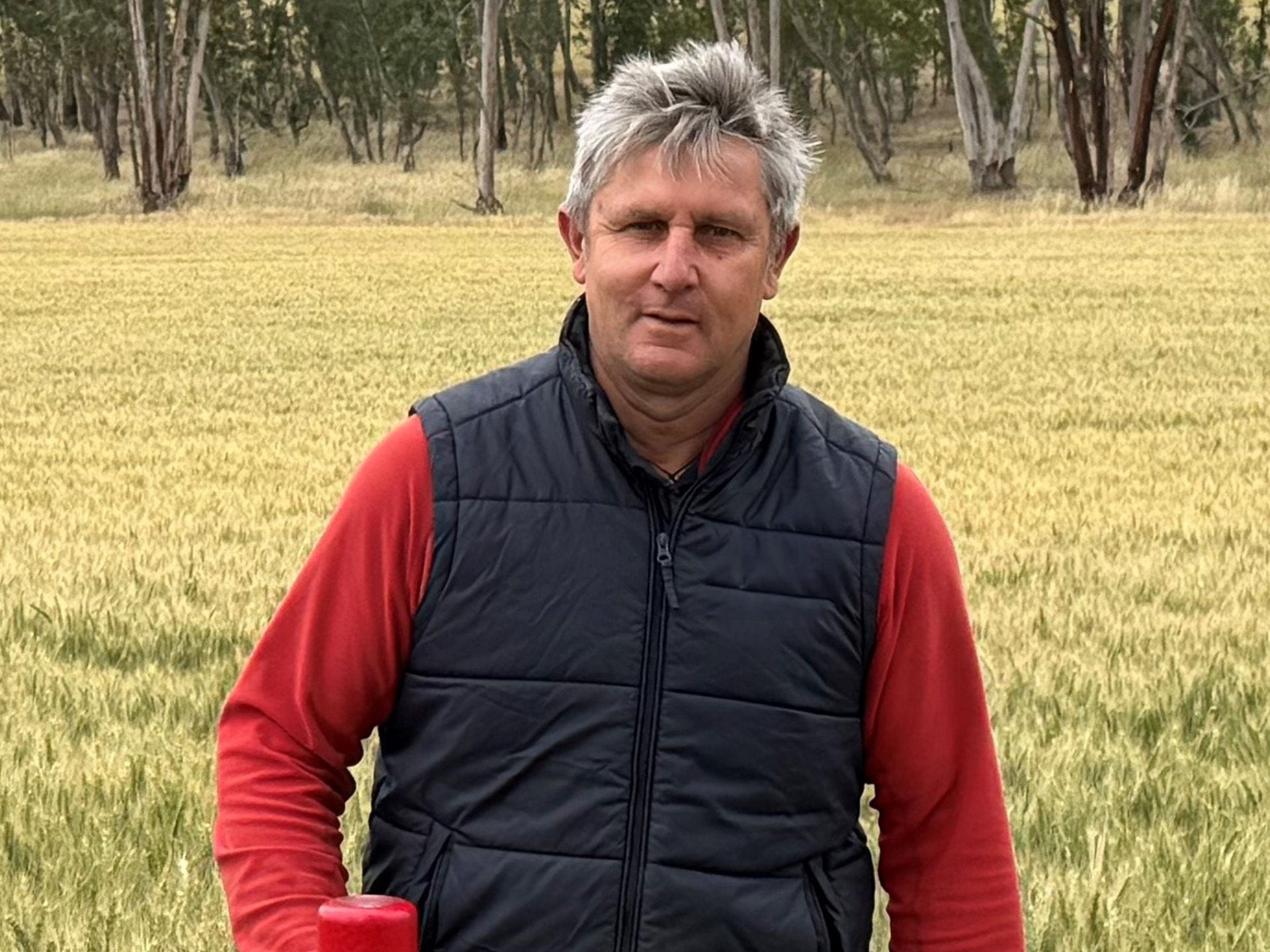
Associate Professor Luke Mosley

Director Acid Sulfate Soils Centre
Email: luke.mosley@adelaide.edu.au

Associate Professor Luke Mosley

Core members

  • Professor Rob Fitzpatrick – Deputy Director: Adelaide University
  • Dr Brett Thomas – Field Methods and Pedology: Senior Research Fellow, Adelaide University
  • Dr Emily Leyden –Hydrogeochemistry and Communications: Research Fellow, Adelaide University
  • Dr Erinne Stirling – Soil Biology Research: Research Fellow, Adelaide University
  • Chris Auricht – Remote Sensing and Data Management: Auricht Projects Pty Ltd and Affiliate of Adelaide University
  • Dr John Hutson – Soil-water modelling: Flinders University, Adelaide
  • Steve Marvanek - Atlas of Australian Acid Sulfate Soils and Metadata: CSIRO Environment, Adelaide
  • Dr Rong Fan -Mineralogy: Team Leader, CSIRO Mineral Resources, Adelaide

Australian network members

  • A/Prof. Vanessa Wong – Soil carbon: Soil and Land Management, Monash University, Melbourne, Victoria
  • Prof Ed Burton – Synchrotron Science: Leader Environmental Geochemistry & Mineralogy group Southern Cross University
  • Dr Graham Lancaster – Laboratory Methods: Manager, Environmental Analysis Laboratory, Southern Cross Uni, Lismore
  • Dr Jason Reynolds - Peats and Microbiology: Western Sydney University, Sydney
  • Dr Brad Degens – Soil biochemistry: Senior Soil and Water Scientist, Dept of Water & Environmental Regulation, WA
  • Dr Gerard Grealish – Pedology: Principal Research Scientist, CSIRO Environment, Perth Western Australia
  • Georgia Reed – Curator CSIRO Australian National Soil Archive, CSIRO Environment, Canberra
  • Bernie Powell – Soil Classification: Consultant Queensland, Brisbane
  • Dr Stuart Simpson – Water Quality Senior Principal Research Scientist: CSIRO Environment, Brisbane
  • Em Prof Leigh Sullivan – Co-ordinator Registered Soil Practitioners Acid Sulfate Soil; University of Canberra

International network members

  • A/Prof. Anton Boman – Soil Survey and Pedology, Senior Scientist Geological Survey of Finland (GTK), Finland
  • Dr Gustav Sohlenius – Soil Survey and Pedology; Geological Survey of Sweden, Uppsala, Sweden
  • Dr Angelika Koelbl – Soil Organic Matter: Bavarian Forest National Park: Grafenau, Bavaria, Germany
  • Prof. Mats Åström – Water geochemistry: Dept of Biology & Environmental Science; Linnaeus University, Sweden
  • Dr Freeman Cook – Soil-water modelling: Freeman Cook & Associates Pty Ltd, New Zealand)
  • Prof. Martin Rabenhorst – Soil Classification: University of Maryland, USA
  • Dr Sarah Conrad – Stable isotope systems: Applied Geochemistry, Lulea University of Technology, Lulea, Sweden
  • Prof Peter Österholm – Geochemistry; Geology and Mineralogy, Åbo Akademi University, Finland
  • Dr Wirastuti Widyatmanti - Laboratory of Remote Sensing, Faculty of Geography, Universitas Gadjah Mada, Indonesia.
  • Prof. David Dent – Soil Geography and Climate change: United Kingdom

Patron

  • Dr Delvin Fanning, University of Maryland, USA

The ASSC combines its scientific expertise and practical experience of assessing and managing acid sulfate soil issues with the additional expertise of scientists and managers at universities, Federal (e.g. CSIRO and its soil archive, MDBA) and State (e.g. EPA, DEW, Limestone Coast Landscape Board) government organisations within Australia and overseas (e.g. USA, Finland, Sweden, China, Indonesia, Vietnam, Brunei, Kuwait and Iraq).

The ASSC continues to:

  • Provide and enhance in-depth understanding of properties and processes in inland and coastal ASS in natural and managed wetlands across a range of climatic conditions and scales:
    • landscapes (kilometres),
    • local (metres to kilometres),
    • micro (millimetres to micrometres).
  • Develop amelioration strategies that minimise the impact of acid sulfate soils and acid mine drainage in natural and managed environments.
  • Lead development of guidelines and policies relating to management of acid sulfate soils and their risks.
  • Develop and maintain databases, maps and reference collections on acid sulfate soils (e.g. continuing to lead the Atlas of Australian ASS project and sub-committee under the auspices of the National Committee for Acid Sulfate Soils).
  • Development of a guide to acid sulfate soil features for sampling in mineral exploration.

Contact us

Acid Sulfate Soils Centre

Enquiries should be directed to Professor Robert Fitzpatrick or Associate Professor Luke Mosley.

Location

Location
Acid Sulfate Soils Centre
Adelaide University
City Campus, Adelaide SA 5000

Email

Email: robert.fitzpatrick@adelaide.edu.au or luke.mosley.adelaide.edu.au