Waite Historic Precinct

waite historic precinct

Located on the Adelaide University Waite Campus, the Waite Historic Precinct sits on land bequeathed by Peter Waite to our foundational University of Adelaide in 1914.

The Waite Historic Precinct incorporates the internationally renowned Waite Arboretum, Waite Conservation Reserve and the Urrbrae House Historic Precinct.

Key areas of focus

  1. Urrbrae House Historic Precinct
    An accredited museum and one of South Australia's most historically significant houses.
  2. Urrbrae House Gardens
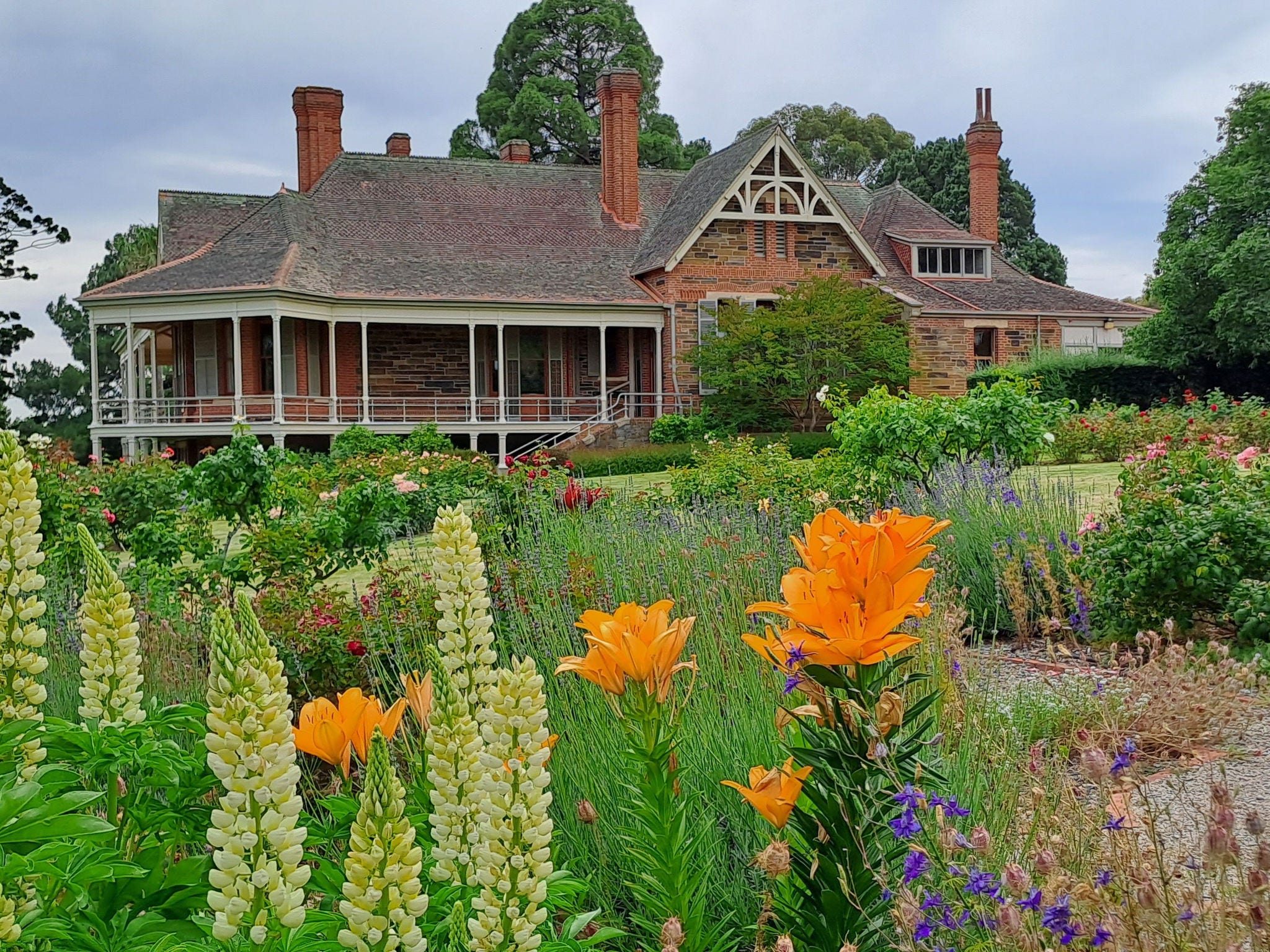
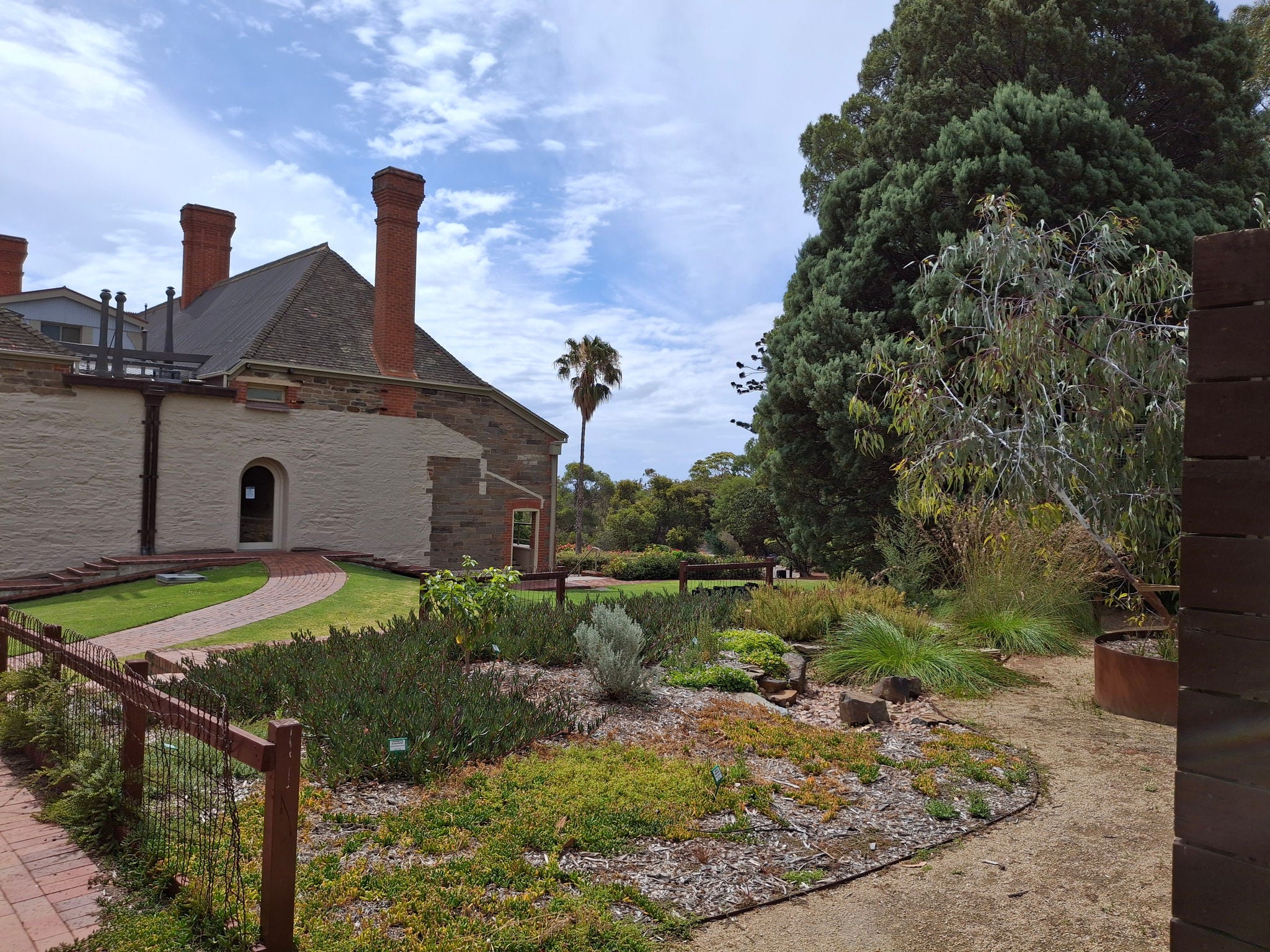
    Surrounding Urrbrae House, the gardens incorporate the 20th Century Rose Garden, the Sensory Garden, Coach House Garden, Garden of Discovery and our First Nations Food Garden.
  3. The Waite Arboretum
    Occupying 25 hectares and containing more than 2,300 trees all growing under natural rainfall.
  4. The Waite Conservation Reserve
    Located in the Adelaide Hills Face Zone, the reserve comprises 121 hectares, of which 110 hectares are under Heritage Agreement. 
  5. Visitor information
    Useful information for visitors to Waite Arboretum, Waite Conservation Reserve and the Urrbrae House Historic Precinct.
  6. What’s On
    Find out what’s on at the Waite Historic Precinct.
  7. Get involved
    Become a part of the Waite Historic Precinct community and join us as a volunteer.
  8. Contact us
    For general enquiries.

Visitor information

Useful information for visitors to Waite Arboretum, Waite Conservation Reserve and the Urrbrae House Historic Precinct.

Please see What's On for opening times, upcoming events and tours.

Please note that Urrbrae House may be closed to the public on occasions for University activities.

The house and gardens may be closed on days of extreme heat and/or fire danger. Check our What's On page for relevant updates.

Engage with us

For general enquiries about Urrbrae House, Waite Arboretum, Urrbrae House Gardens or Waite Conservation Reserve 

How to get there? 

The Waite Historic Precinct is situated on Adelaide University Waite Campus, about 20 minutes’ drive from the Adelaide city centre. The nearest main intersection is the junction of Cross Road and Fullarton Road, Urrbrae.

Access to the Waite Conservation Reserve in the Adelaide Hills from the campus is via Hartley Grove Road.

Urrbrae House and Gardens, Waite Arboretum


The drive up to Urrbrae House and the Arboretum is marked by a Tourism Heritage sign on Fullarton Road.

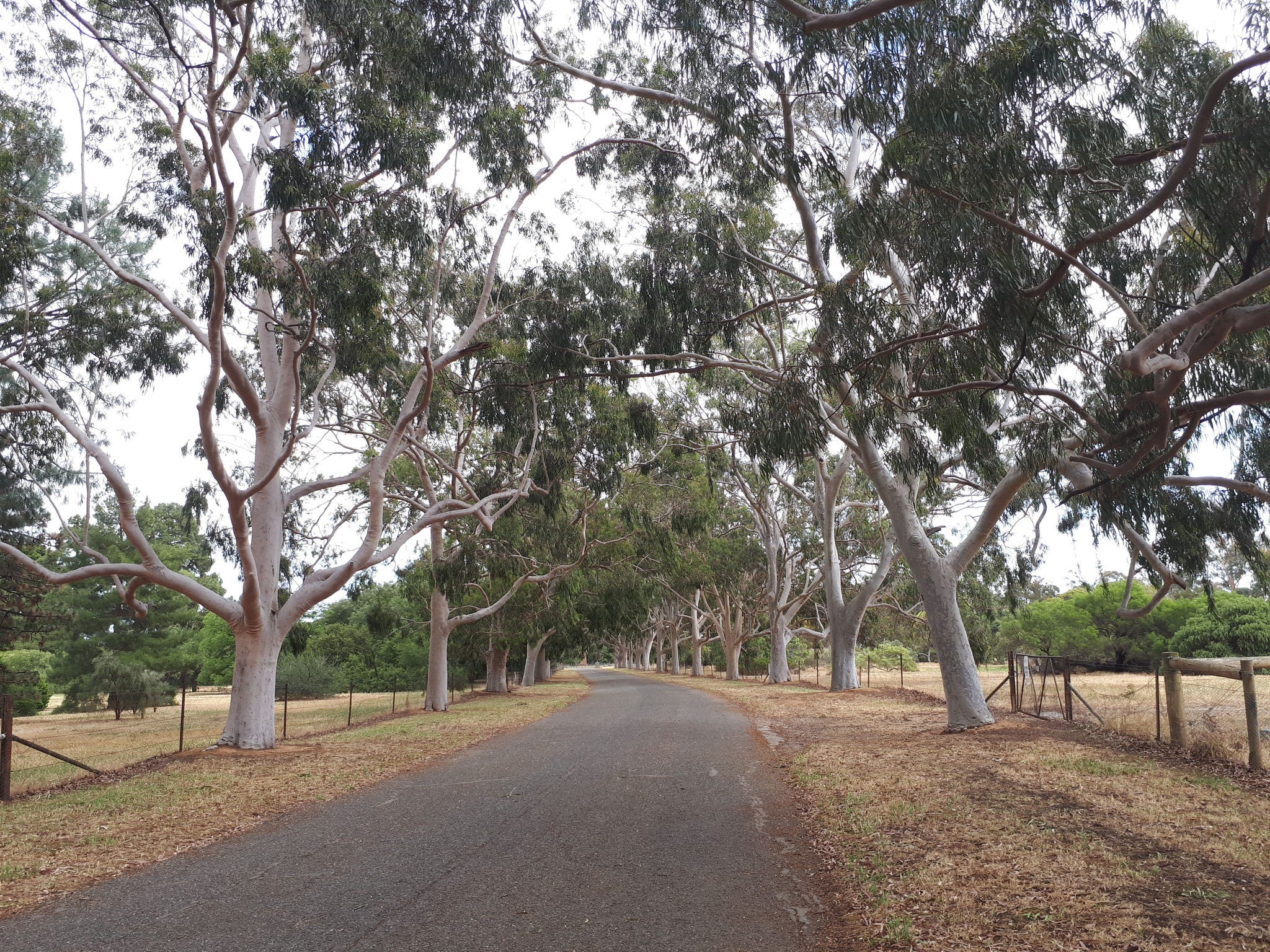
Entry is via the gate on Fullarton Road. If you are heading south, it is the first turn on your left after Cross Road. Follow the 800 metre, eucalypt-lined driveway (Walter Young Avenue) to the free public carpark on your left as you near the House. Please note that the car park is not paved. Alternatively, parking is permitted on the verge on Walter Young Avenue adjacent to the Waite Arboretum.

The gate on Fullarton Road is locked at sunset, unless prior arrangements for extended public access during special events have been made by Urrbrae House staff with on-campus Security.

Accessible parking is also available at the rear of Urrbrae House, enter the Waite Campus, off Gate 3 from Waite Road, Urrbrae.

The below should be used as a guide only, please check the Adelaide Metro website for accurate details (links below). Two bus routes operate to the Waite Campus.

Bus Route 170, Monday to Friday only, stop 23 (final stop on route) on Waite Road 

Enter Gate 3 and walk west for a minute or two which will take you to the rear of Urrbrae House and the 20th Century Rose Garden.

Please consult the 170 Timetable for further information.

Bus route 171, stop 12 on Fullarton Road 

Walk up the long driveway. The walk can take 15 minutes or more, depending on your pace.

Consult the 171 Timetable for further information. 
 
Phone Urrbrae House on 8313 7497 or 8313 7110 or email for information and assistance. Please note that the gate on Fullarton Road is locked at sunset, unless prior arrangements for extended public access during special events have been made by Urrbrae House staff with on-campus Security.

Waite Conservation Reserve


Entry is via Waite Road then Hartley Grove Road. 
Drive to the end of Hartley Grove Road and continue past the end of the bitumen to a loop. 
Park on the verge. The walking track starts at the nearby walk-through.

Bus Route 170, Monday to Friday only, alight final stop on route (stop 23) on Waite Road 
Walk to Hartley Grove Road and continue east to end. The walking track commences at nearby walk-through.

Please consult the 170 Timetable for further information.

Please click here for Waite Conservation Reserve Access and Trails Map

Please phone Dr Kate Delaporte of the Waite Arboretum and Conservation Reserve on (08) 8313 7405 or email for information and assistance.


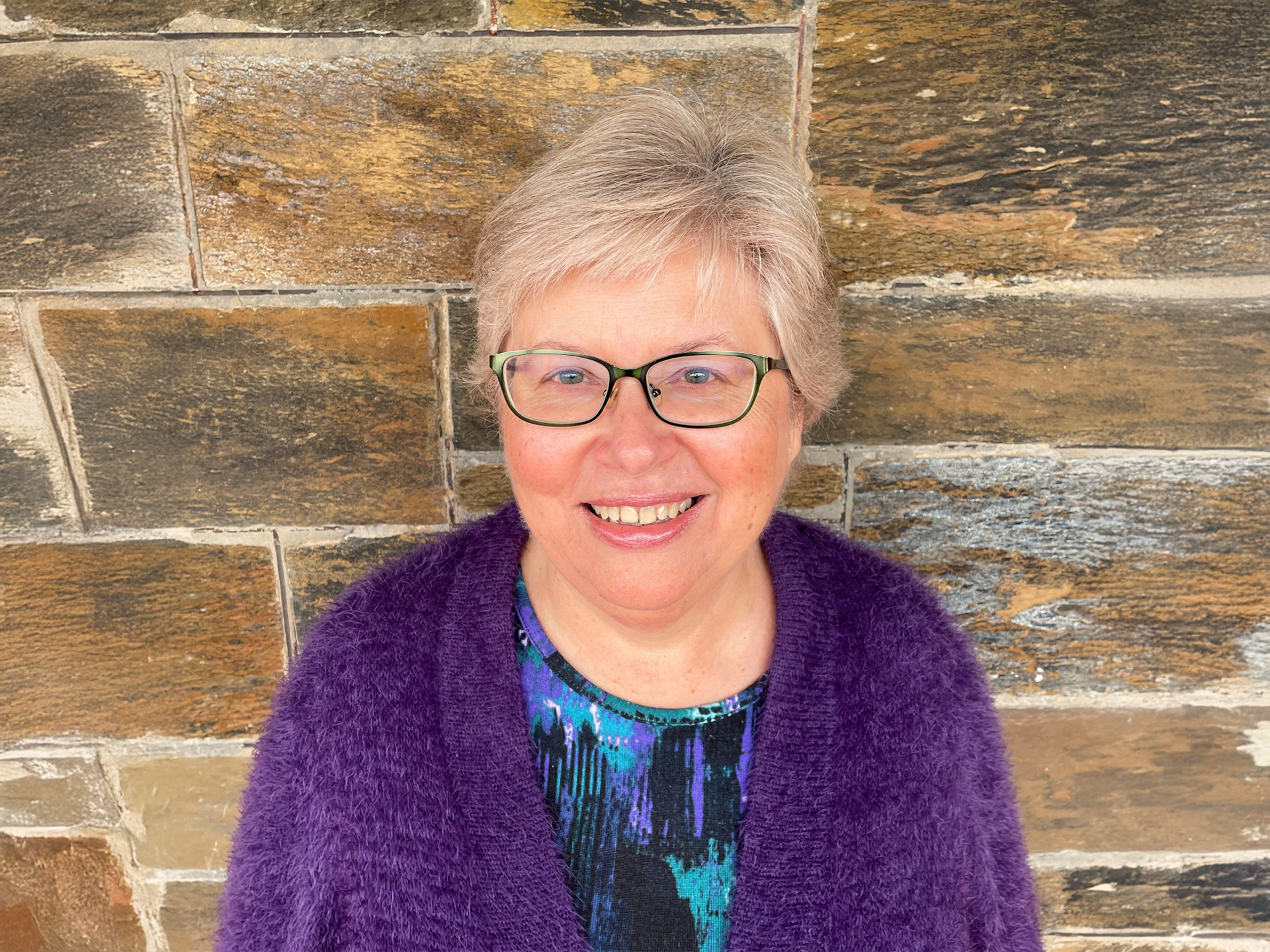
Lynette Zeitz

Manager, Urrbrae House Historic Precinct

Lynette manages the heritage buildings of the Urrbrae House Historic Precinct and is responsible for the museum’s collections and education programs. She is a social historian with a strong commitment to educational and community outreach. In addition, Lynette is the author of The Waite: a social and scientific history of the Waite Agricultural Research Institute (2014).

P: 8313 7425
E:lynette.zeitz@adelaide.edu.au

Lynette Zeitz

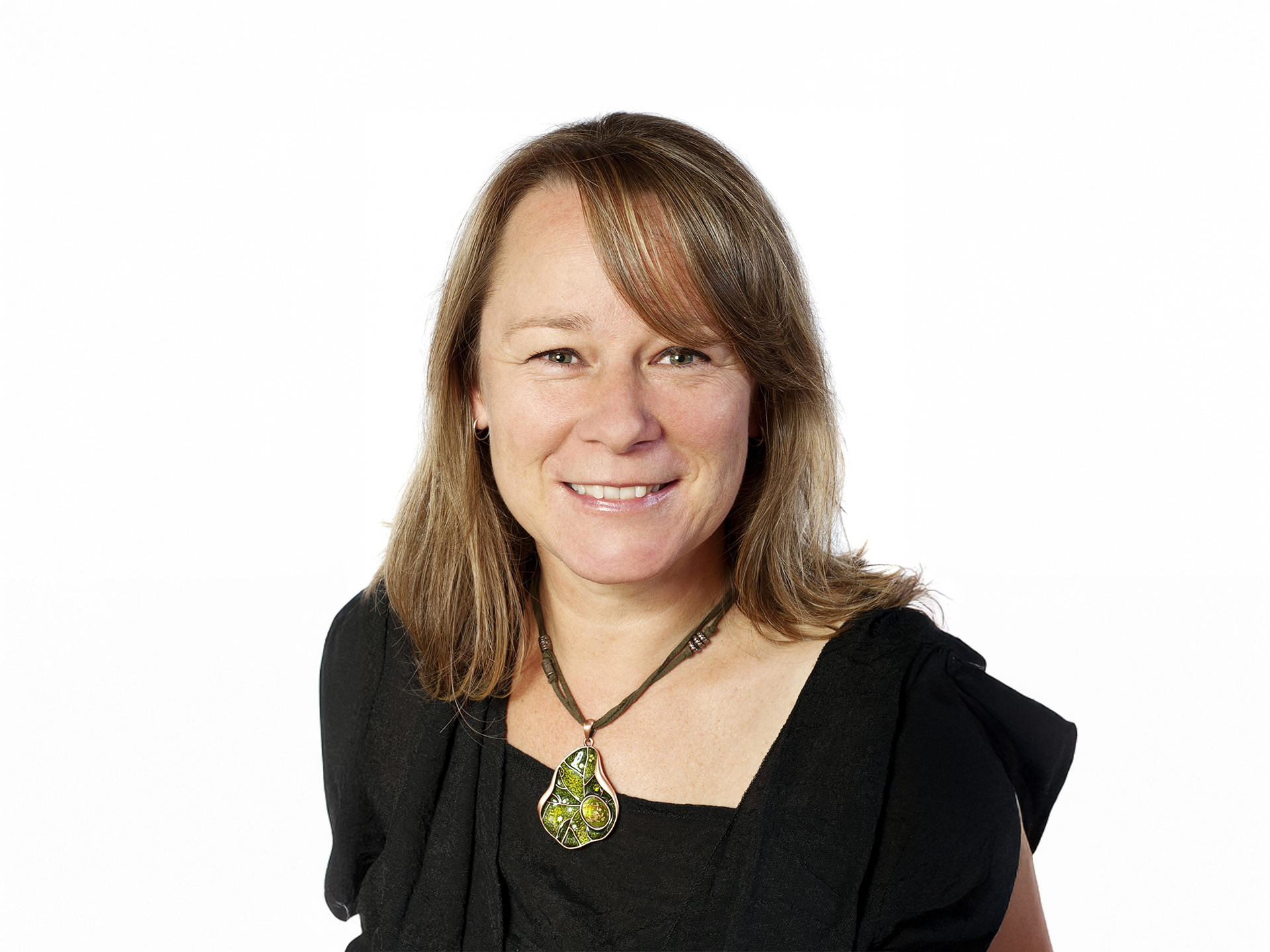
Kathryn Pearson

Co-ordinator, Urrbrae House

Kathryn works part-time and is in the office on Monday, Wednesday, Thursday, and on Tuesday mornings. Kathryn is responsible for volunteer and event coordination at Urrbrae House.

P: 8313 7497
E:kathryn.pearson@adelaide.edu.au

Kathryn Pearson

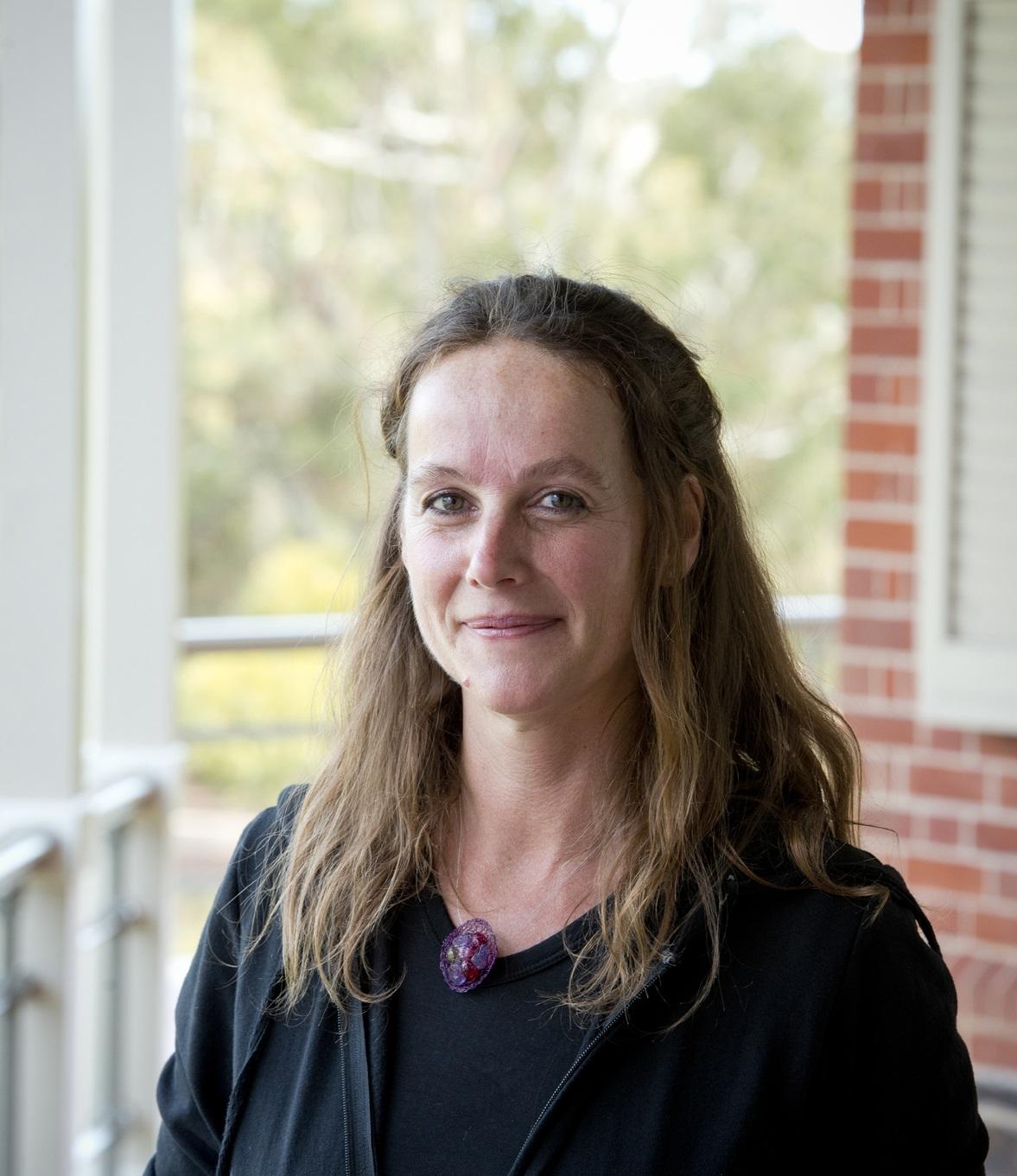
Dr Kate Delaporte

Curator, Waite Arboretum 

Manager, Waite Conservation Reserve

Dr Kate Delaporte is the Curator of the Waite Arboretum and Manager of the Waite Conservation Reserve.

Contact Kate
P: 83137405
E: kate.delaporte@adelaide.edu.au

P: 8313 7405
E: arboretum@adelaide.edu.au

Dr Kate Delaporte

Erica Boyle

Arboretum Officer, Waite Arboretum

Volunteer Coordinator, Waite Arboretum and Urrbrae House Gardens

Erica works from Monday to Friday providing administrative support to the Waite Arboretum and Urrbrae House Gardens. She is also the Waite Arboretum and Urrbrae House Gardens volunteer programs coordinator.

P: 8313 7405
E: erica.boyle@adelaide.edu.au


Erica Boyle

Access and safety

Urrbrae House: Please note that when visiting Urrbrae House you are entering a building constructed in 1891 as a family home. The original balustrades (railings) around the outside verandahs and the inside Main Hall stairs are much lower than those in more recent buildings. Please take care not to lean on or over the balustrades.

Children are most welcome visitors to Urrbrae House but, for their safety, we ask that young visitors be always supervised by an accompanying adult.

Due to the original construction of Urrbrae House as a family residence, visitors who use wheelchairs and other mobility assistance can access the top floor of the building only. This includes the following rooms: Main Hall, Drawing Room, Arboretum Exhibition Room, Dining Room, Peter Waite Exhibition Room, Servery and Butler’s Pantry.

Accessible parking is available at the rear of Urrbrae House with entry via the Waite Campus, off Gate 3 from Waite Road, Urrbrae. For those using wheelchairs and other mobility devices such as walkers, access to the Urrbrae House is via the eastern glass door of the building which is adjacent to the accessible parking area.

Gardens: The Sensory Garden is wheelchair accessible and there are paved pathways throughout other sections of the gardens.


Children's activities

Our Photo Scavenger Hunt sheet is a fun activity that encourages people to explore Urrbrae House and the adjacent gardens in one hour. It is designed for ages 5-99.

Explore the historic Arboretum. Download and print the WAWOT document, which marks the locations of various creatures. Can you identify them all? Begin your self-guided wildlife discovery tour of the Waite Arboretum!


Cooling and heating

Please note that Urrbrae House is not air-conditioned, and in summer cooling is provided by fans only. Visitors are asked to note that the building does not have central heating in winter.


Ceremonies, weddings and funerals

Regretfully we are unable to accommodate wedding ceremonies, wedding receptions or funerals at Urrbrae House and gardens.


Dogs

Visitors are welcome to walk their dogs on a lead in the Urrbrae House Gardens and along Walter Young Avenue. To protect the native fauna and precious plants, no dogs are allowed in the Waite Arboretum and Waite Conservation Reserve (guide and assistance dogs excepted).


Food and refreshments

The general public is welcome at the on-campus cafe. Meals and light refreshments are available in the adjacent Beltana Cafe at Lirra Lirra on Waite Road during business hours Monday-Friday. 


Mushrooms

Autumn brings outbreaks of Deathcap mushrooms in the Waite Arboretum. Ingestion of even a small amount of the mushroom will cause serious illness and may be fatal. You are advised not to pick or eat any wild mushrooms from the Waite Campus as poisonous mushrooms may resemble edible ones. Information about Deathcap mushrooms can be found on the Australian National Botanical Gardens website.


No smoking

All of the Adelaide University campuses are smoke-free, inside and out. Therefore, smoking is not permitted in Urrbrae House, the gardens, the Waite Arboretum or in carparks on the Waite Campus.


On-campus security and emergency assistance

Assistance is available 24/7 from Waite Campus Security by phoning 8313 7200. An emergency black phone is located in the rear porch of Urrbrae House: to contact Security simply lift the handpiece. No dialling is needed.


Outdoor conditions

In summer, the average maximum daily temperature is about 27°C, but there are often days of high 30s, so a hat and sunscreen are essential. Covered shoes are recommended when walking in the Arboretum and Waite Conservation Reserve. On Catastrophic Fire Danger days (declared for Adelaide Metropolitan and/or Mount Lofty Ranges) the Waite Arboretum, Urrbrae House Gardens and the Conservation Reserve are all closed. Please check the South Australian Country Fire Service website

In winter, the ground can be wet underfoot and boots or sturdy shoes are recommended.


Parking

On-site car parking for visitors is available in the Urrbrae House Visitors' car park at the end of Walter Young Avenue near the house. Please note that the car park is not paved. Should the car park be full, parking is permitted on the verge on Walter Young Avenue adjacent the Waite Arboretum. After hours, including on weekends, parking may also be available in the car park adjacent the Woolhouse Library. Enter via the Waite Campus, off Gate 3 from Waite Road, Urrbrae.

Accessible parking is available at the rear of Urrbrae House, with entry via the Waite Campus, off Gate 3 from Waite Road, Urrbrae.


Photography

Recreational, student and not-for-profit photography of Urrbrae House and the Gardens is encouraged. If photographing inside Urrbrae House, please do not use a flash as the light may damage more delicate items such as books and artworks.

However, where the photographer/filmmaker intends to make a profit from a photoshoot (i.e. commercial photography) permission must be sought and charges may apply.

Please contact Urrbrae House for more details: urrbraehouse@adelaide.edu.au or telephone 8313 7497 or 8313 7110.


Photography (drone)

We understand that keen photographers may be interested in taking aerial shots of Urrbrae House, gardens, and the Waite Arboretum. However, the use of drones poses a safety risk on campus and Adelaide University has a primary obligation to ensure the safety of staff, students and the general public using University spaces. So we ask all photographers to note that flying any type of drone on campus is prohibited unless the activity is approved by the Uncrewed Research Aircraft Facility (URAF) or "Drone Hub" of Adelaide University for permission. To obtain permission to use drone photography on campus, please email the URAF with details of the proposed drone photoshoot to uraf@adelaide.edu.au. More information about the URAF.


Toilets

Toilets are located in the Urrbrae House Gardens at the rear of the house for visitors to the house, gardens and Waite Arboretum. There are no toilet facilities in the Waite Conservation Reserve.


Water

A drinking fountain is located next to the toilet block in the garden, on the southern side of Urrbrae House, and in the arboretum, on the northeast side of the Gatehouse.

 Explore our campus

The Urrbrae House Historic Precinct is situated on the land of the Kaurna Meyunna, the Kaurna People, the original custodians of the Adelaide Plains. We acknowledge and respect their cultural heritage, beliefs and enduring relationship with the land.

In 1914 Peter Waite bequeathed the Urrbrae estate including his family home to the University of Adelaide. Today, the Urrbrae House Historic Precinct is part of the Waite Campus of the University and is also an accredited museum by the History Trust of South Australia. The Precinct promotes the history of the Waite Campus and is committed to community engagement.

About the Urrbrae House Historic Precinct


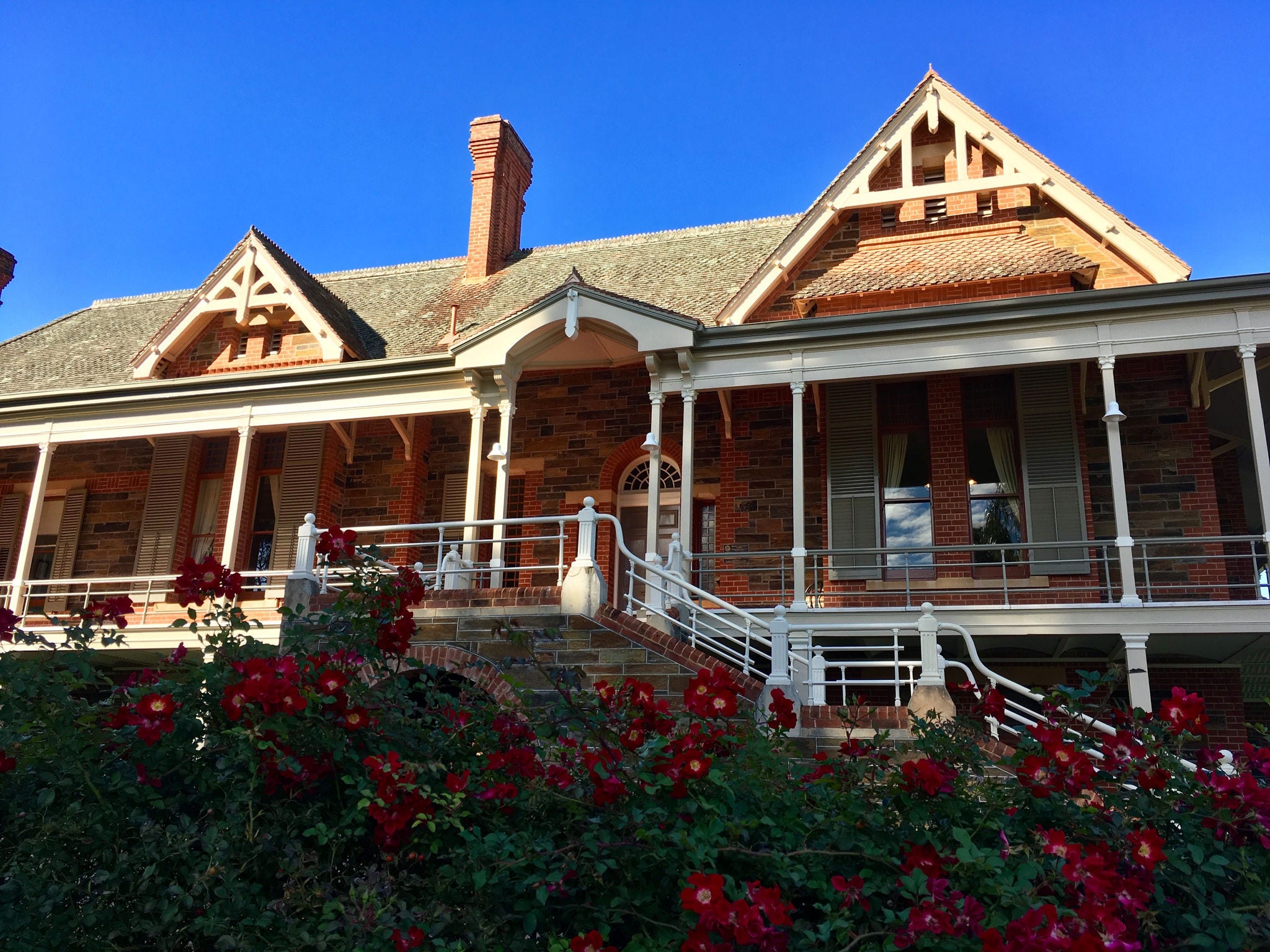
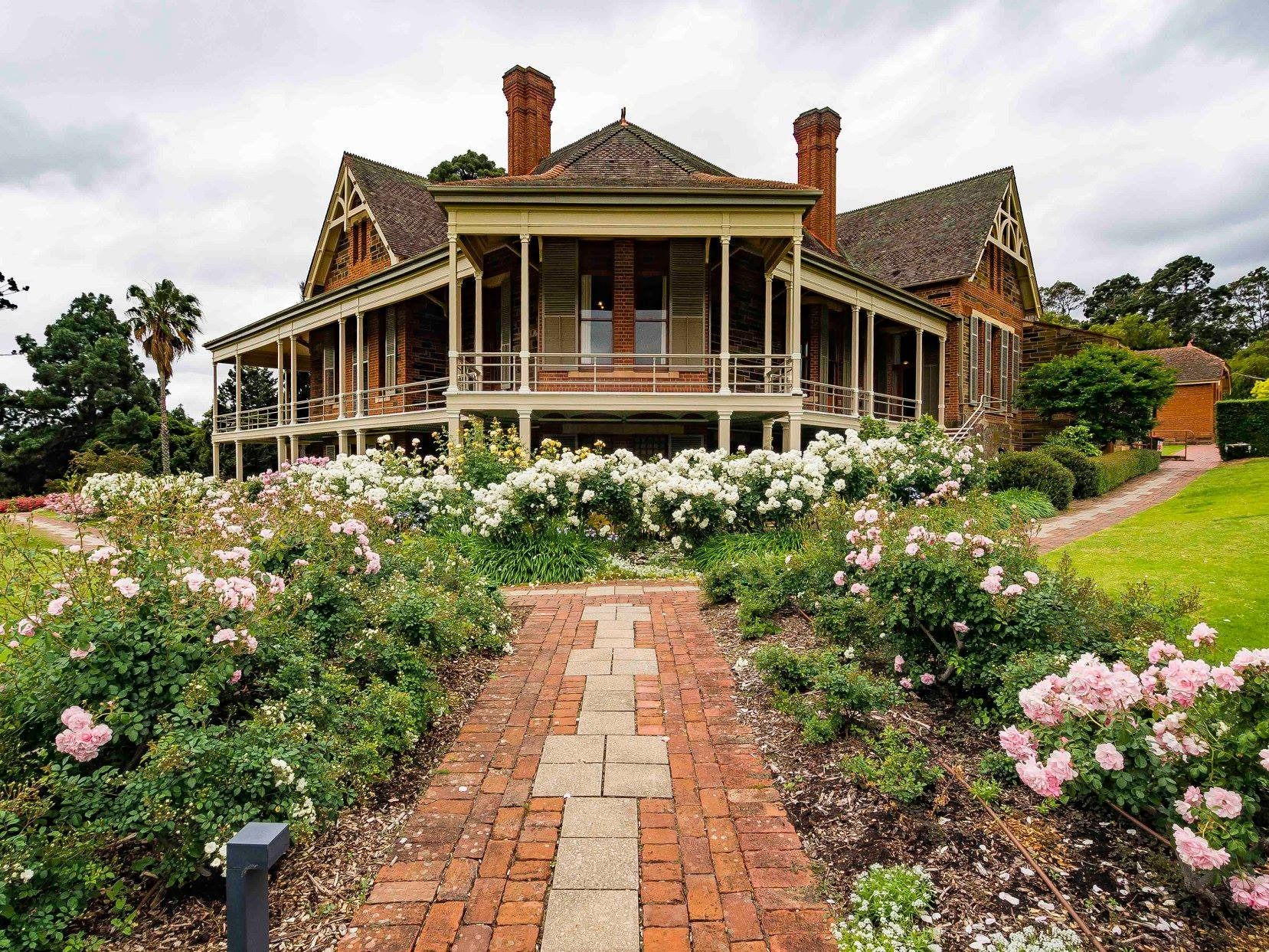
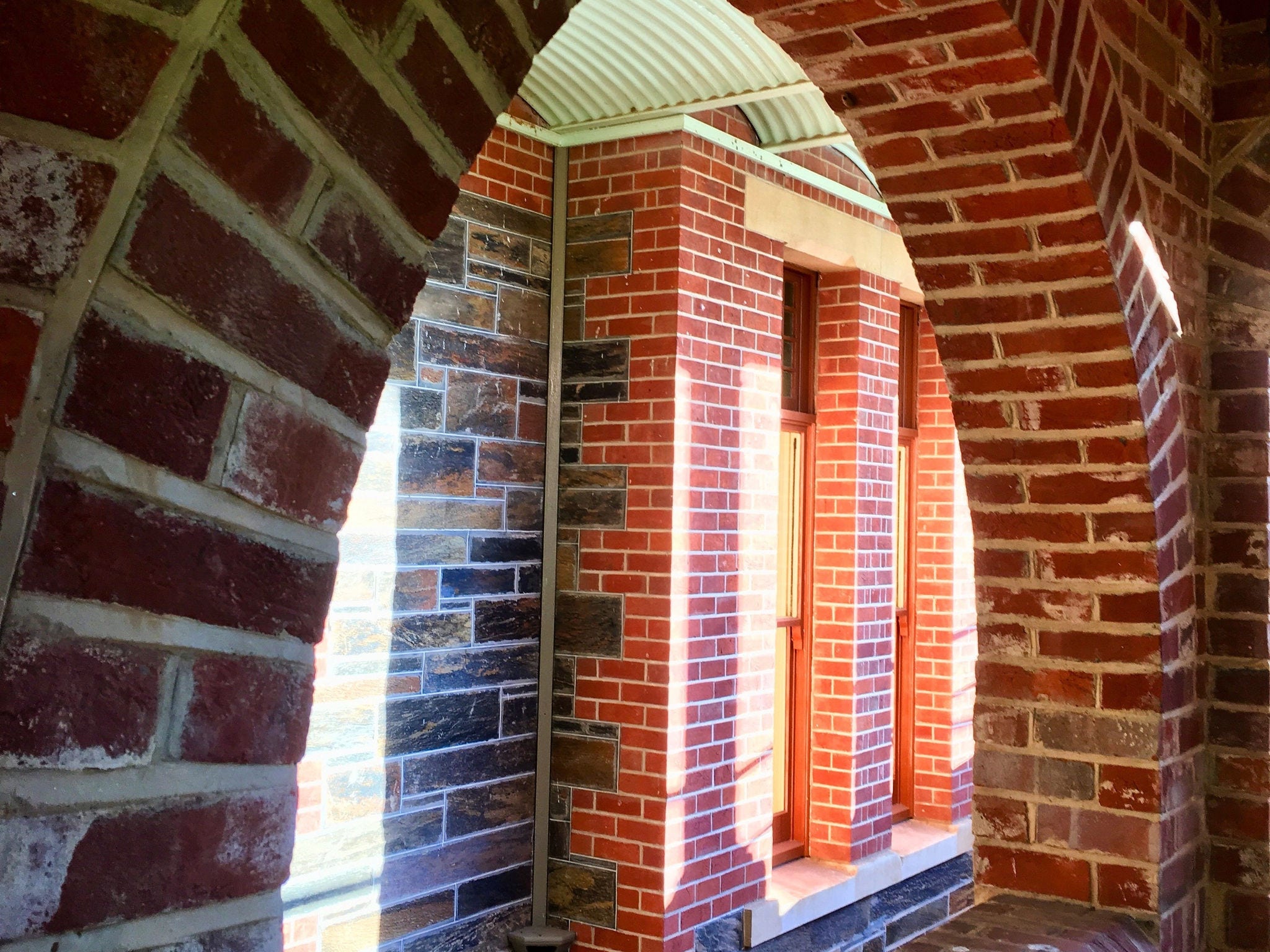
Urrbrae House is a beautiful two-storey bluestone mansion, completed in 1891 as the home of Peter and Matilda Waite.

It replaced a large single-storey house believed to have been constructed about 1850 by Robert Forsyth Macgeorge.

"Urrbrae" was the name given by Macgeorge to land he bought in 1846 in the foothills south of the city of Adelaide: "Urr" after his home parish in Scotland and "brae" denoting a slope or hillside especially near a creek or river. The land on which the estate was based has remained unsubdivided since 1839.

Peter Waite acquired the Urrbrae estate in the mid 1870s with the assistance of Thomas Elder.  Waite and his family moved into the existing Urrbrae House in March 1877.

The new Urrbrae House was designed by C. H. Marryat and E. J. Woods, built by Nicholas W. Trudgen and the interior decorations were designed by Aldam Heaton, a contemporary of William Morris. After the death of its founder in 1897, Aldam Heaton & Co. would go on to design much of the interior of the Titanic. Urrbrae House was his only commission in Australia.

Urrbrae House was the Waite family home until the deaths of Peter and Matilda in 1922.  It was subsequently handed over to the foundational University of Adelaide by their daughters, Lily and Eva Waite in February 1923. From which time the house has been used for many purposes.

From 1924 until the end of 1973, Urrbrae House was the residence of Directors of the Waite Agricultural Research Institute and their families. In the first years of the Waite Institute's existence Urrbrae House also accommodated the administrative offices, the library and a laboratory of the fledgling Institute until 1929.

In the late 1960s the Waite Director, Dr James (Jim) Melville suggested that part of the house might be used for the benefit of the staff and students of the Institute. Through the 1970s and 1980s Urrbrae House was the home of the Waite Staff Club and the Waite Refectory/Cafeteria.

During the 1990s Urrbrae House and its gardens underwent a major revitalisation as its heritage value and its potential as a focus for cultural and social activities for the on-campus community and the general public were recognised by then Director, Professor Harold Woolhouse.

Today, Urrbrae House is an accredited museum, and the historic and cultural heart of Adelaide University Waite Campus.

Waite history
Waite history
Waite history

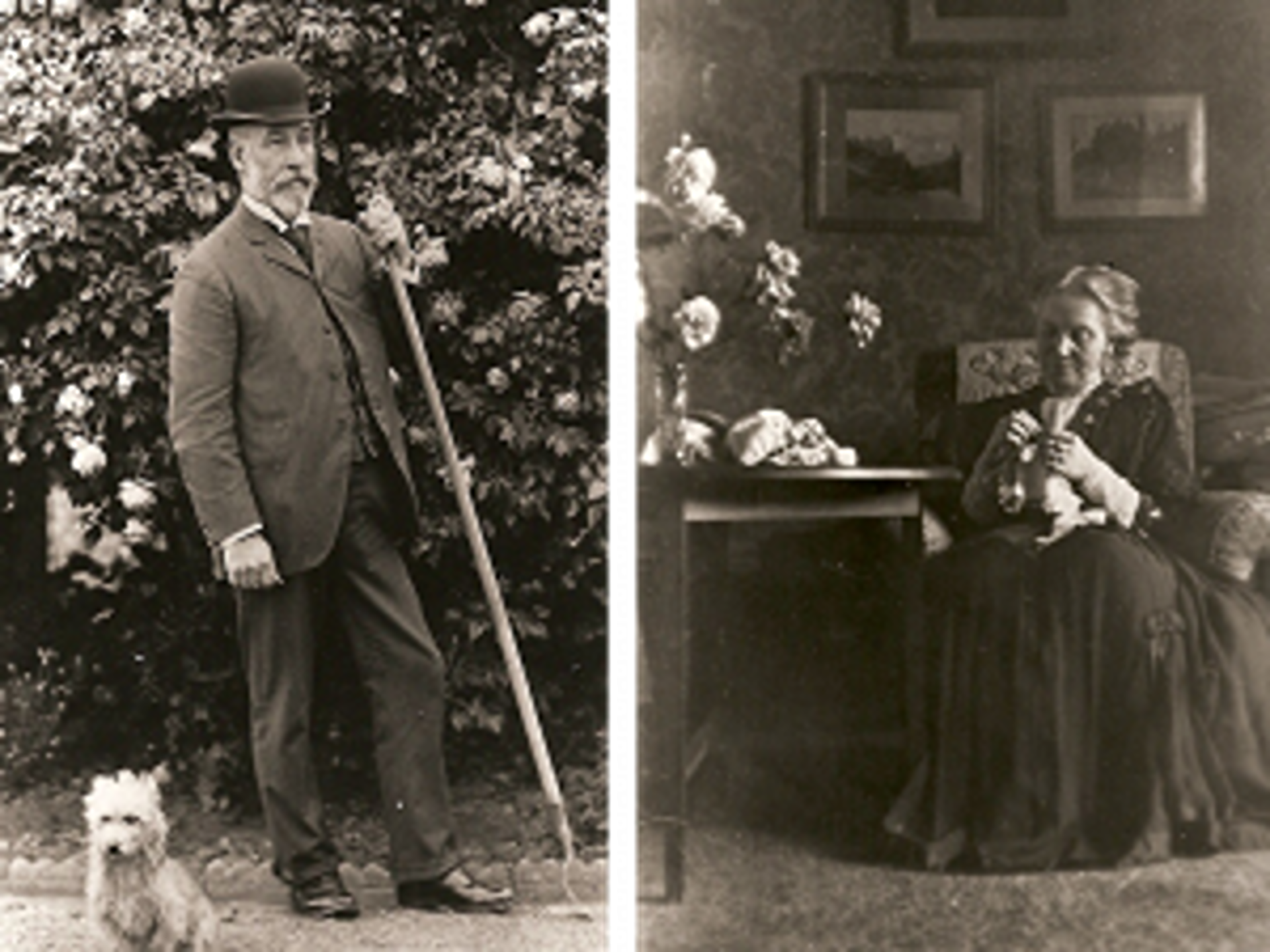
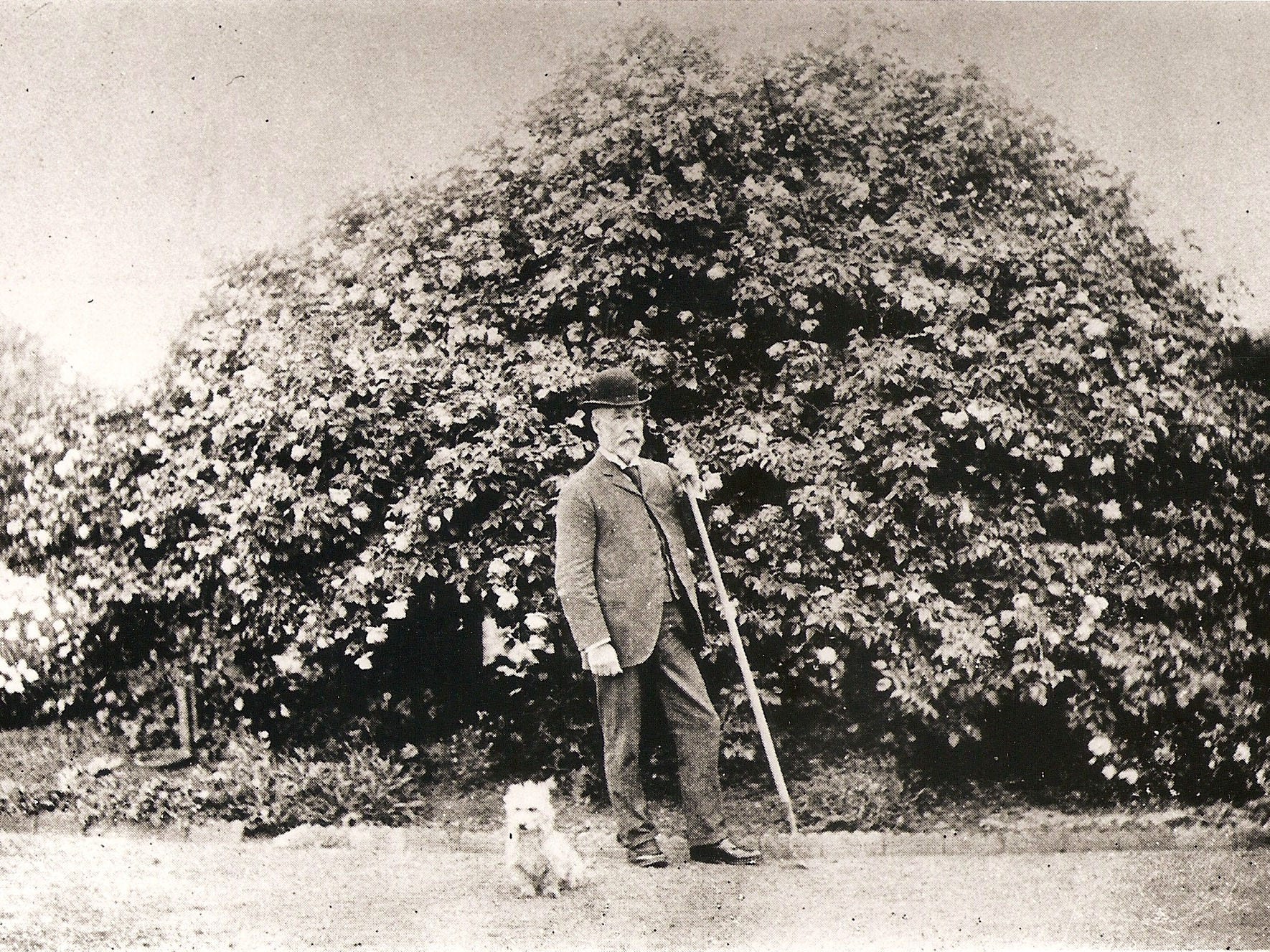
Peter Waite 1834 – 1922

Family background

Peter Waite was born in Kirkcaldy, Scotland in 1834, the third son of James and Elizabeth Waite.

His father died in the same year as a result of a fall from a horse leaving his mother to carry on the modest family farm, Pitcairn, and raise their children, James (5), David (3), and Peter (5 months). Peter undertook an apprenticeship in ironmongery and worked in Edinburgh and Aberdeen.

In 1859 when he was 25 years old, Peter decided to join his brothers who had migrated to the Colony of South Australia. At the time he had been engaged for two years to his cousin Matilda Methuen and she agreed to wait until he was in a position to send for her.

It is likely the Waite brothers were influenced in their decision to migrate to South Australia by reports received through the family of merchant and shipowner, George Elder, also from Kirkcaldy. Elder’s sons had already established a successful family business in the new colony.

Arrival in South Australia

On arrival in Adelaide in 1859, Peter joined his brother James at ‘Pandappa’, a pastoral property near Terowie in the northeast of South Australia. Peter quickly adapted to the harsh conditions and in 1862 Thomas Elder offered him the lease of a nearby property, ‘Paratoo’. When James Waite was drowned in 1863, while crossing a flooded creek on horseback, Peter took over both stations.

By 1864, Peter had established himself as a pastoralist and property manager, and the ‘Paratoo’ homestead had been made comfortable. He was now in a position to send for his fiancée, Matilda. She sailed for South Australia on the maiden voyage of the ‘City of Adelaide’ and their marriage took place at Robert Barr Smith’s home at Woodville in November 1864. Then followed a long journey for the newlyweds to ‘Paratoo’ in horse drawn vehicles.

The property manager – coping with low rainfall land management

Peter Waite was innovative in his improvement and management of the semi-arid salt bush country. He set up fenced paddocks, imported 265 tons of fencing wire and designed a metal dropper to support the fences. He sank wells and bores, and experimented with the use of steam traction engines for the excavation of earth tanks known as dams. His aim was for each paddock to have as permanent a supply of water as possible with the sheep being rotated between paddocks. Peter was a strong advocate of “spelling”, where pastures were periodically “spelled” or protected from grazing to allow for their regeneration. It was estimated that by 1874, only 15 years after his arrival in the colony, he was overseeing a large area carrying 260,000 sheep.

In the 1860s and 1870s Thomas Elder, N. E. Phillipson and Peter Waite acquired further leases to the east and north of ‘Paratoo’, an area which was largely undeveloped at that time. The Beltana Pastoral Company, initiated in 1862 by Thomas Elder with Peter Waite supervising from 1869, ultimately comprised many runs stretching from the Flinders Ranges to the South Australia-Queensland border. The lease of ‘Mutooroo’ was acquired in 1868. After Sir Thomas Elder died in 1897, Robert Barr Smith became Chairman of the Board of Directors of the Beltana Pastoral Co. Ltd. and of the Mutooroo Pastoral Co. Ltd. Waite became the Managing Director of these companies, frequently visiting their landholdings to check on operations.

Peter Waite was a member and Vice-president of the Pastoralists Association of South Australia and West Darling, and the Federated Employers’ Council of South Australia. In 1875 he became Chairman of the Stockbreeders’ Association.

Purchase of the Urrbrae property and involvement with agri-business in Adelaide

By 1874 Peter Waite was a Justice of the Peace and resident magistrate at ‘Paratoo’. His career continued to expand rapidly on all fronts – financial, commercial, domestic and social.

While visiting Adelaide in the early 1870s Peter expressed interest in a 54-hectare property at Urrbrae. Thomas Elder undertook to help Peter acquire the property in 1875 with the understanding that Elder might agist his racehorses there. In 1875 the Waite family moved from ‘Paratoo’ to a rented residence at Glenelg before finally moving into Urrbrae House in 1877 on their return from an overseas visit.

In the late 1880s, a major reconstruction and enlargement of Urrbrae House was undertaken and when completed in 1891 it was one of Adelaide’s significant mansions. Peter took a great interest in the décor of the House employing Aldam Heaton from London to advise on the furnishings. Urrbrae House was the first home in Adelaide to have electrical light in 1891 and also a refrigeration system installed in 1895.

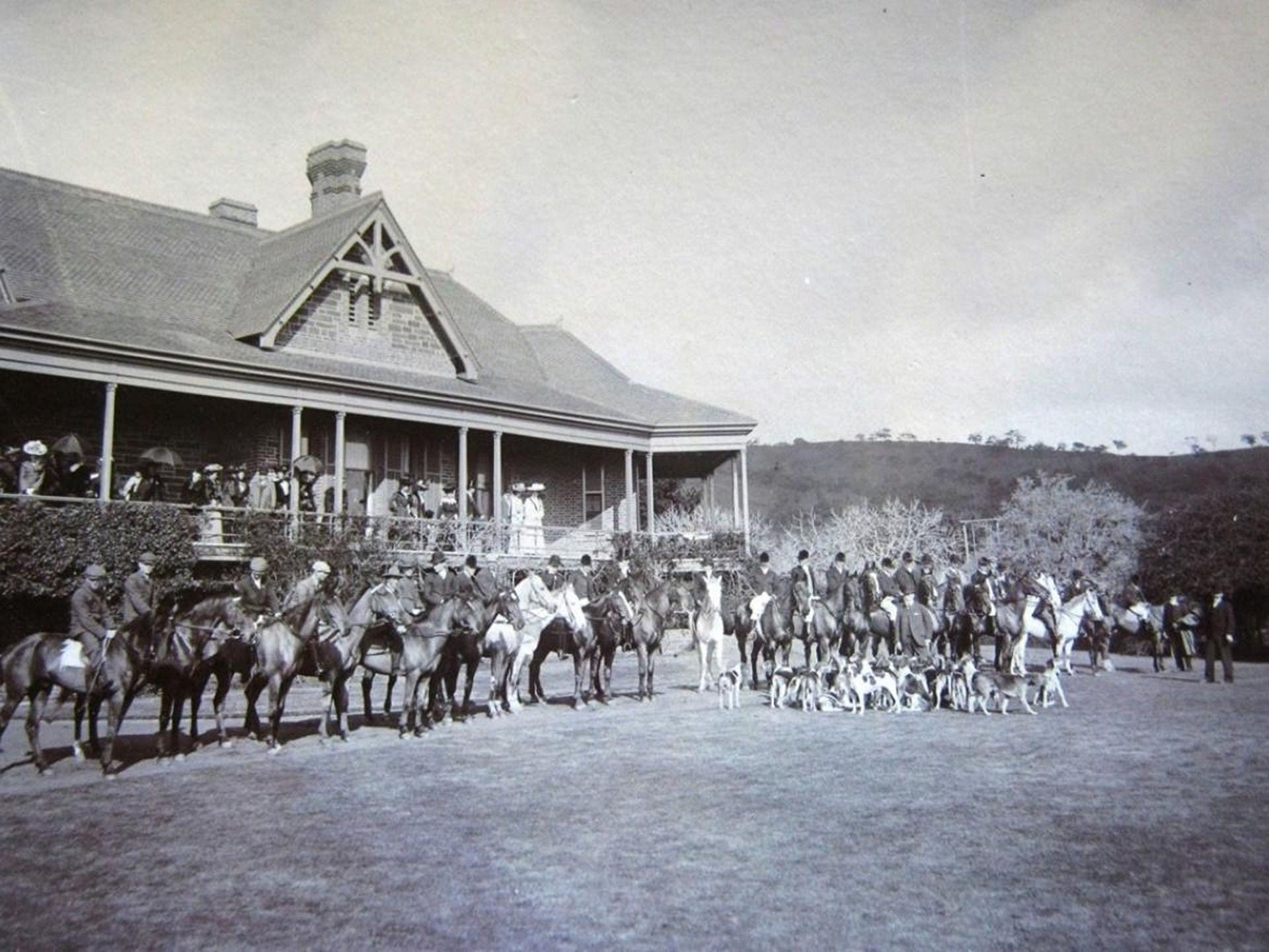
Peter Waite had an interest in the arts and made a collection of contemporary watercolours including some purchased in Rome as well as 31 paintings from Arthur Streeton. He was a member of the Adelaide Hunt Club and a hunting horn featured on the family crest. The motto on the crest, Fac et Spera, which loosely translates into ‘Do and Hope’, best represents his full and enthusiastic life.

Over the years Peter Waite became increasingly involved with the administration of Thomas Elder’s companies. In 1883 he became Chairman of Elders Wool and Produce Co. Ltd which controlled the auction side of the wool and produce business. When this merged with the parent company in 1888, it became Elder Smith & Co. Ltd. with Peter Waite as Chairman of Directors. Peter held this position for 33 years. He also had directorships in the Commercial Union Assurance Co. Ltd., the British Broken Hill Co. Ltd., and the SA Woollen Co. Ltd.

The eight children of Peter and Matilda Waite

Five children were born when Peter and Matilda were living at ‘Paratoo’ Station. The couple’s first child, Agnes, was born in 1866 in Burra. A son, James, was born in 1867 followed in 1869 by a second son, John who lived only for 12 days. Matilda then travelled to Glenelg for the births of Elizabeth in 1870 and Lily in 1873. After the family moved to Adelaide, David was born in 1875. A seventh child, Maud, was born in 1877 but lived only two months. The youngest daughter, Eva, was born in 1880. In 1879 Agnes died from complications following diphtheria.

Peter Waite’s eldest son, James, did not follow in his father’s pastoral footsteps but instead went to England in 1885 to train as an engineer where he subsequently developed a distinguished career. James married in England and had one daughter, Peter Waite’s only grandchild, Dorothy.Peter Waite’s third son David worked in the pastoral businesses in which his father was involved and was well known in both pastoral and social circles in South Australia. While travelling by ship to the United Kingdom via South Africa in May 1913 he disappeared overnight. This was a tragic event for the Waite family and especially for his 79-year-old father.

The Waite contribution to the future of South Australia

In October 1913 Peter Waite wrote to the Premier of South Australia, Hon. A. H. Peake, and the Chancellor of the foundational University of Adelaide, the Rt. Hon. Sir Samuel Way, informing them that subject to his own and his wife’s life interests, he intended presenting the Urrbrae property of 54 hectares to the University. The eastern half was to be used for scientific studies related to agriculture and the western half as a public park. He also intended handing over 45 hectares adjoining Urrbrae to the Government of South Australia for the purpose of establishing an agricultural high school. This statement of intent was subject to South Australian Parliament making the gifts free of succession duty.

In explaining his gift Peter Waite wrote:

“I have been much influenced by the wonderful work our agriculturalists and pastoralists have accomplished hitherto in face of the very great odds they have had to meet. With comparatively little scientific training they have placed our wheat, wool and fruits in the highest estimation of the world; our sheep have been brought to such perfection that they're sought after not only by all the sister States but by South Africa.

Our agricultural machinery has been found good enough even for the Americans to copy; and our farming methods have been accepted by other States as the most up-to date and practical for Australian conditions.

We have now reached a point when it behoves us to call science to our aid to a greater extent than hitherto has been done, otherwise we cannot hope to keep in the forefront.” Peter Waite.

In 1915 Peter Waite bought the Claremont Estate of 21 hectares and 45 hectares of the foothill part of the Netherby Estate, both of which adjoined Urrbrae, transferring their ownership to the foundational University of Adelaide. Before his death Peter set aside shares in Elder Smith & Co. Ltd. for the purpose of providing income to the University for the advancement of agricultural education.

Peter Waite was undoubtedly a generous man. His name could be found as a large contributor to public appeals in the later years of his life, for example to the Adelaide Children’s Hospital and the Presbyterian Girls School. Peter also paid for the bronze memorial to the members of the staff of Elders Smith & Co. who served in World War 1. He was one of South Australia’s most significant public benefactors.

Peter and Matilda Waite died in 1922 in their 88th and 86th years respectively. In early 1923 the Urrbrae property was handed over to the University which established the Waite Agricultural Research Institute in 1924 on the site.

Three daughters, Elizabeth, Lily and Eva, survived their parents. They, with their brother James, later made generous gifts to the foundational University of Adelaide to support the work of the Waite Agricultural Research Institute.

*References: 

Edgeloe, V. A. (1984) The Waite Agricultural Research Institute: The First Fifty Years, 1924-1974. Griffin Press. 
Findlay, Marjorie (1976) Australian Dictionary of Biography, Volume 6, pp. 336-337. Available online at http://adbonline.anu.edu.au/biogs/A060359b.htm  
Hogg, G. (1991; reprinted 2004) Peter Waite 1834-1922. The story of his life and times. Waite Agricultural Research Institute, University of Adelaide. 
Morgan, Sir Edward (1972) The Waites. Unpublished manuscript held in the Archives of the Urrbrae House Historic Precinct.

See inside the house via a few short videos with our historian and manager on our Youtube channel.

Upstairs rooms

The Mall

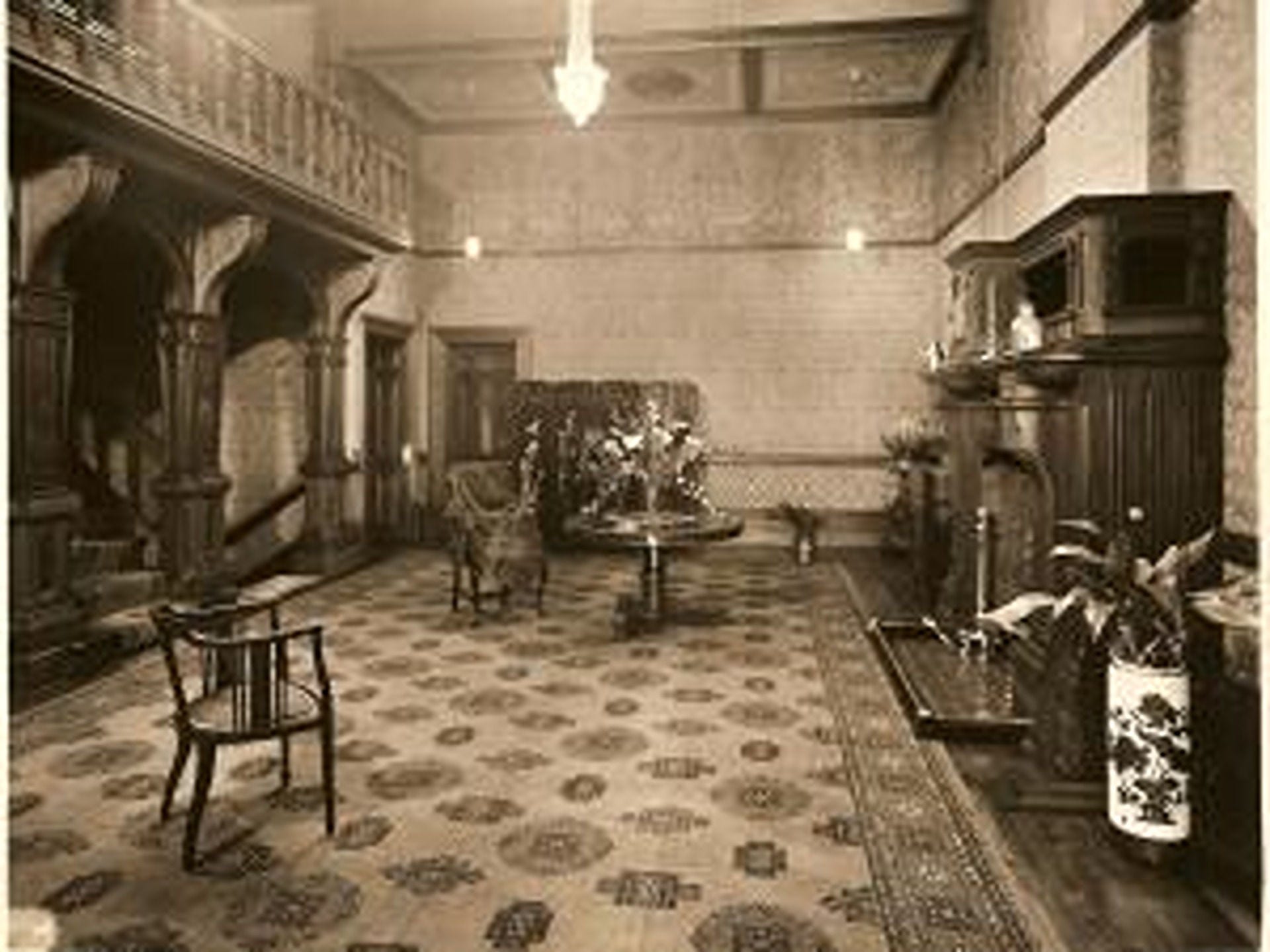
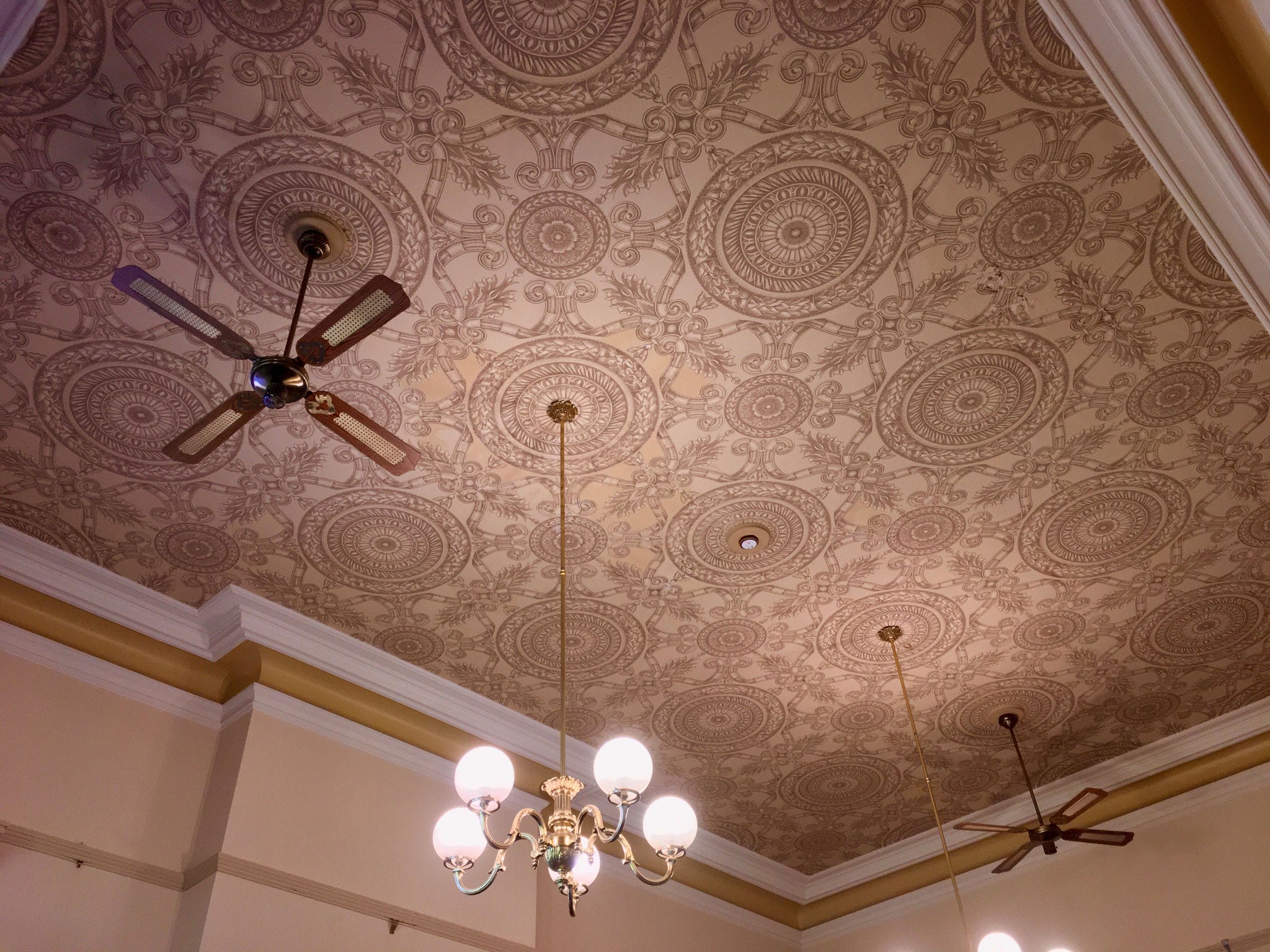
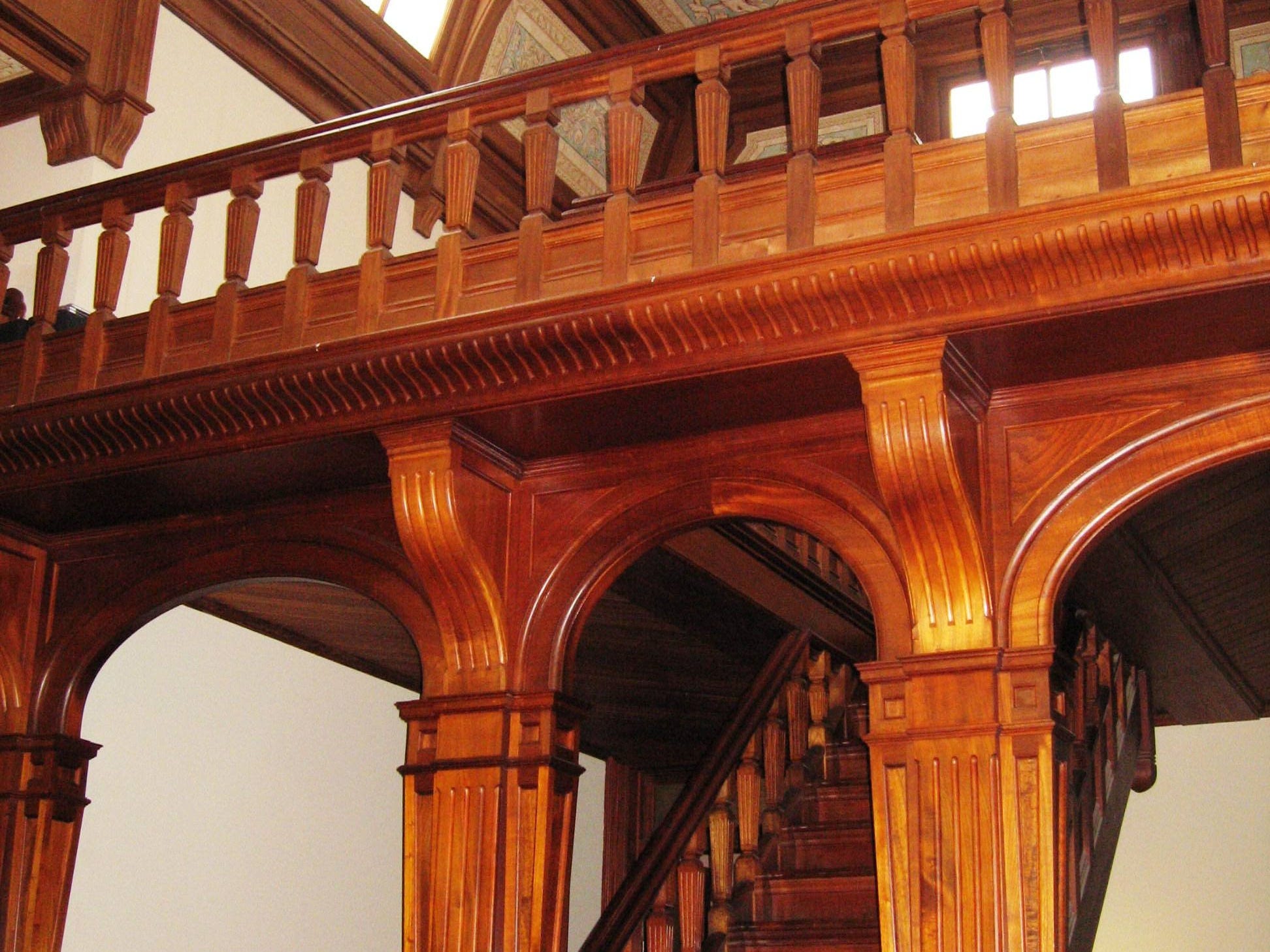
The Main Hall was the formal reception area of Urrbrae House.  The Hall features the original ceiling papers designed by English designer Aldam Heaton, and ornate woodwork in cedar and blackwood.  

Musicians would and are still able to perform for guests from the impressive Minstrels' Gallery. This space was also used as a small picture gallery during the Waite era (1892-1922).

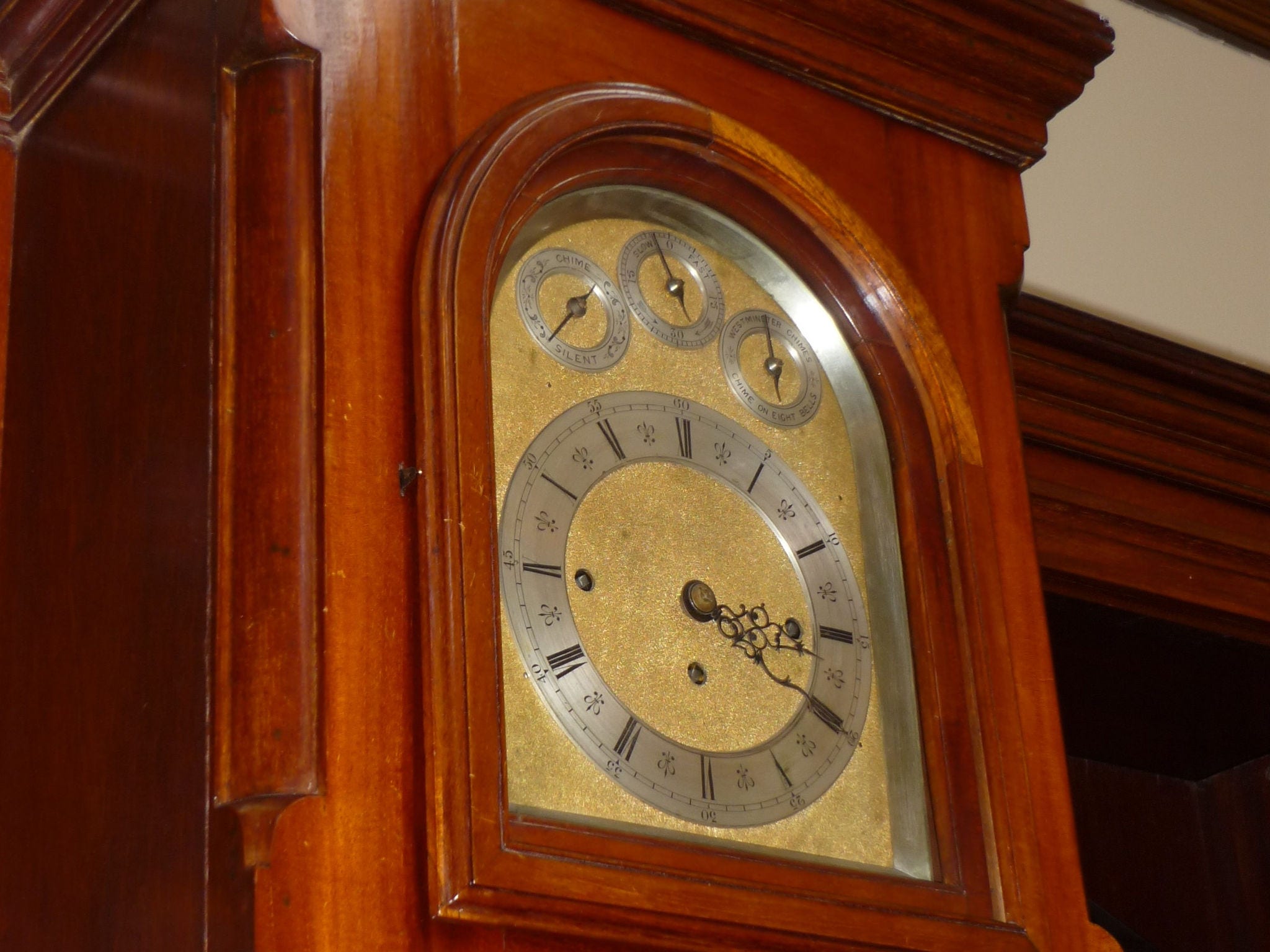
The fireplace and in-built clock are original features in the Hall, while the wooden bench seat belonged to the Waite family.

mainhall

Drawing Room

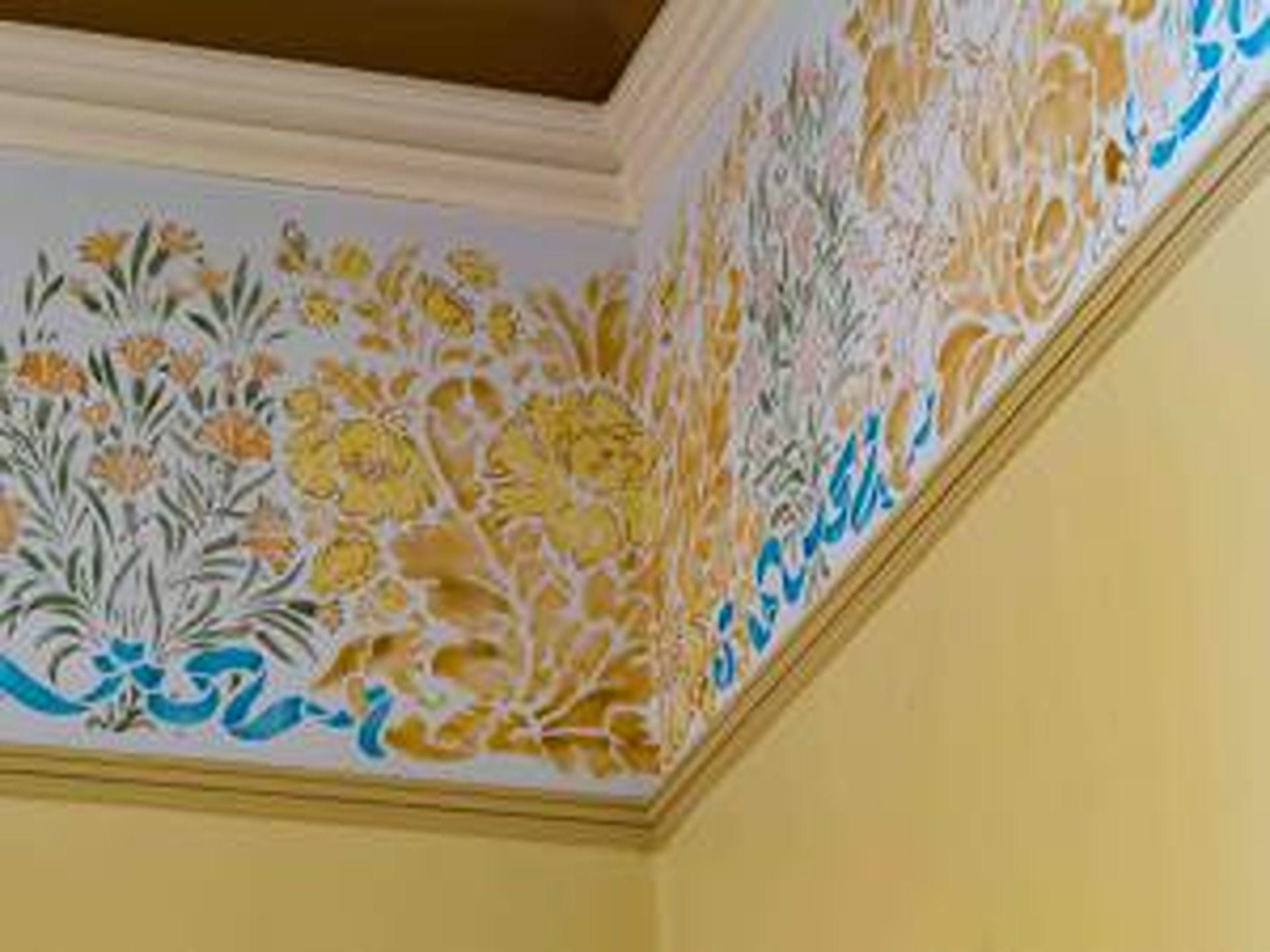
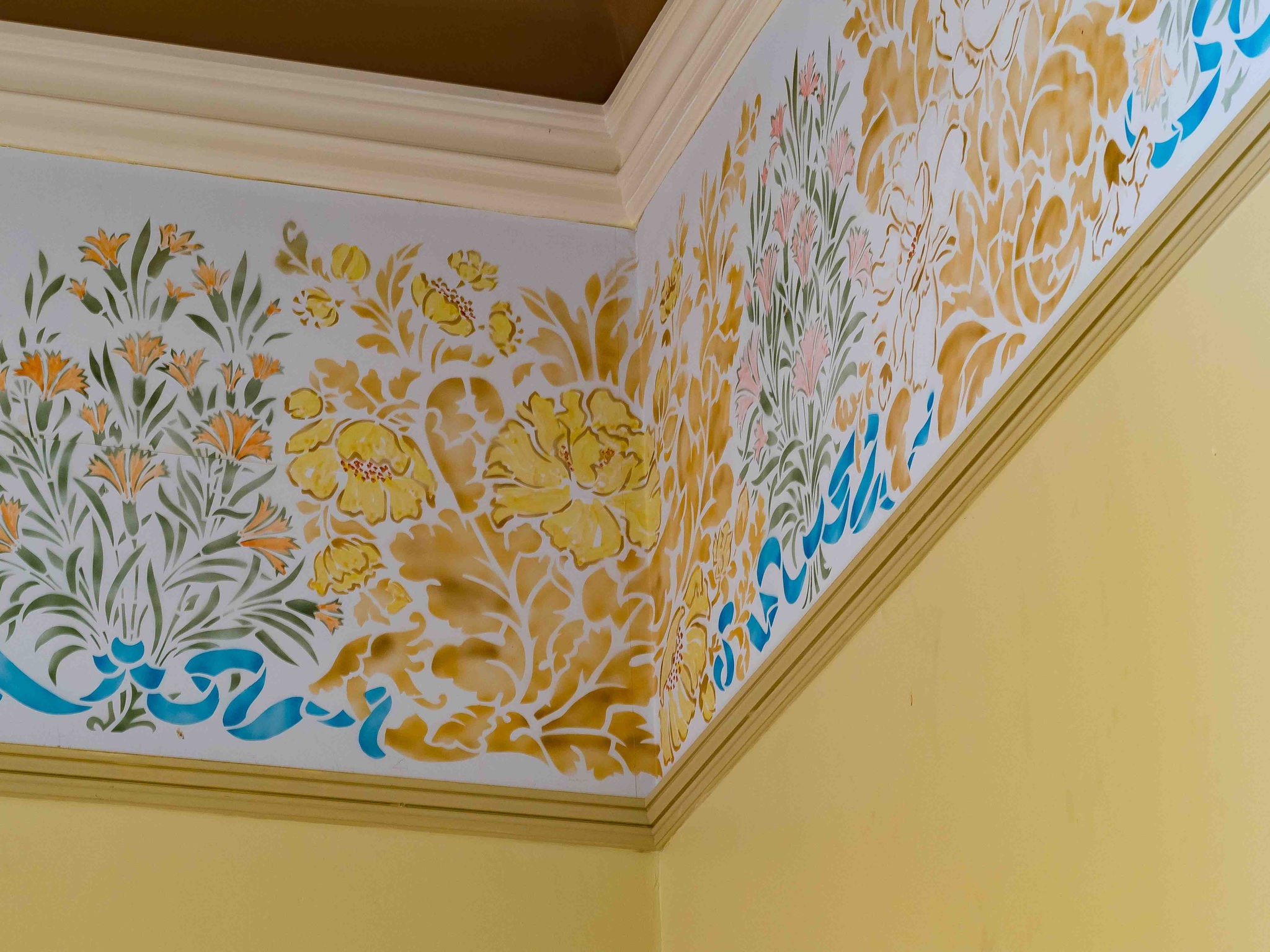
The Drawing Room was restored in 1992. Remnants of the original wall, ceiling and frieze papers discovered at that time, have been conserved. The entire wallpaper frieze was recreated in the 1994 by Leonie Woolhouse. 

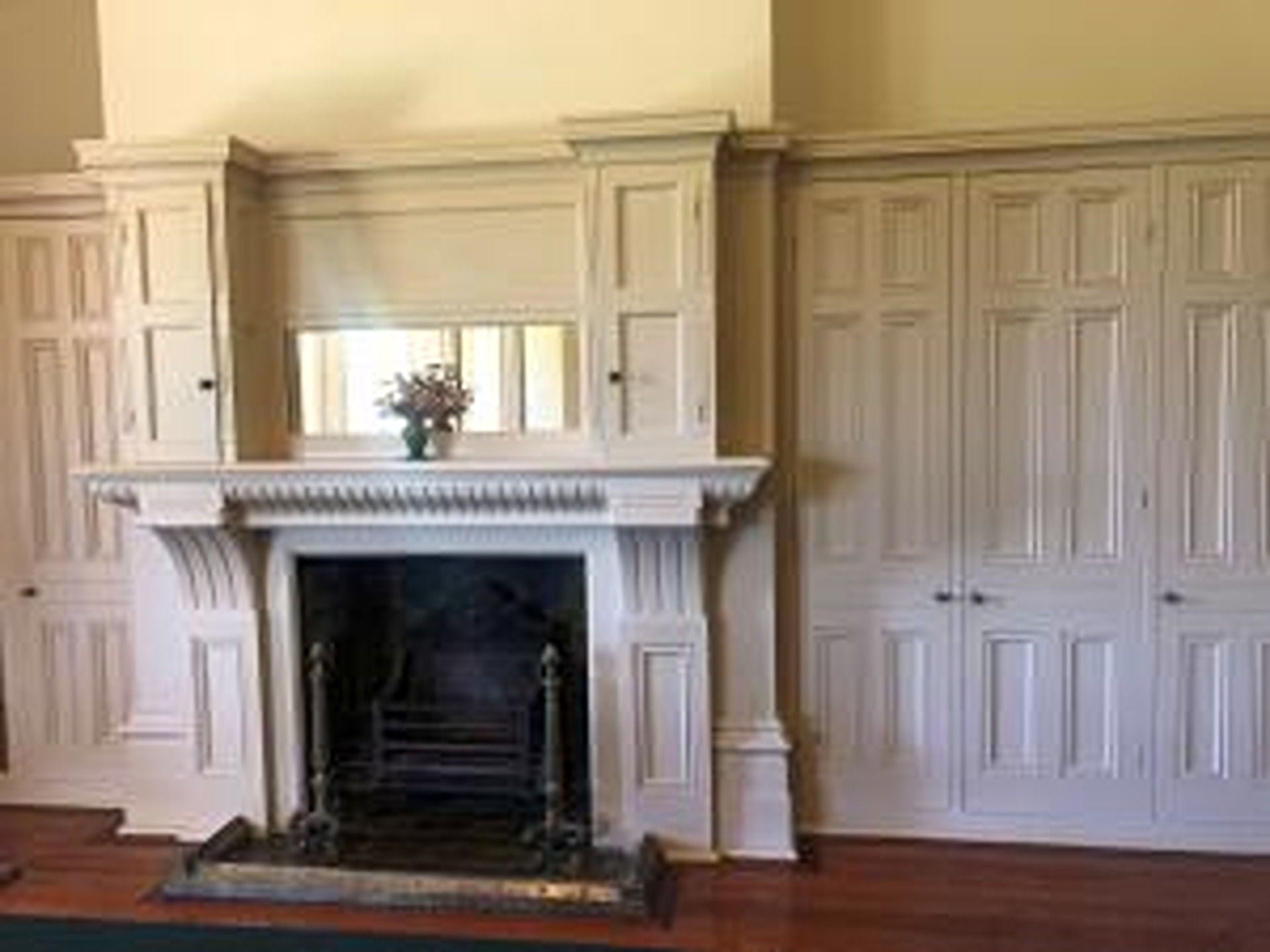
The original fireplace tiling and mantelpiece, which was lost in the 1950s when the room was converted into two bedrooms and a bathroom, have been reconstructed. The fireplace has an original grate and brass firedogs.

The Drawing Room is the only room in Urrbrae House to have its original curtains from when the Waites lived in the House. The curtains were generously returned to Urrbrae House in recent years by Peter Morgan, great-grandson of Peter Waite. Their conservation was paid for by the Friends of Urrbrae House.

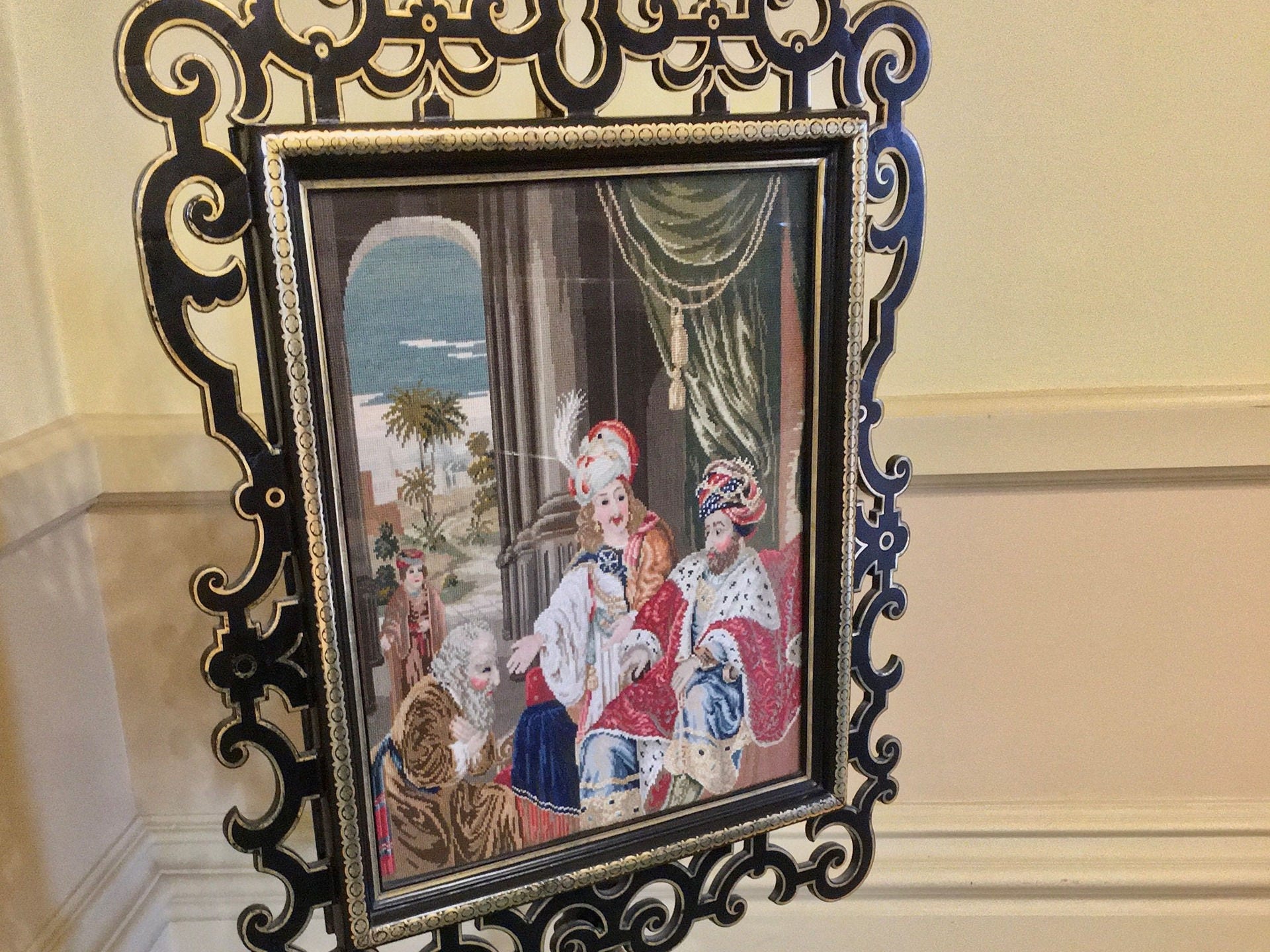
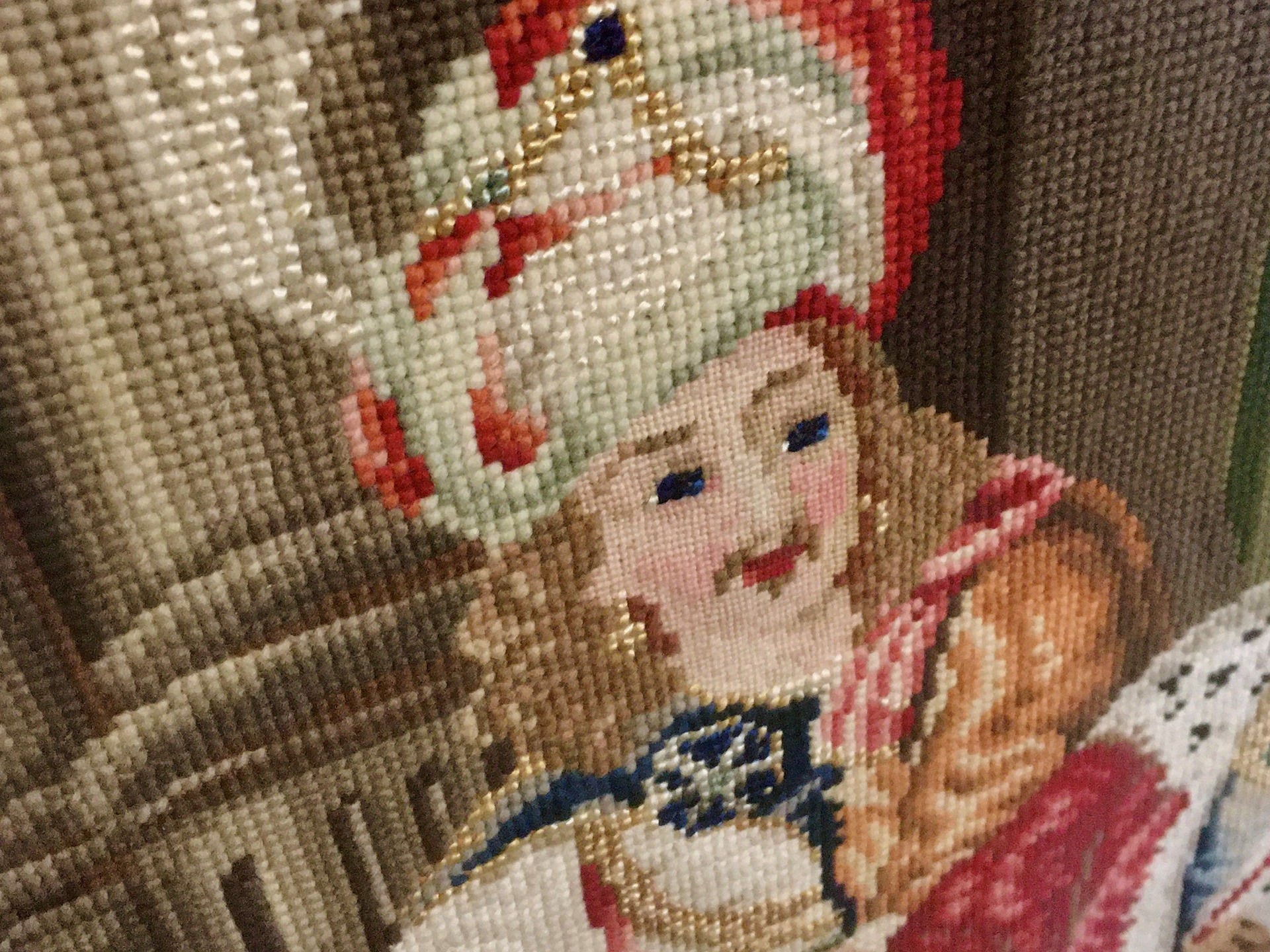
Another original feature in the room is a tapestry firescreen which was kindly restored to the House by Marion Wells, great-granddaughter of Peter Waite.

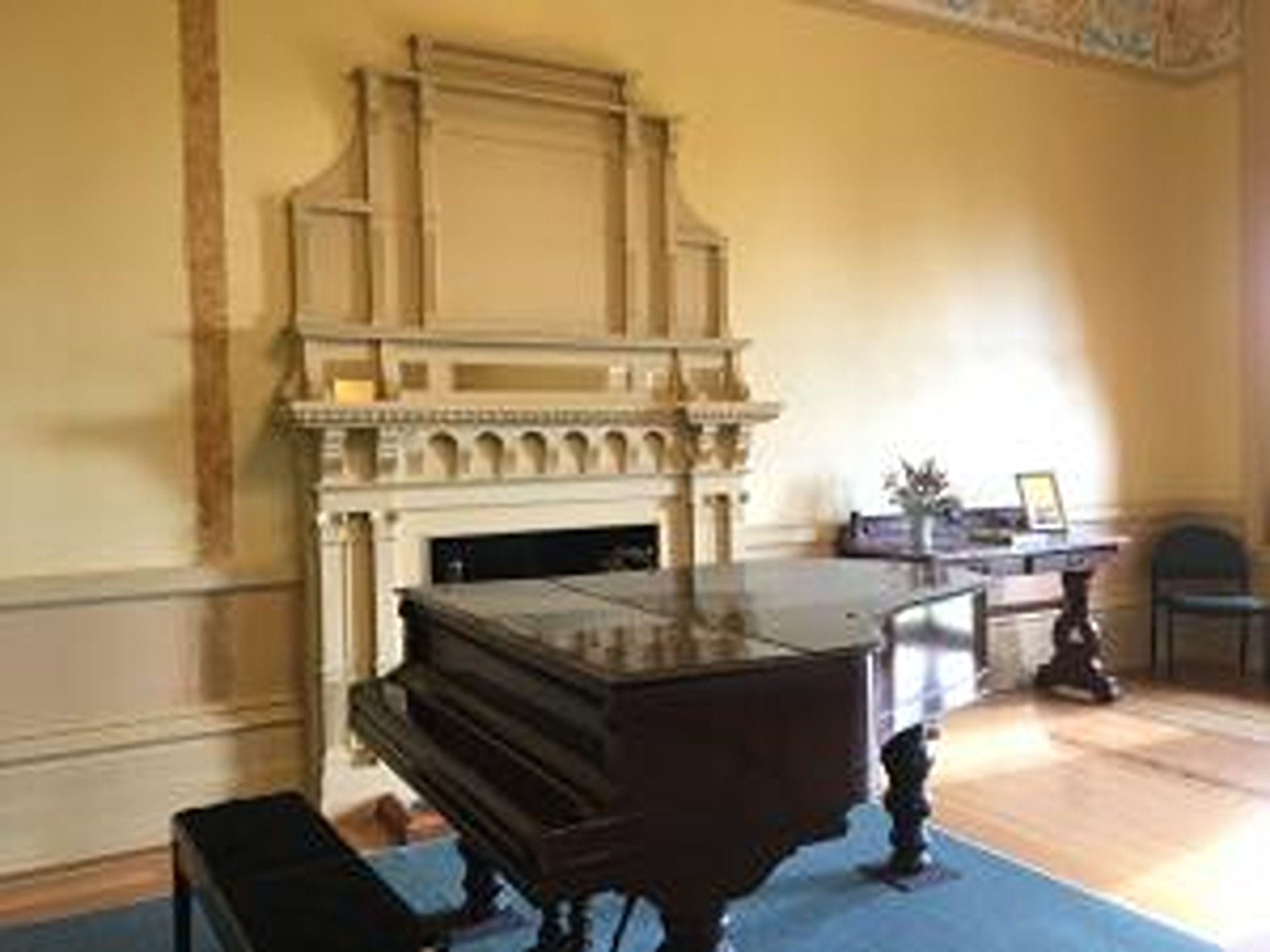
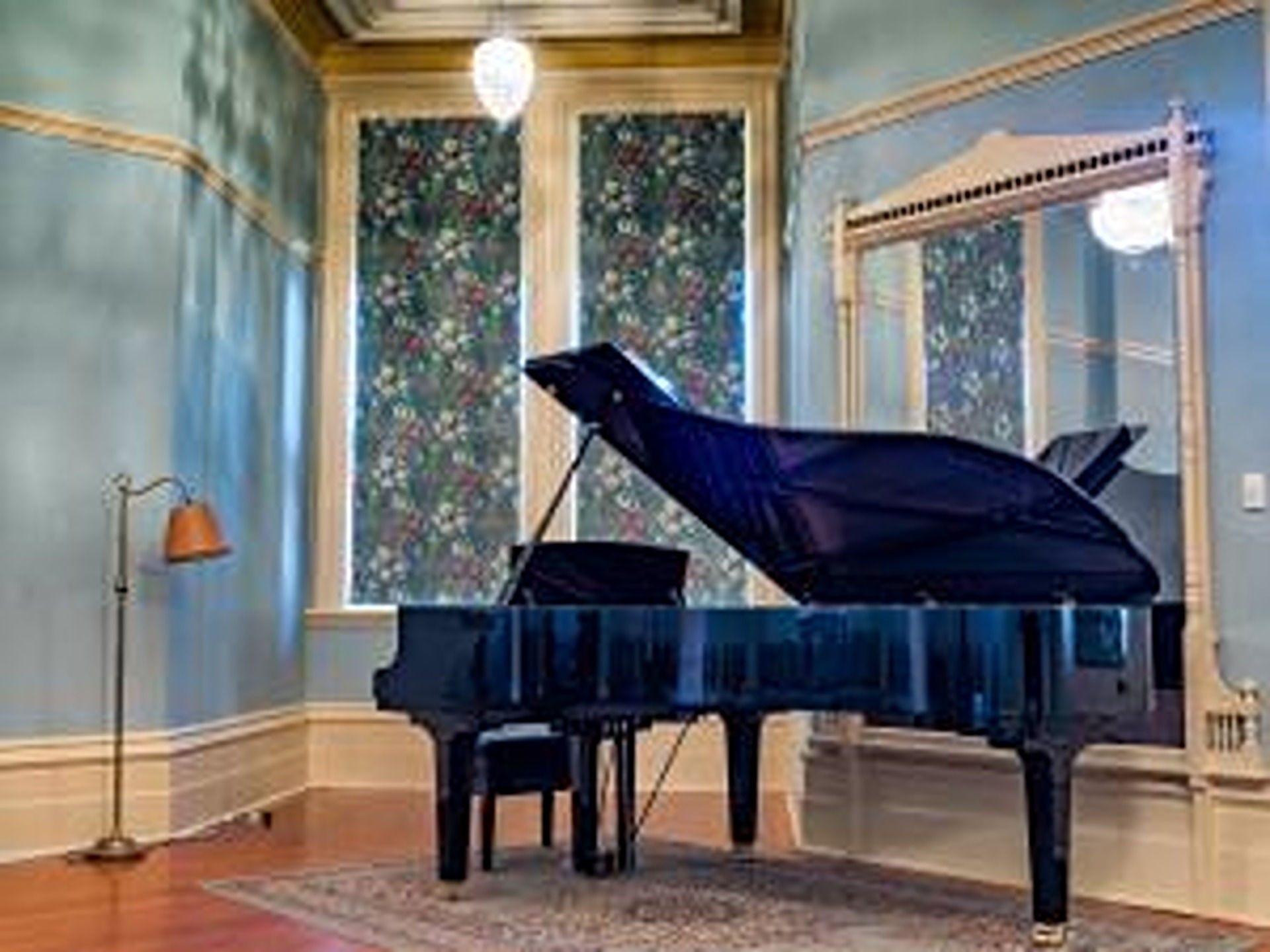
The Drawing Room also features an 1896 Steinway & Sons grand piano donated to the University for Urrbrae House by the eight grandchildren of Mrs Beatrice E Michell (1905 - 1992) who was the former owner of the piano.

The Drawing Room and grand piano are regularly used for concerts and events.

Drawing room 2019
Drawing room strokes
Paul stokes freeze

Dining Room

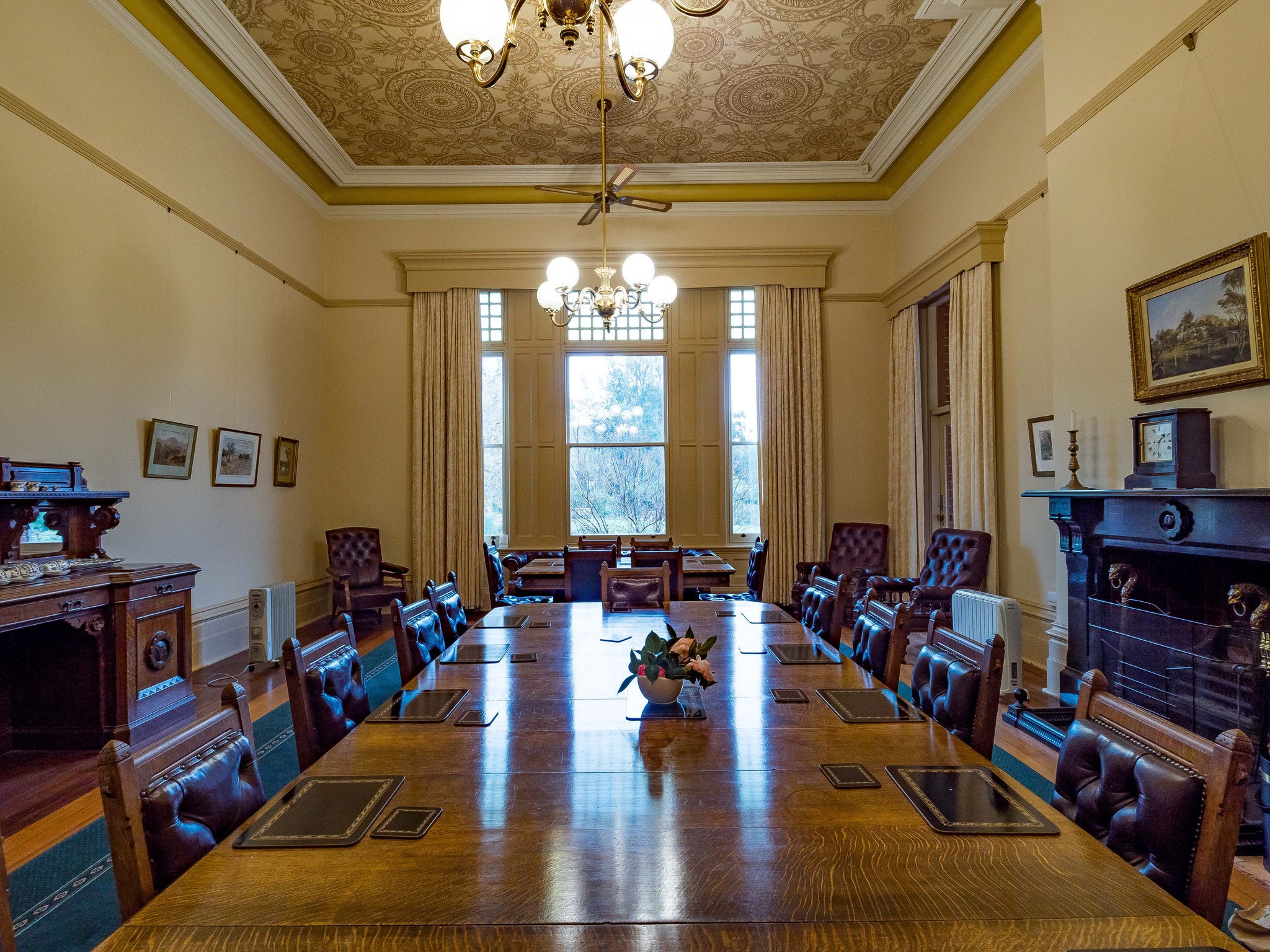
The Dining Room overlooks the picturesque rose gardens behind Urrbrae House.

The furniture in this room is original, having been made for the Waite family in Edinburgh, Scotland by John Taylor and Sons in 1876.

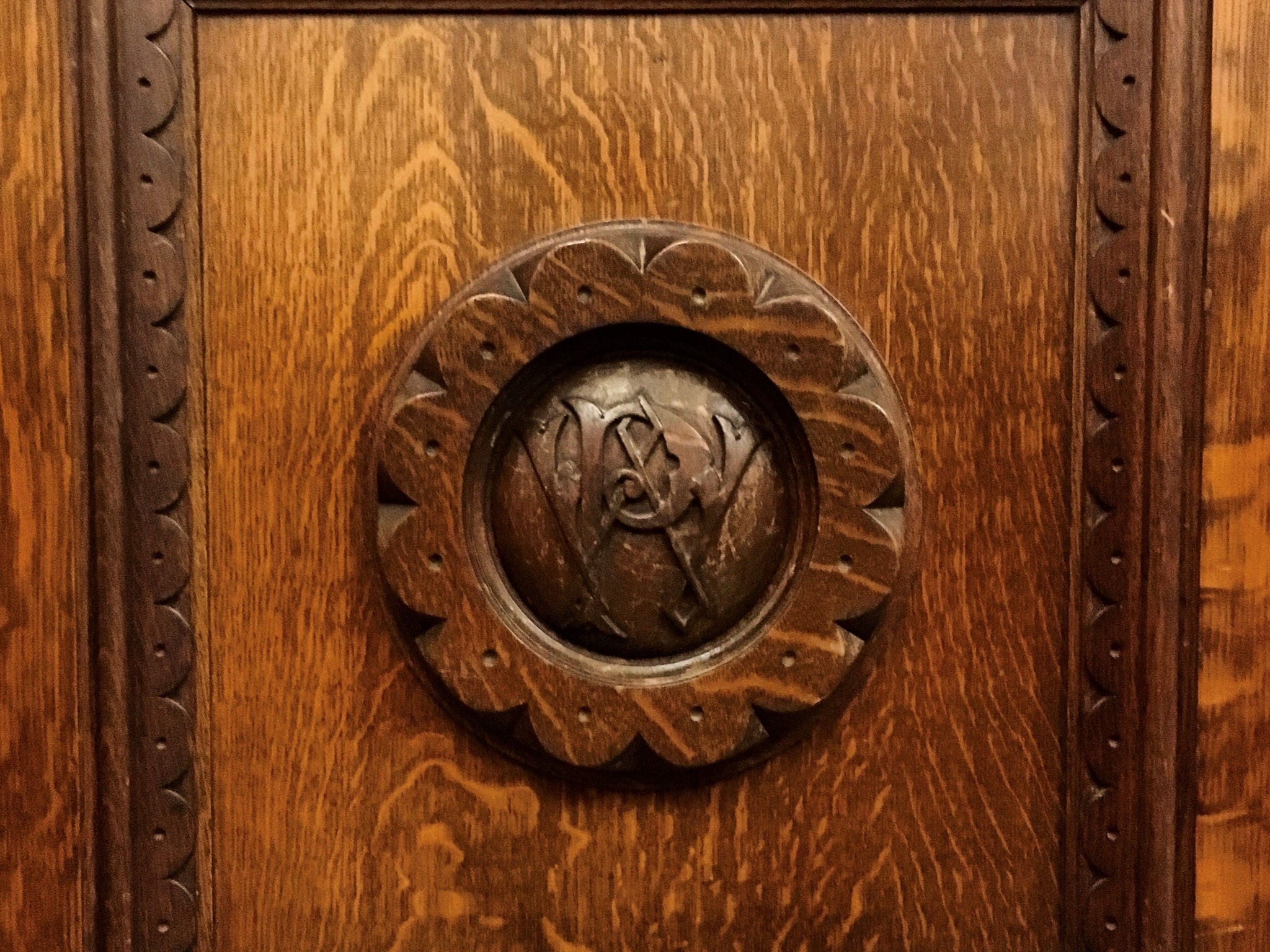
The sideboard features the family crest of a hunting horn and the family's motto: 'fac et spera' (do and hope).

Overlooking the oak dining table is a painting of Peter Waite by G. R. Webb commissioned by the University in 1923.

The black marble fireplace was saved from the first single-storey Urrbrae House which was demolished to make way for the current house.

Ballroom

Peter Waite Exhibition Room

The Peter Waite Exhibition Room was originally used by the Waite family as the Morning Room and affords a fine view to the front of Urrbrae House, towards the majestic 800 metre eucalypt-lined driveway.

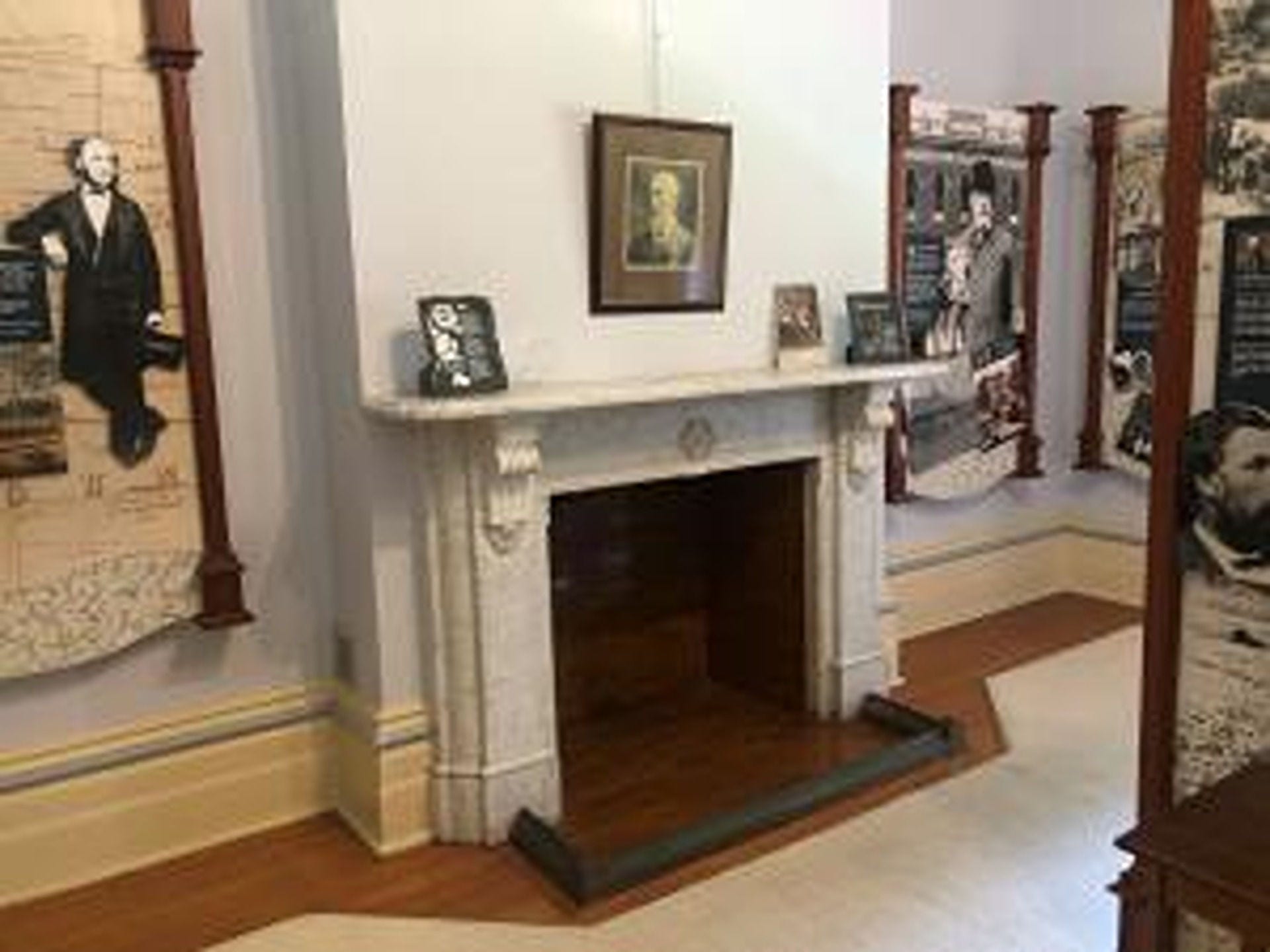
The Peter Waite Exhibition room houses photographs and memorabilia associated with South Australian history and the Waite family. Included in this collection is a rare photograph of Matilda Waite in the Morning Room.

This permanent exhibition on the history and restoration of the House was opened in 1994.

Display

Arboretum Exhibition Room

The Arboretum Exhibition Room, once the original Master Bedroom of Urrbrae House, has stunning views overlooking the Waite Arboretum and Twentieth Century Rose Garden.

The bedroom originally had a walk in dressing room and ensuite bathroom. The in-built wardrobes and fireplace are original features of the room.

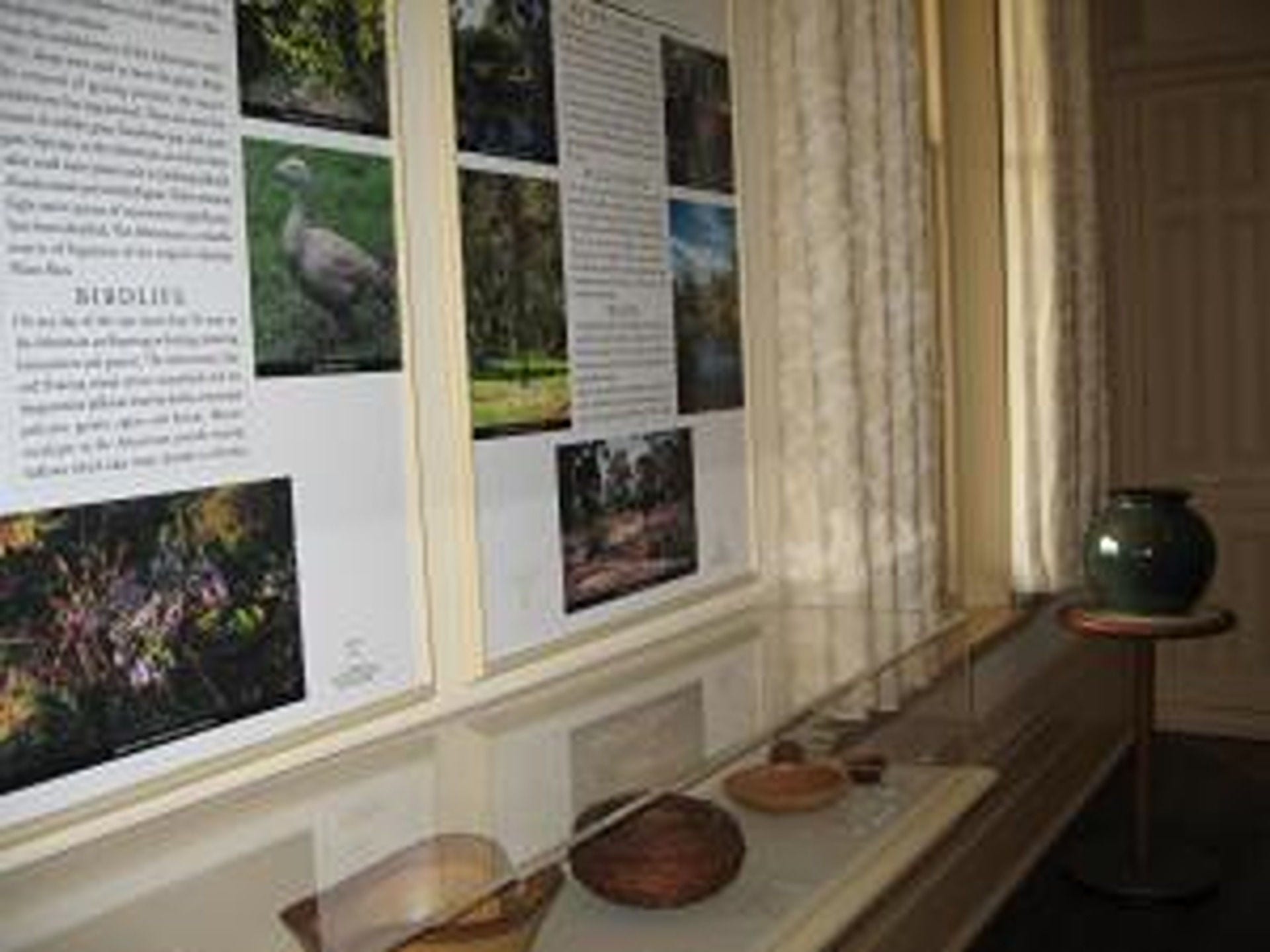
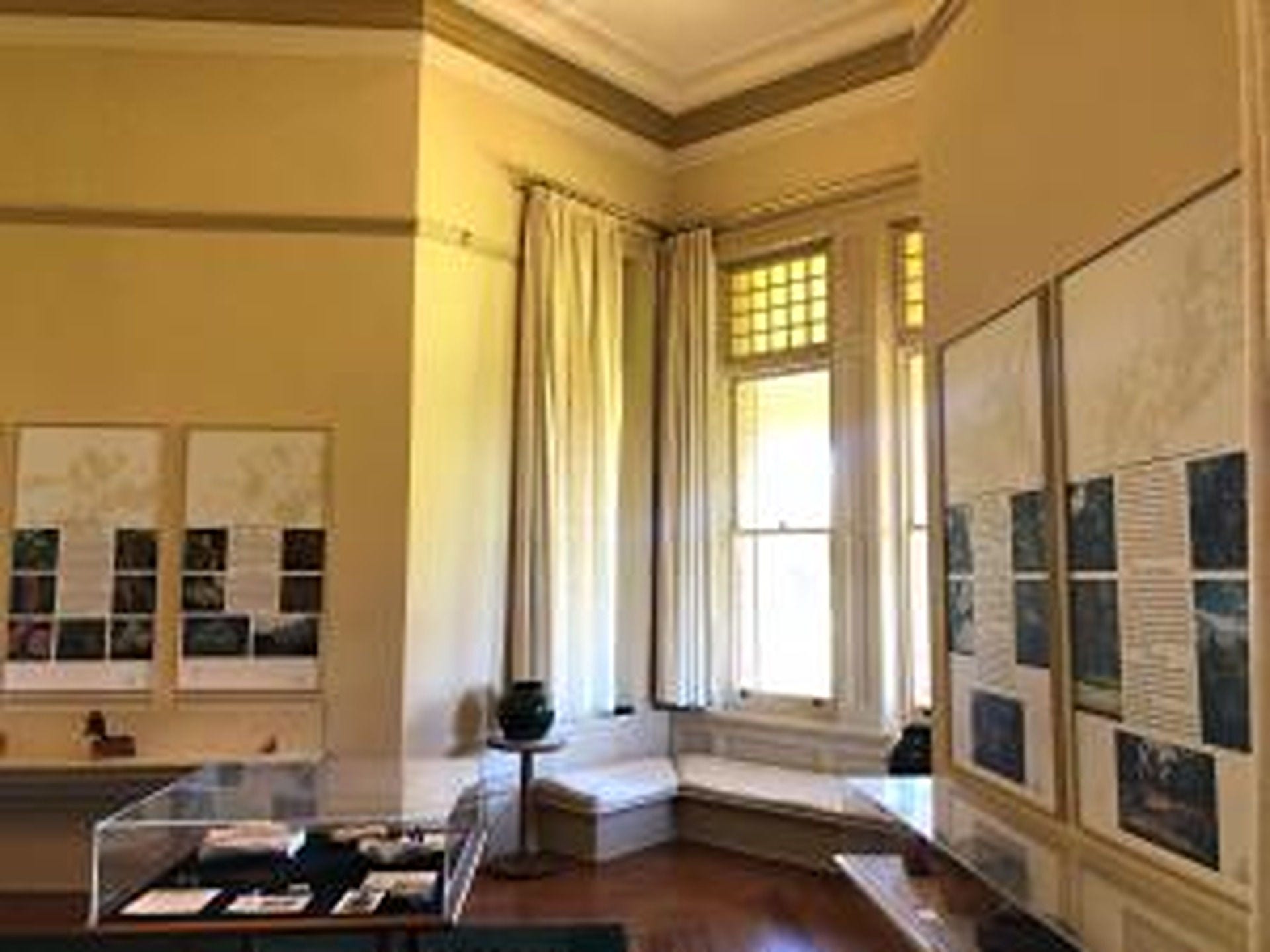
This permanent display features items made from Arboretum timbers and included is a beautiful exhibition of fossilised leaves and fruits of the ancestral species of trees represented.

Informative panels bring to light some of the special collections in the Waite Arboretum.

Exhibition room
Exhibition room
Exhibition room
Exhibition room

Downstairs rooms

Ballroom

The Ballroom and adjacent lounge/supper room (now School Room) are on the lower level of Urrbrae House. These rooms were designed to receive natural light from abundant windows and have easy access to the lower verandah.

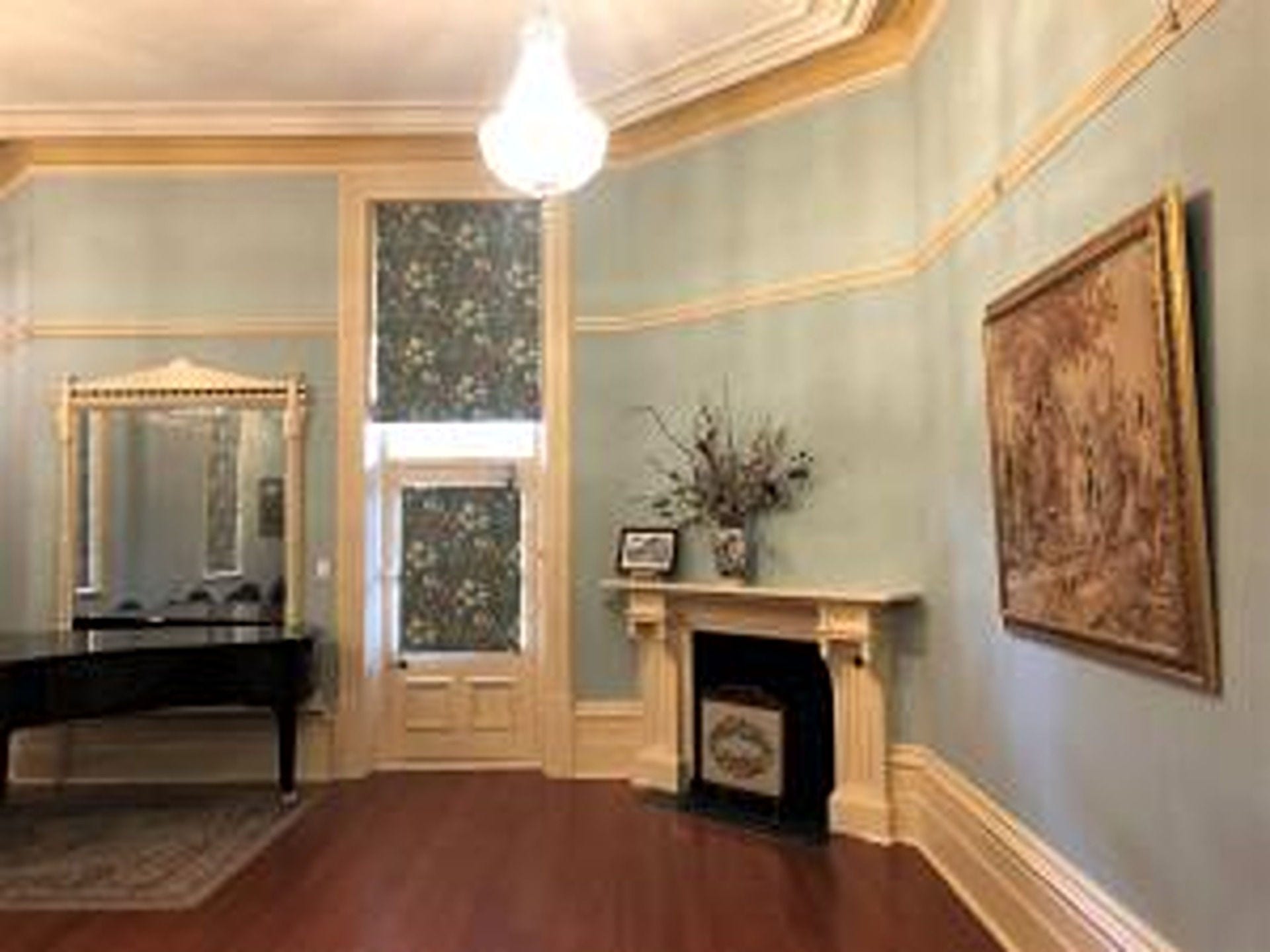
During Adelaide's hot summers, Peter Waite and his family often moved into the Ballroom to escape the worst of the heat. The large mirror and mantlepiece are the only remaining original features. In the 1970s and 1980s the room was used for a student cafeteria/refectory.

In 1996 the Ballroom was renovated and until 1999 housed the National Textile Museum of Australia.

From 2000 onwards the space has been used for events and concerts.

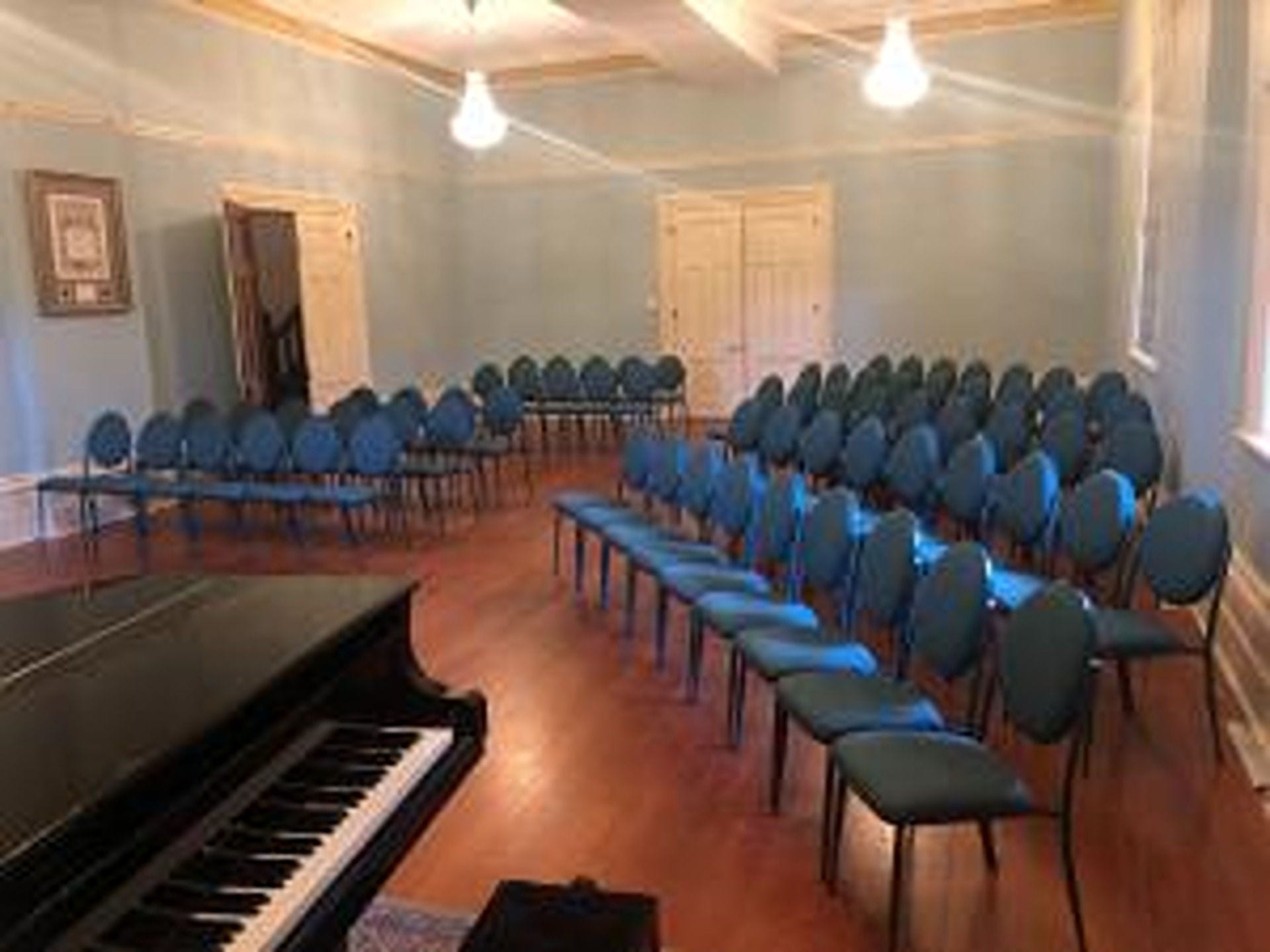
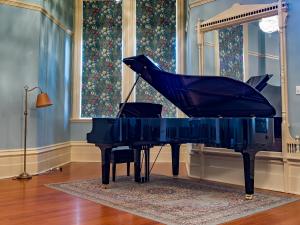
In 2014 generous benefactor, Margaret Neate, donated a Yamaha grand piano for the ballroom to enable a wider range of concerts to be held in the house. Since then, the Ballroom has been redecorated to recapture some of its past grandeur. In 2016 the Friends of Urrbrae House funded the reinstatement of five crystal chandeliers in the room.

Ballroom
Ballroom
Ballroom
Ballroom

Library

The Library is located on the lower ground floor and contains books that once belonged to the Waite family and those collected during the early period of the Waite Institute.

The collection reflects Peter Waite's great interest in new technology, including new inventions such as refrigeration and electricity.

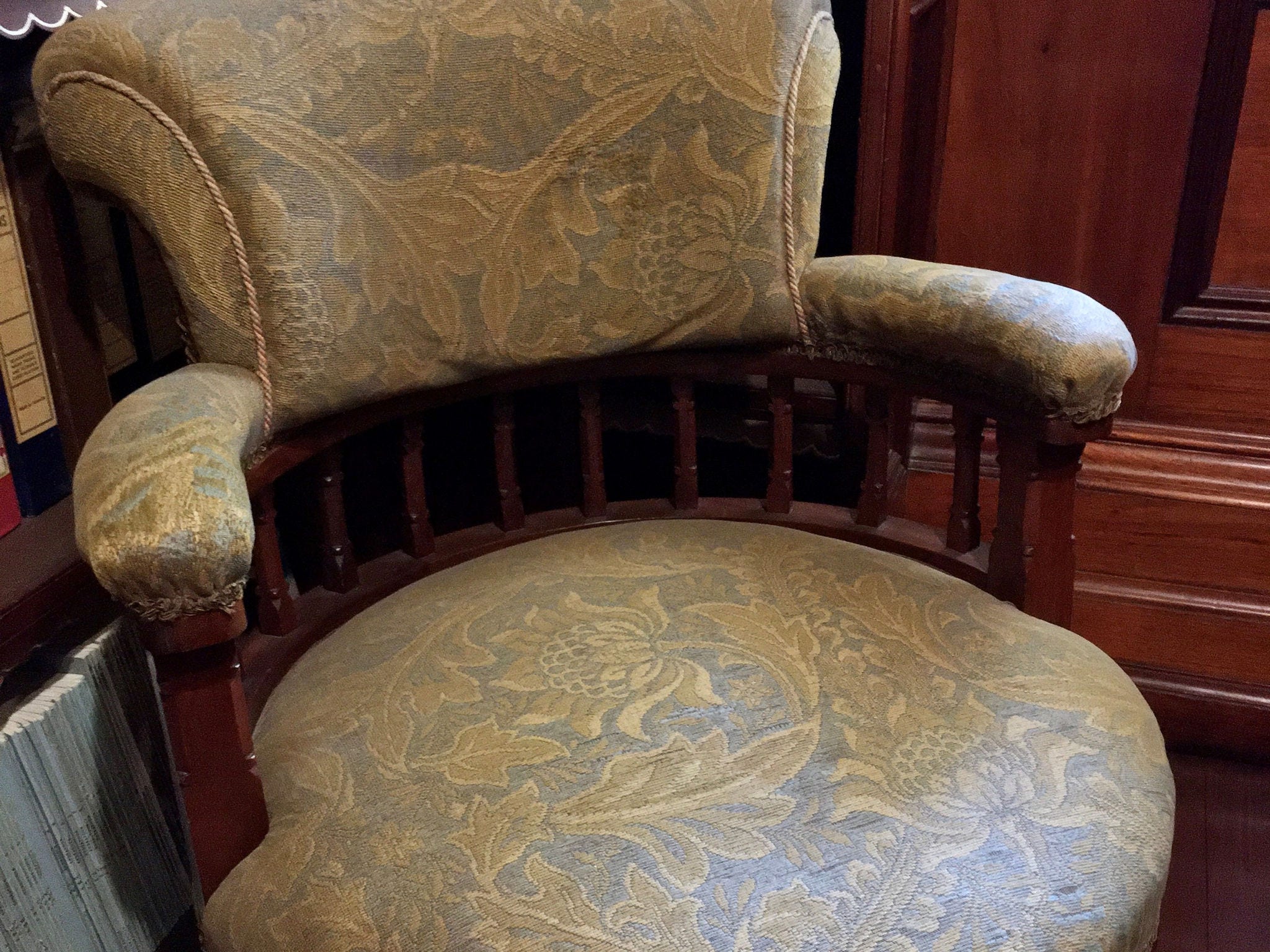
The shelving, with its leather dustcovers and original tub chairs in this room belonged to Peter Waite.

The desk is believed to be that of the first Director of the Waite Institute, Professor Arnold Richardson, who used the room as his office before the John Melrose Laboratory (now Main Waite Building) was opened in 1929.

Library
Library
Library

Billiard Room

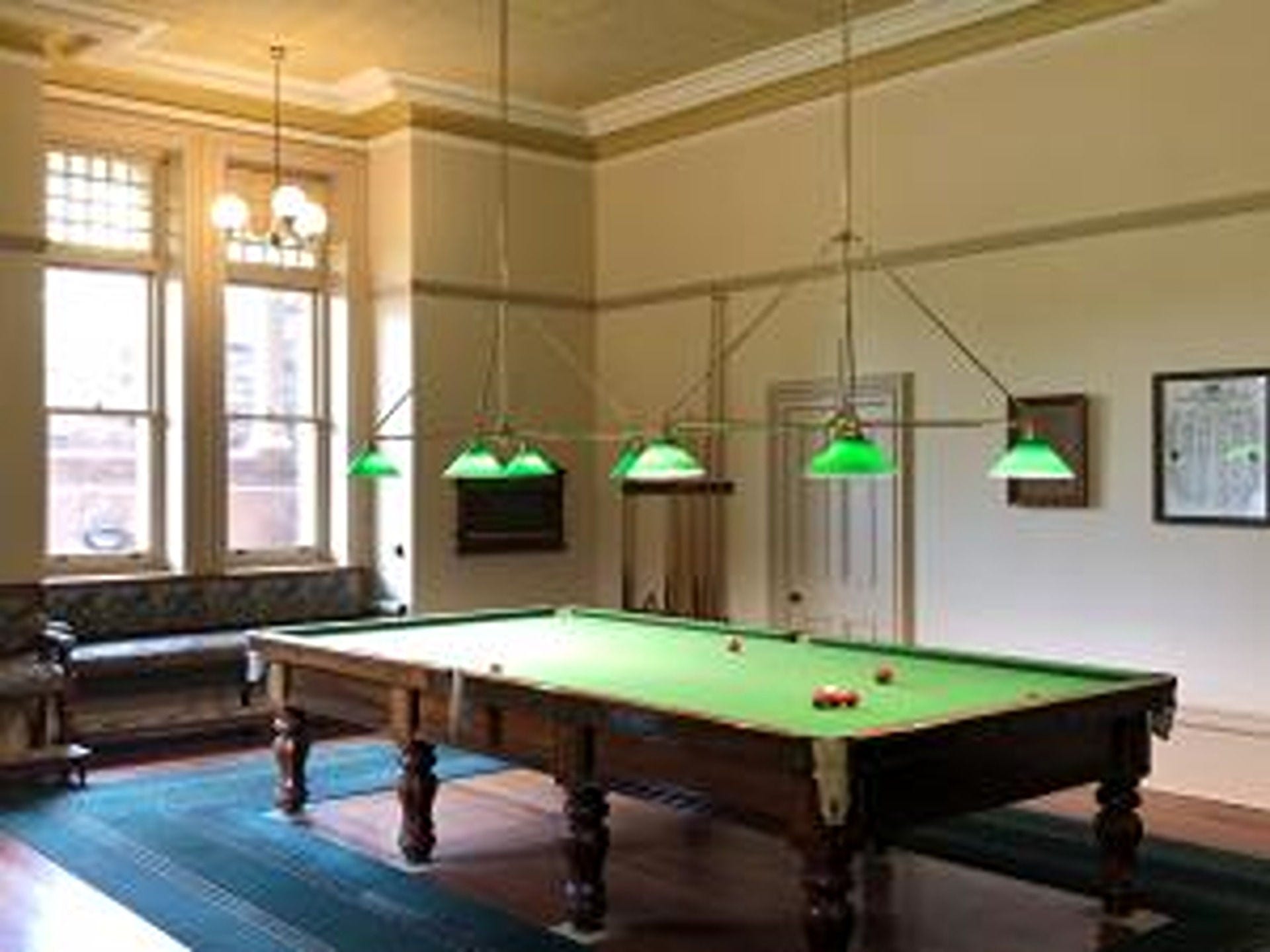
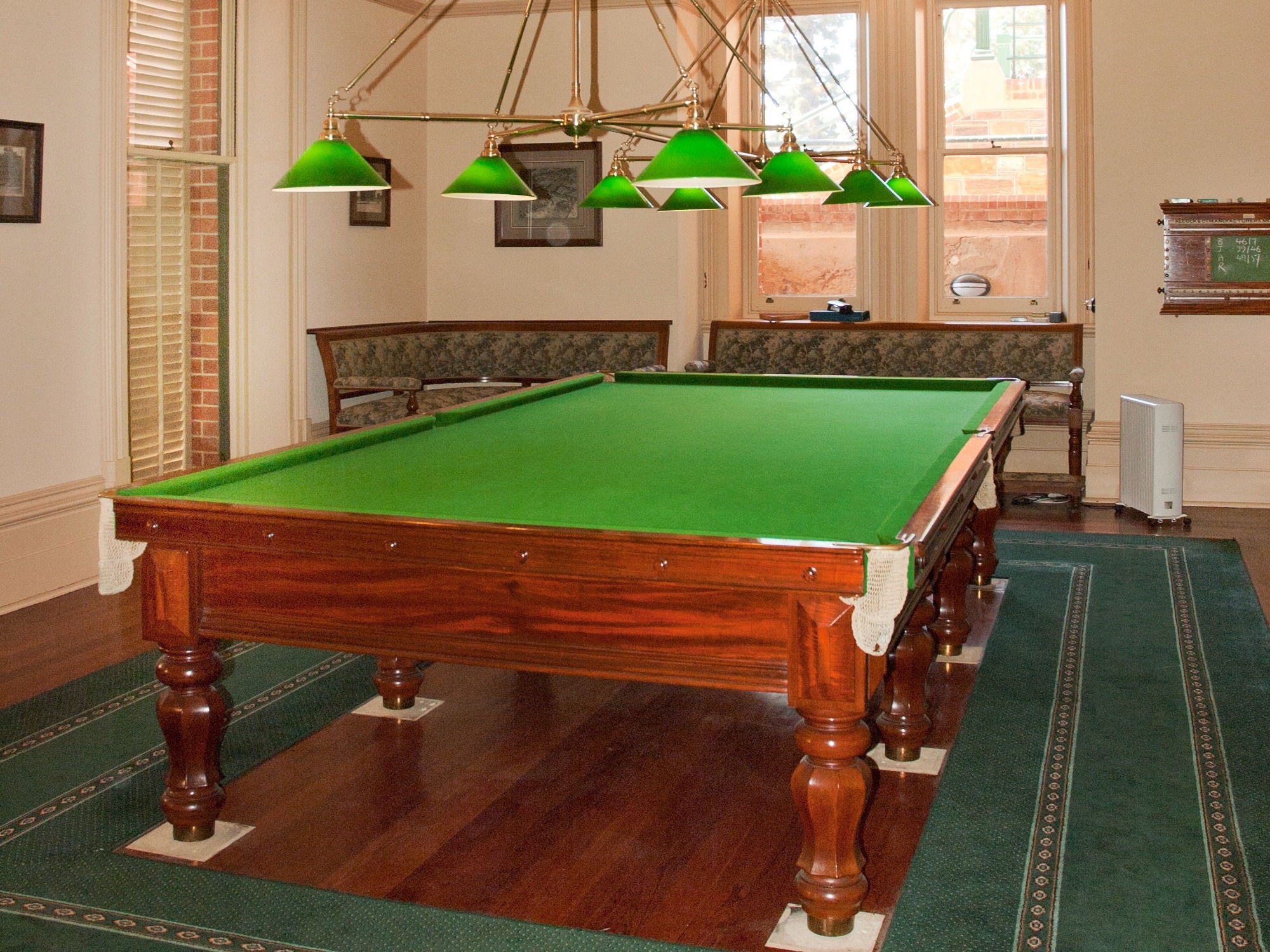
In Peter Waite's time, the Billiard Room was also known as the "Smoking Room", because it was the only room in the house where smoking was permitted. The room contains various pieces of original furniture and fittings. A small closet room, off the Billiard Room, was used by Eva Waite as a photographic darkroom.

The main focus of the Billiard Room is the magnificent Alcock & Co "Squatter's Favourite " billiard table. While the room was predominantly a male domain, during a visit in August 1895 artist Arthur Streeton wrote that he played billiards with Peter Waite and his daughters while he and Waite were "gushing about art the whole time".

By the 1990s after years of use (including by many students during 1970s and 1980s) the billiard table needed restoration.  The billiard table was restored and the room's rug replaced in 1997.

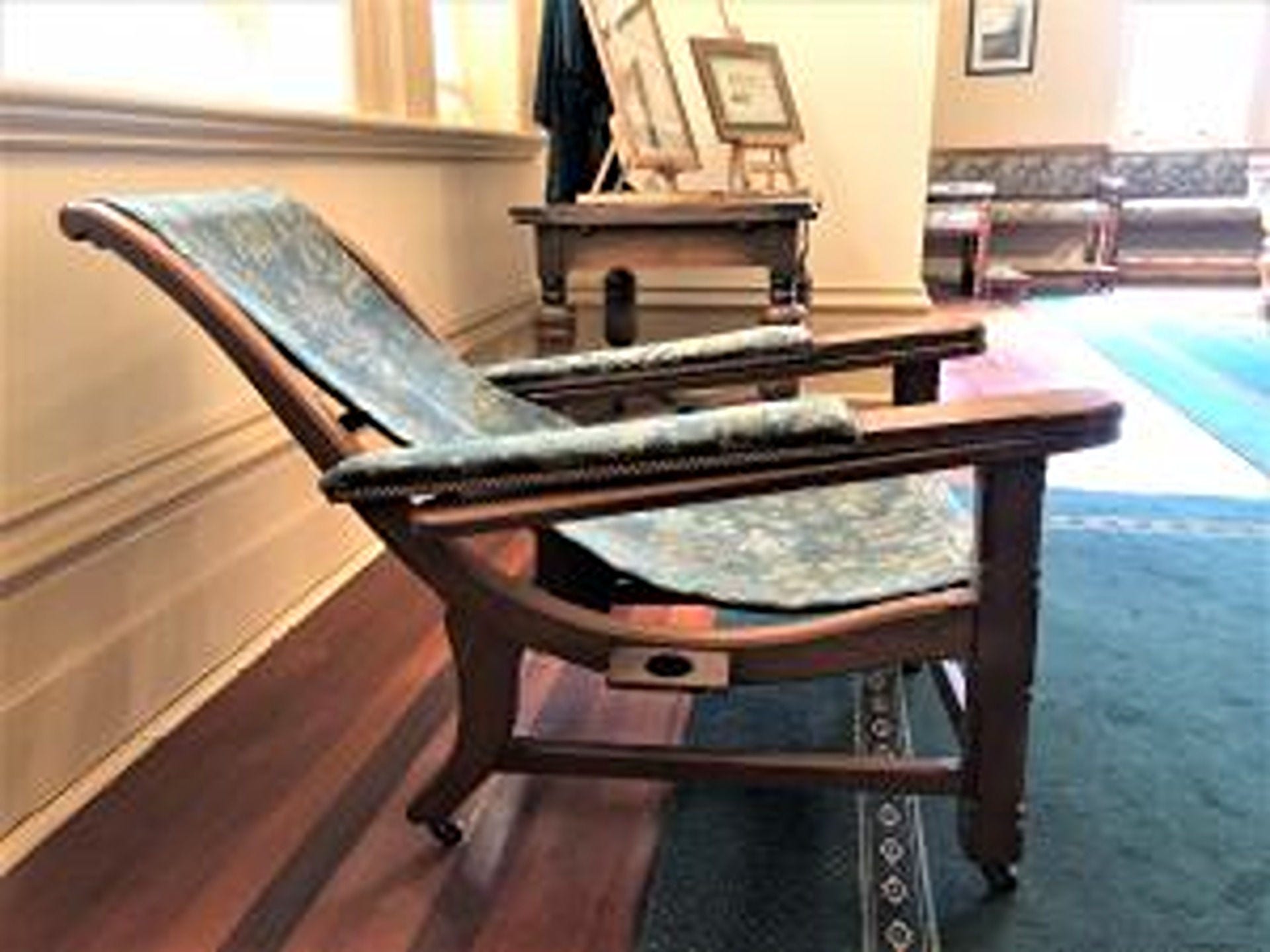
Timber framed settees with footrests in the north bay and northeast corner of the room have been re-upholstered but retain their original woodwork. Two verandah or squatters chairs with their original tapestries from the Waite era are also found in the Billiard Room and downstairs hallway.

The lighting in the room is a replica of the original style of lighting used in the 1890s.

Much of the renovation of the Billiard Room and Library has been funded through the efforts of the Friends of Urrbrae House.

Billiards room
Billiards room
Billiards room

School Room

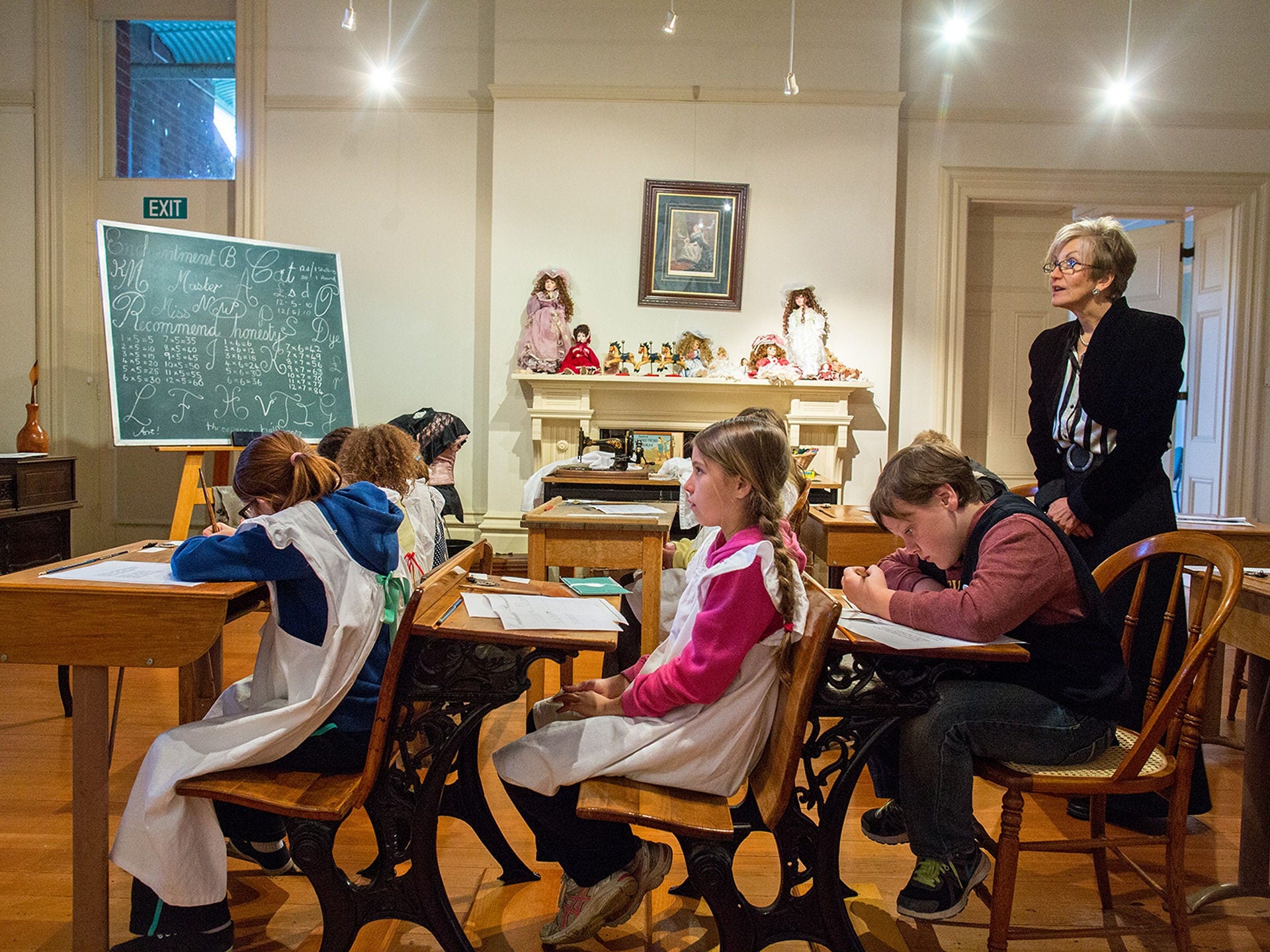
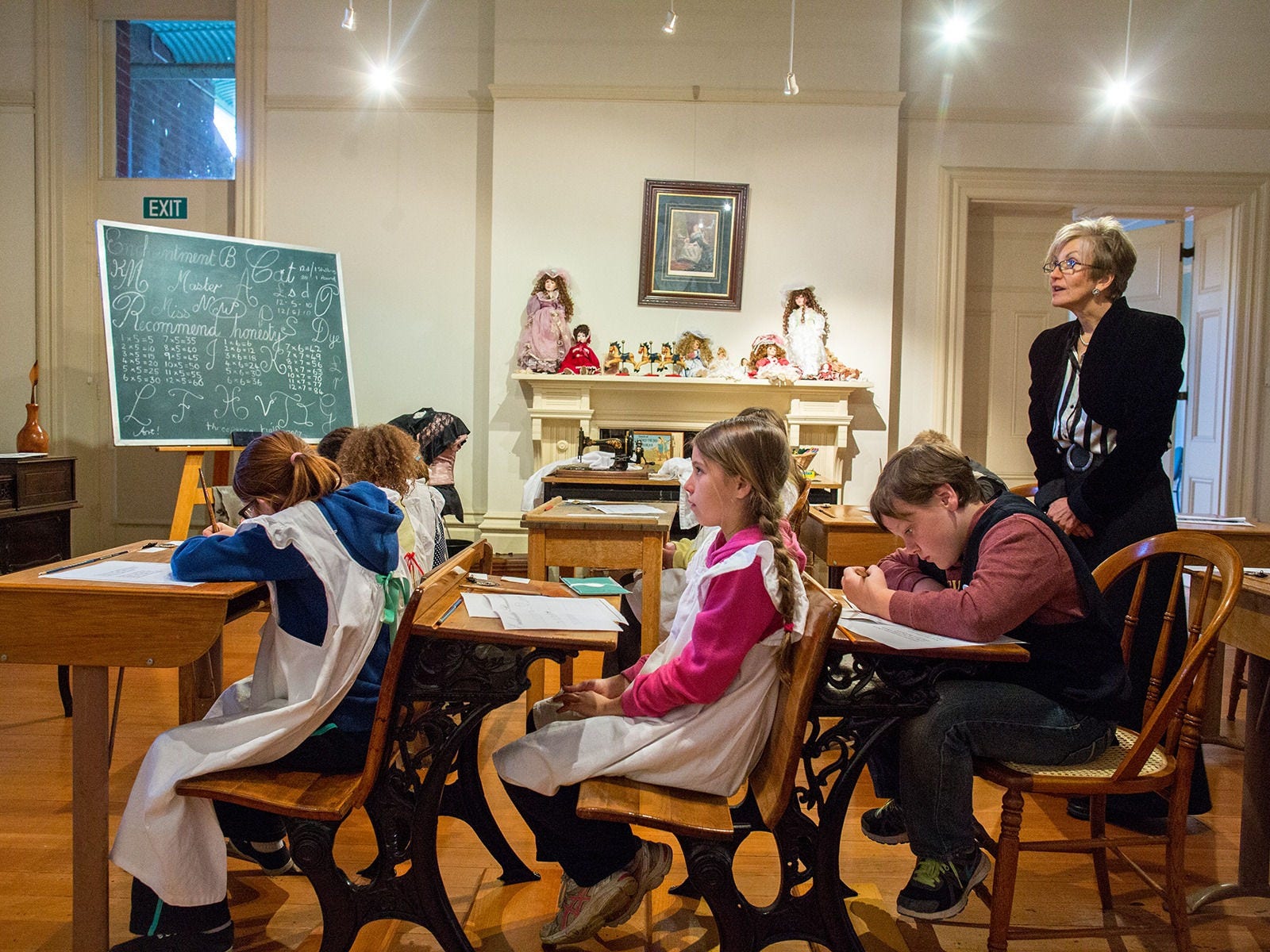
The Supper Room (now School Room) was used as a lounge room where guests could avail themselves of refreshments when a ball was being held.

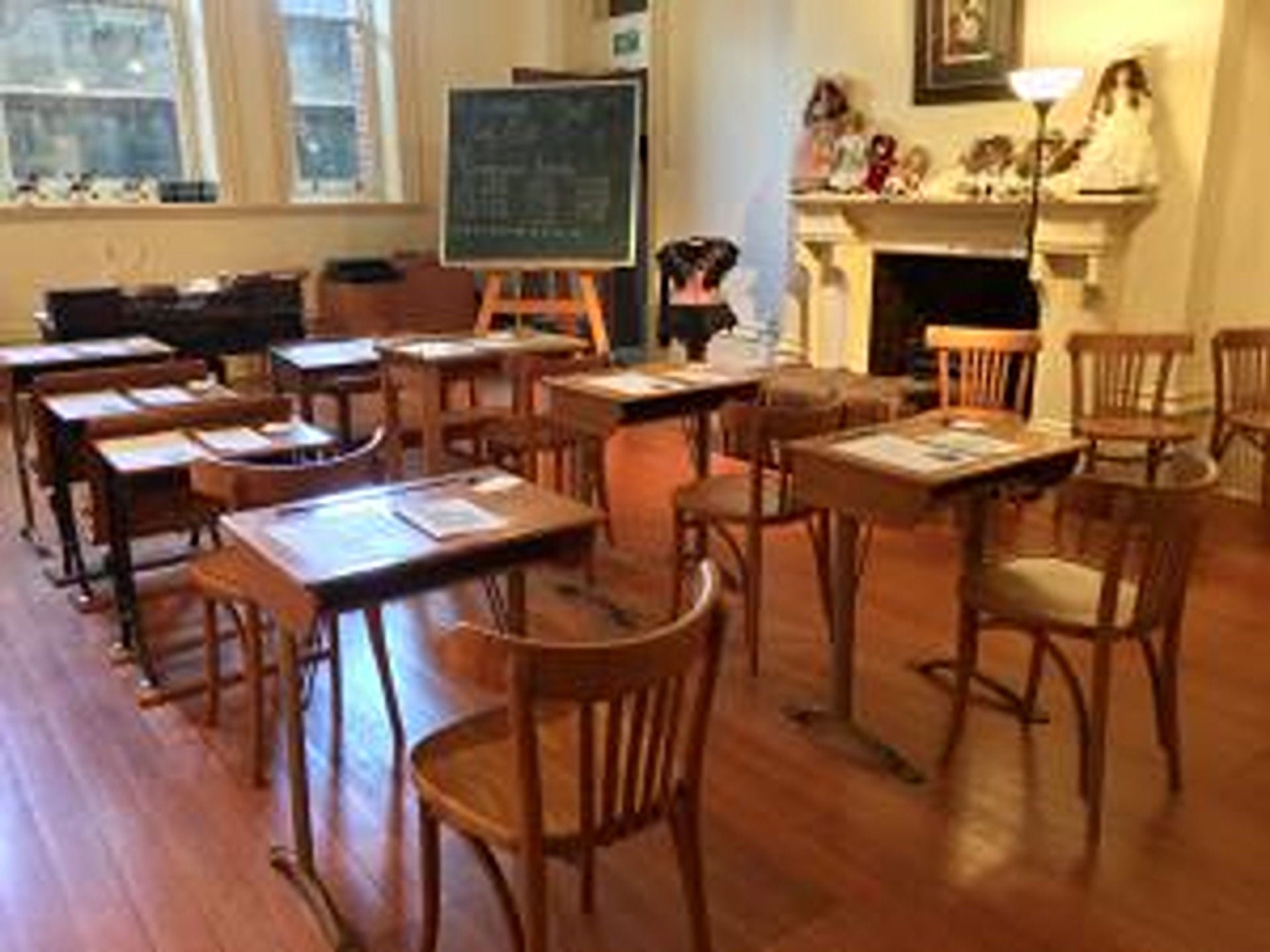
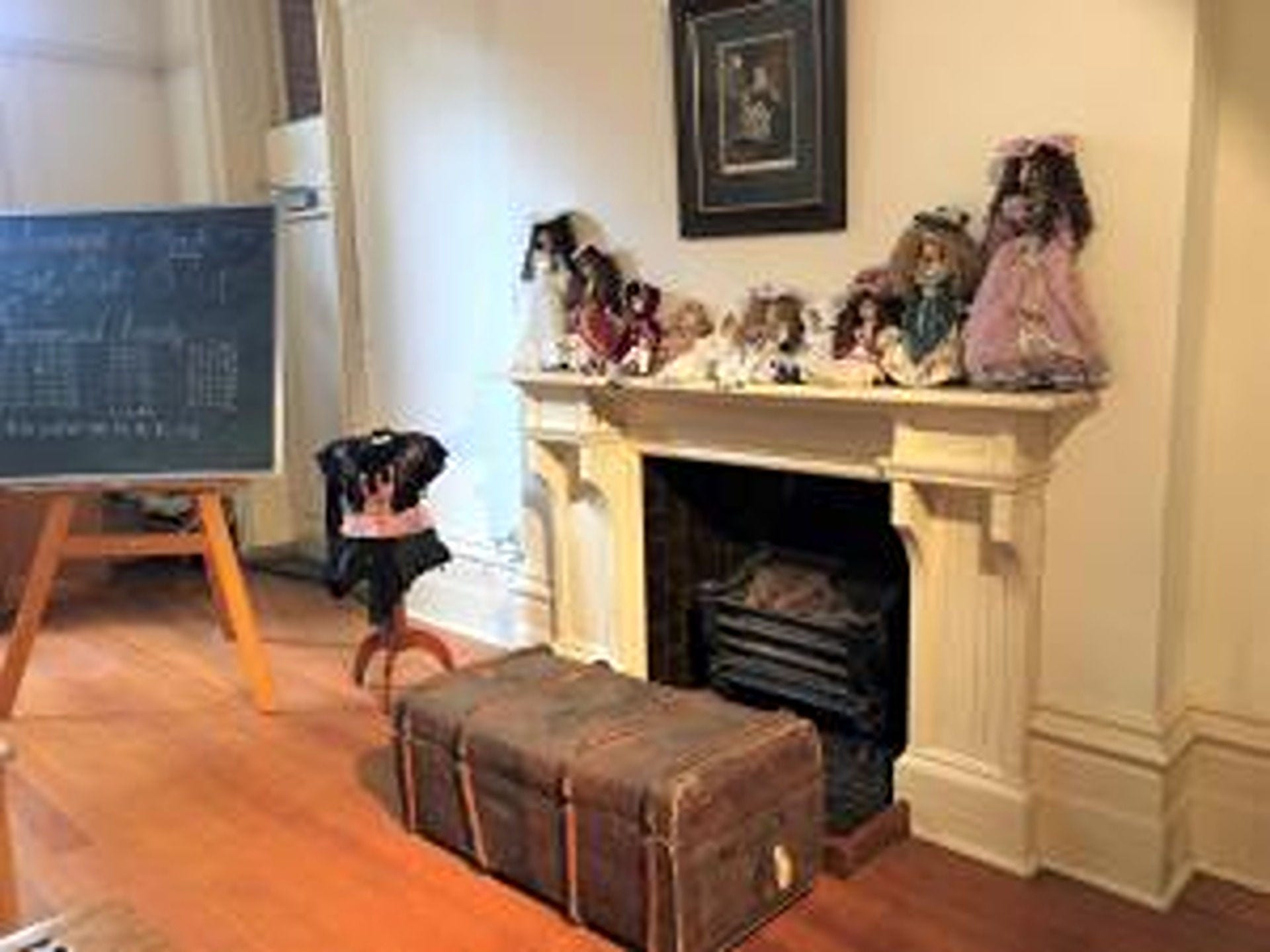
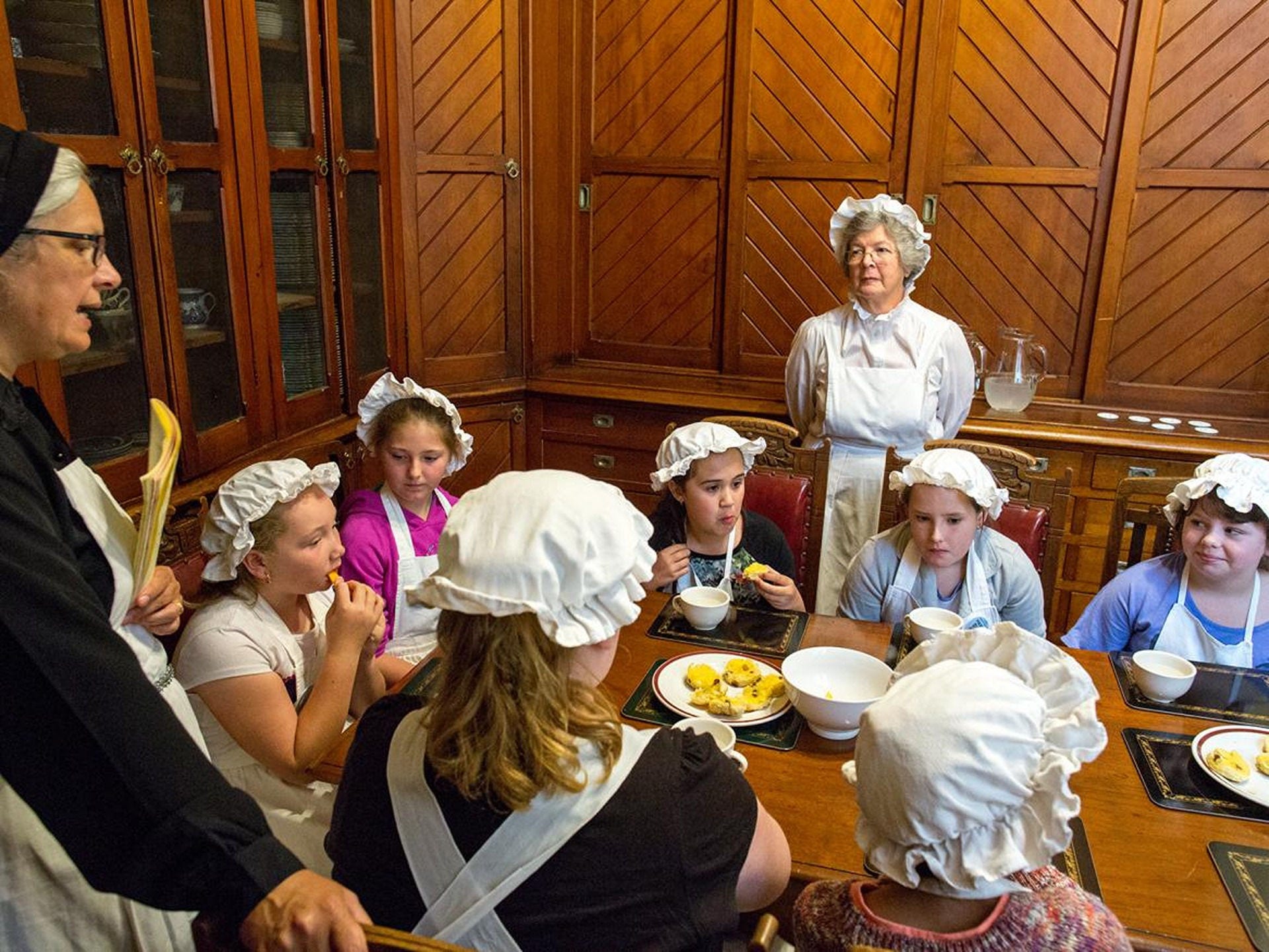
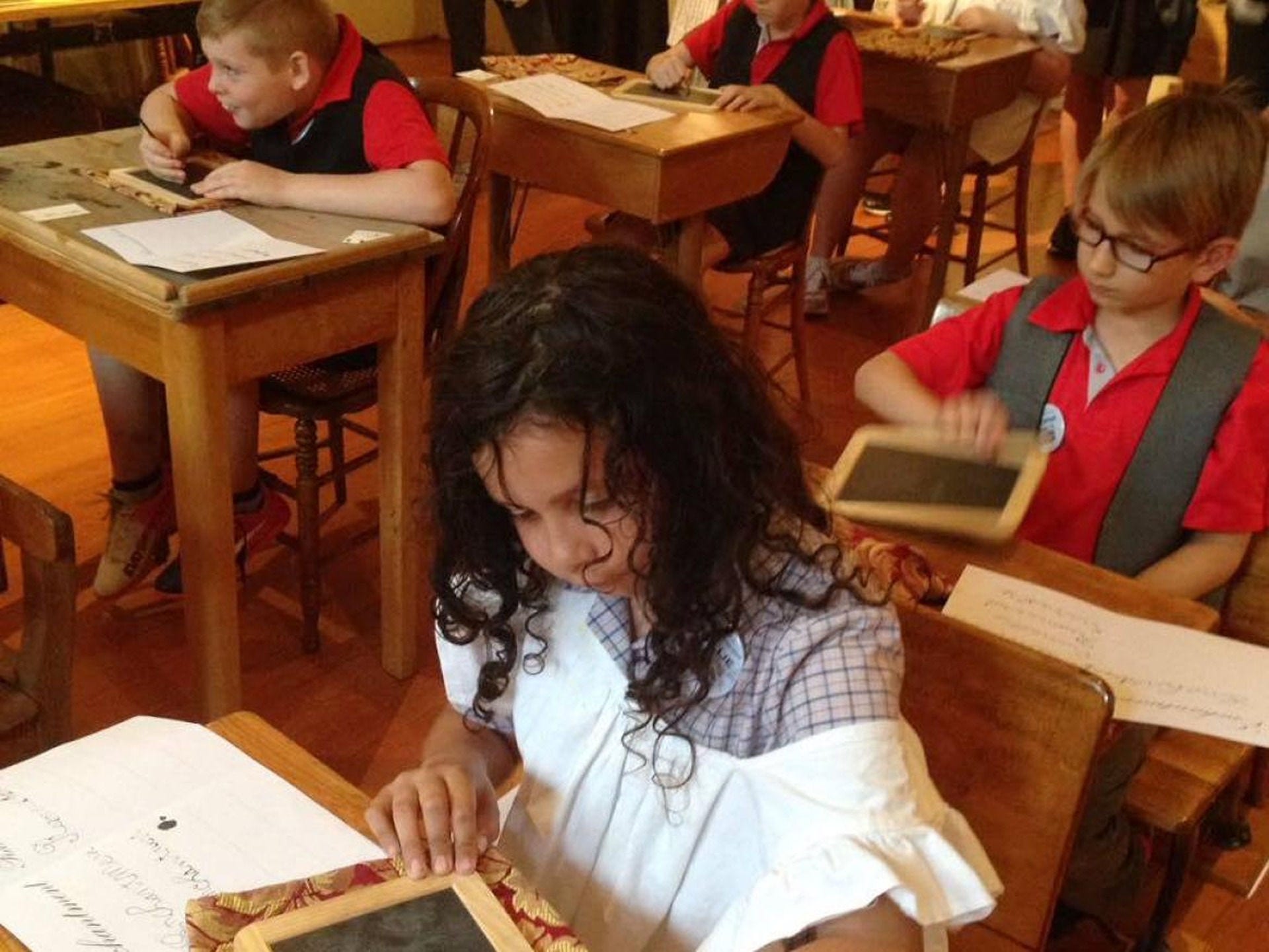
The room is now a recreated late Victorian School Room which is used in education programs for school children.

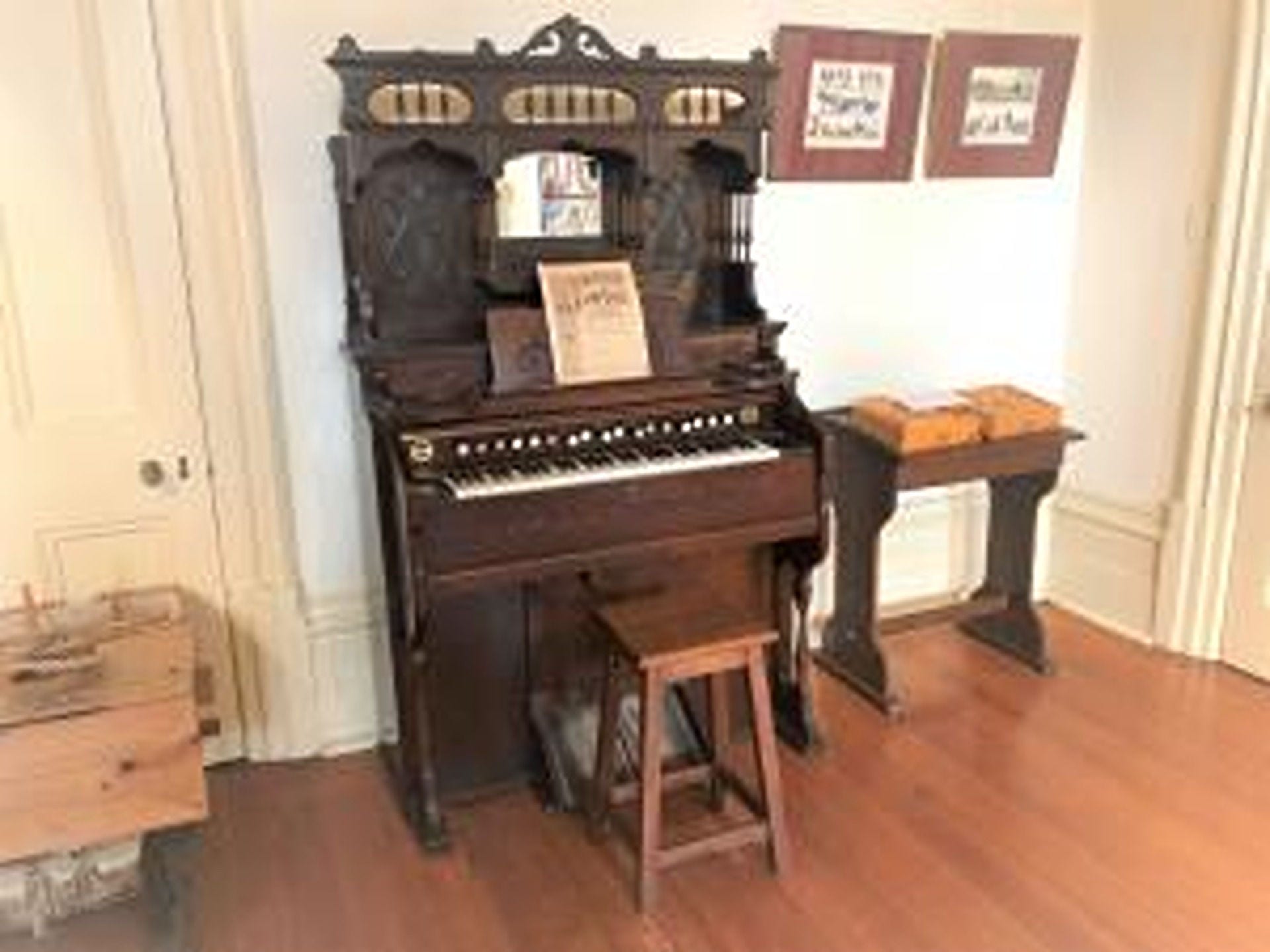
An 1890s Varley sewing machine is on display.

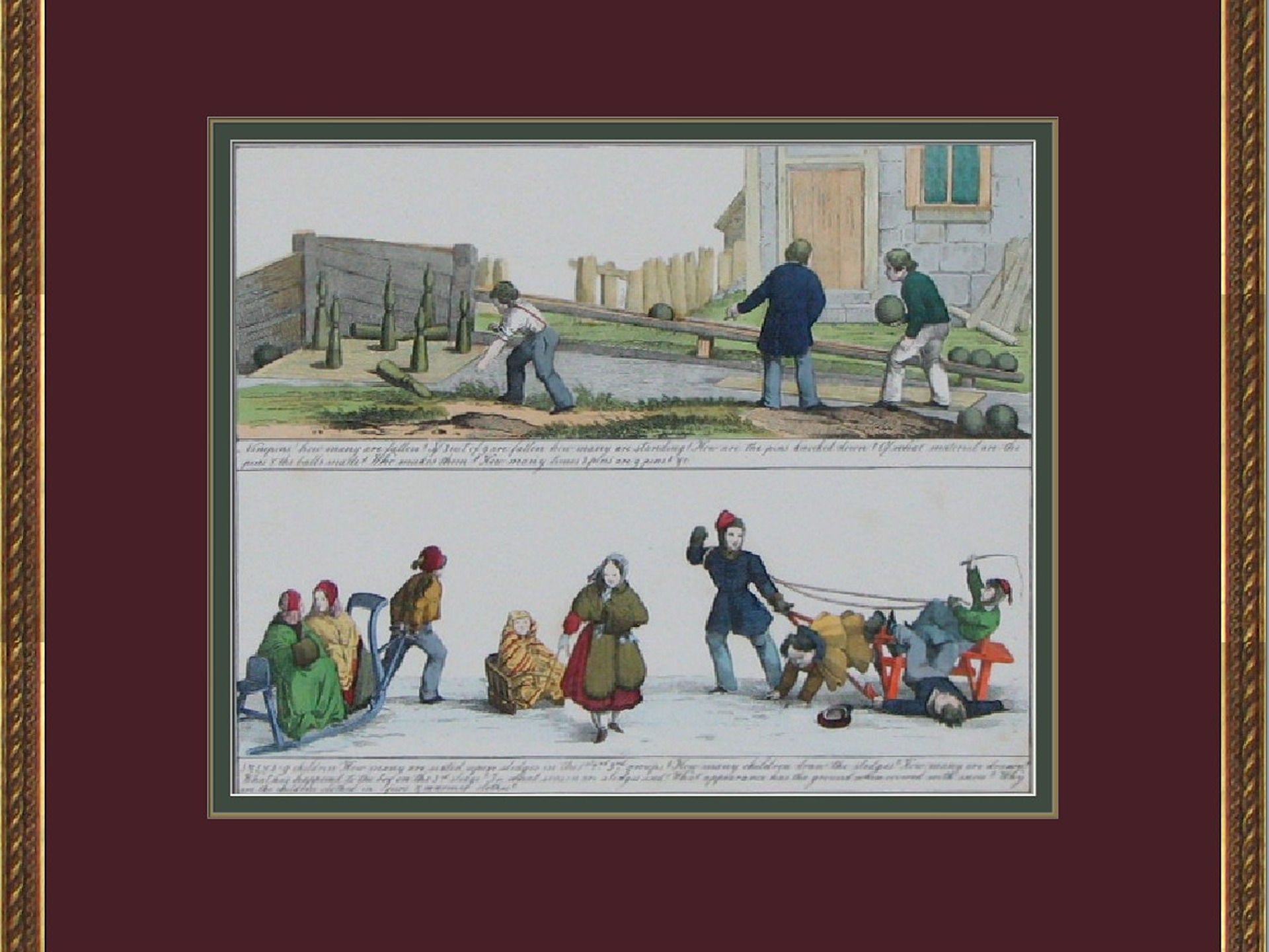
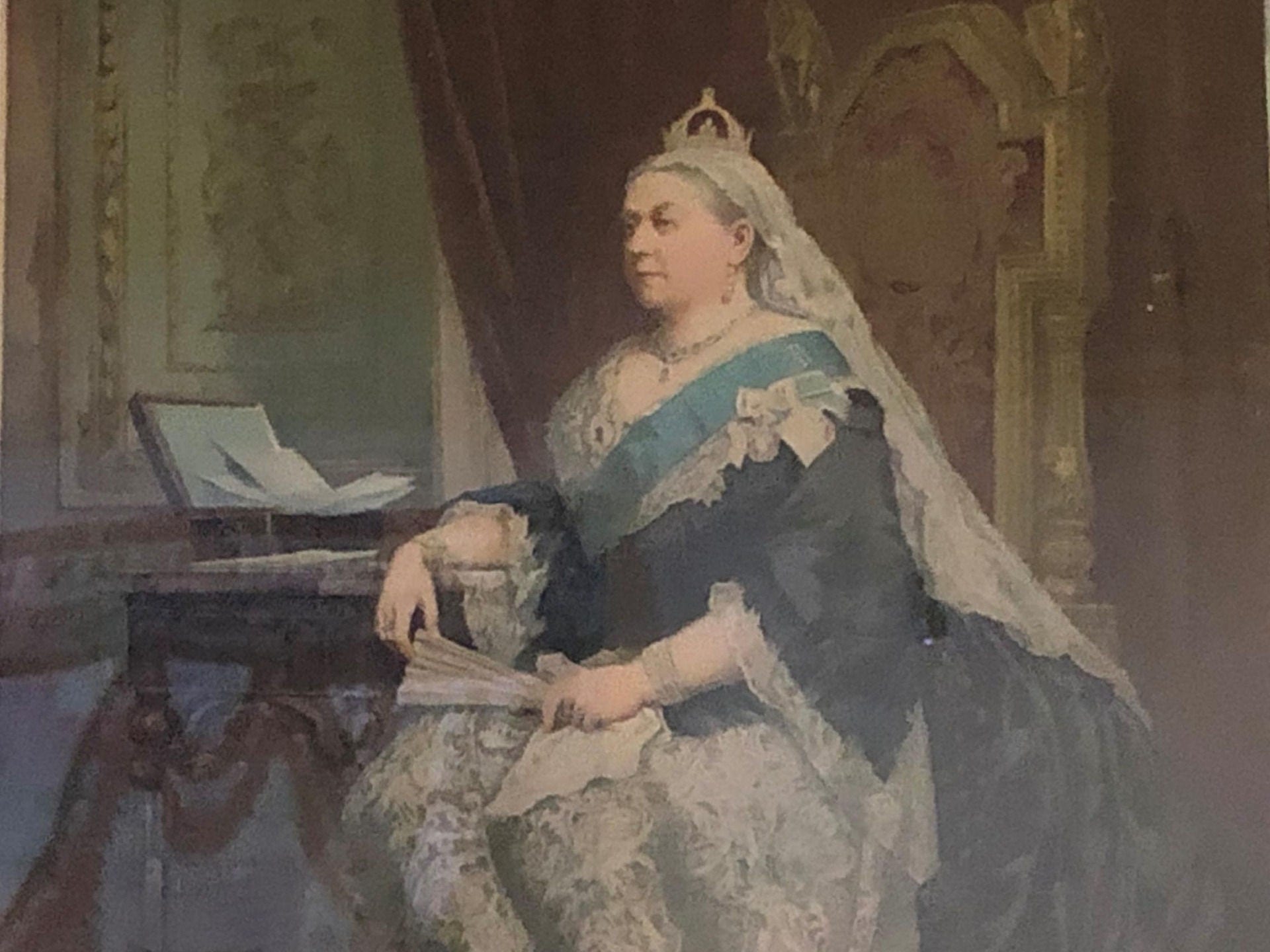
On the walls are an 1897 chromolithograph of Queen Victoria and 1864 engravings of pictorial lessons used by governesses for children’s education.

The school desks range in age, with two cast iron desks dating back to the 1880s.

School room
School room
School room

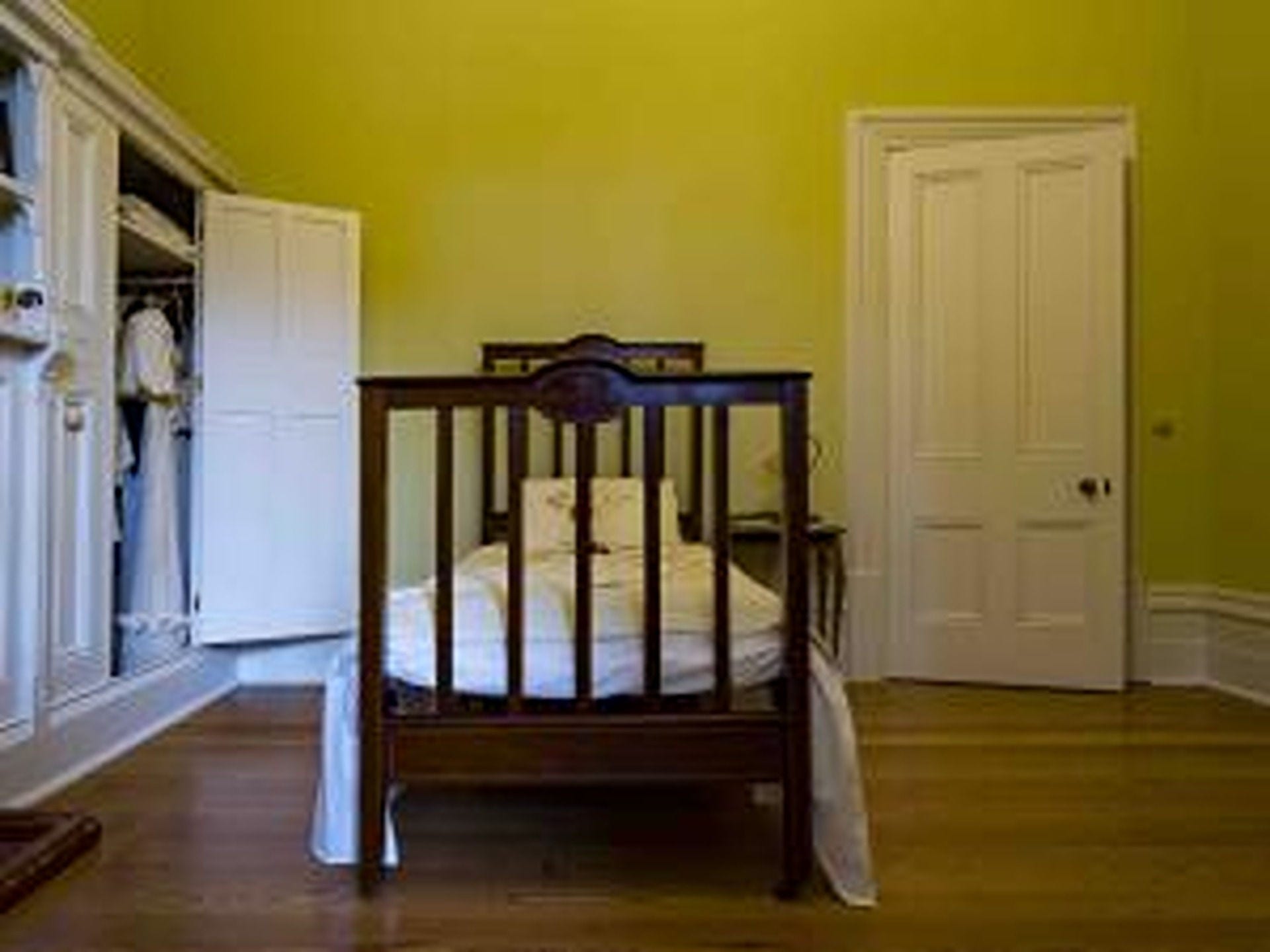
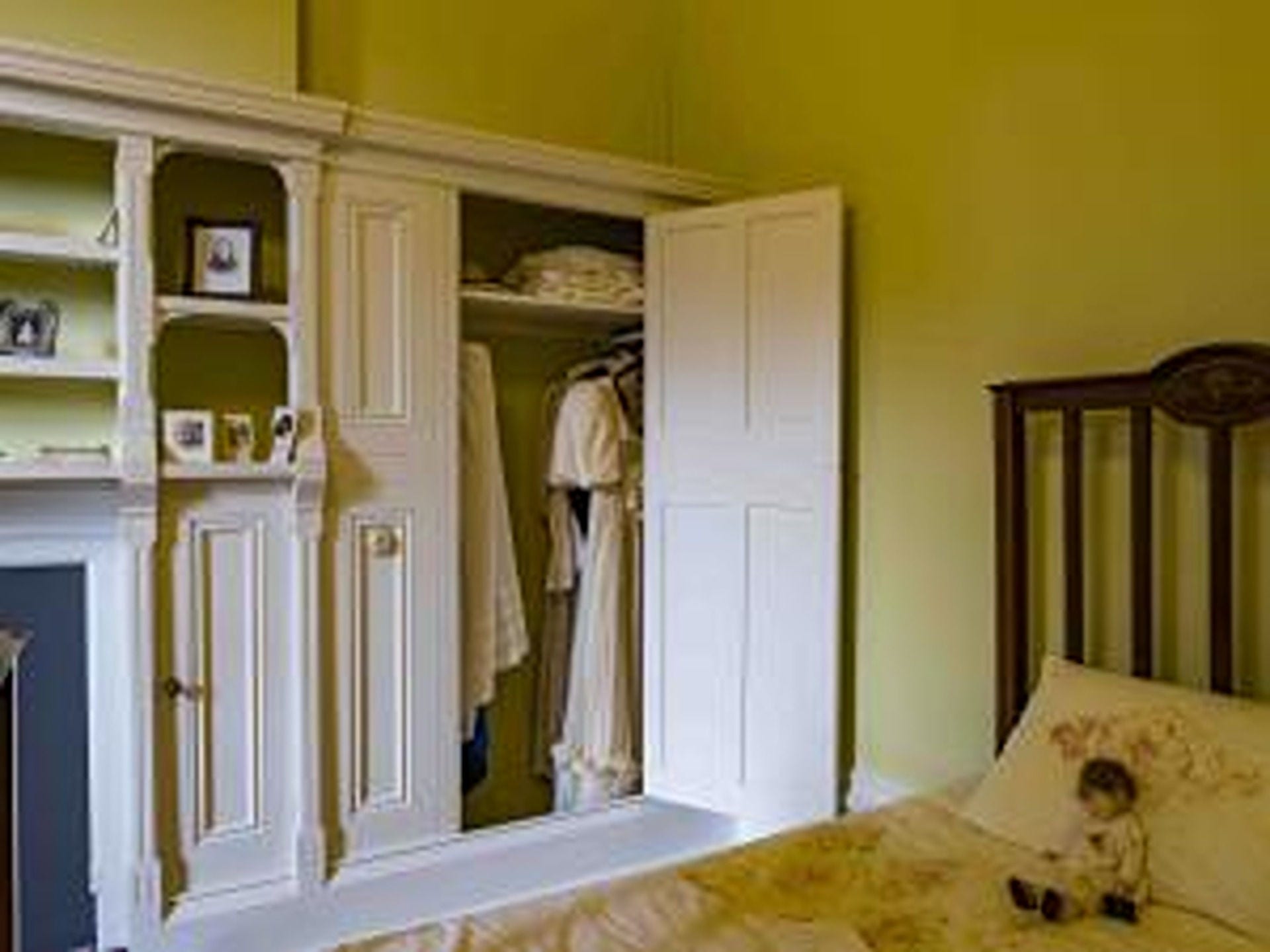
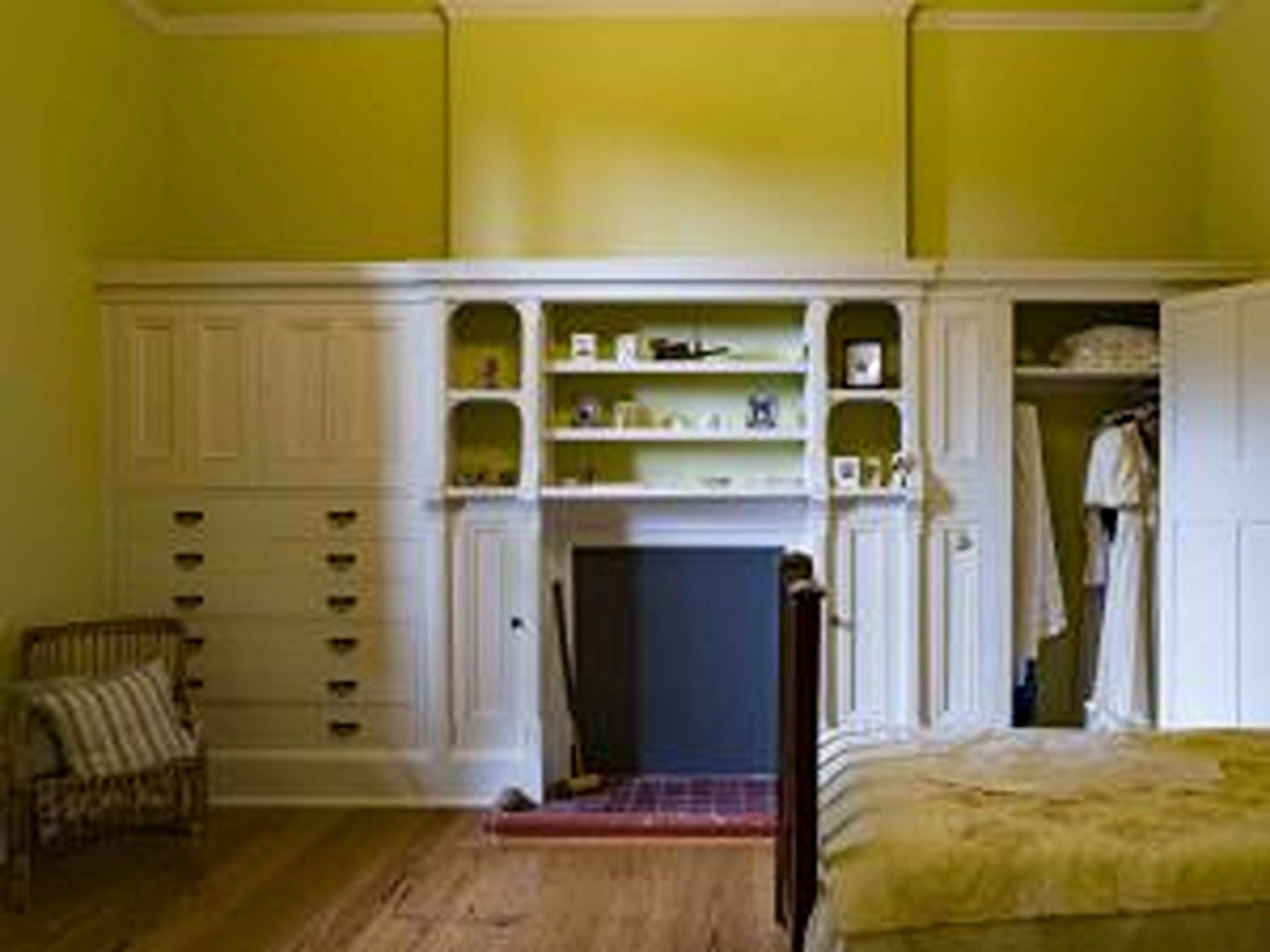
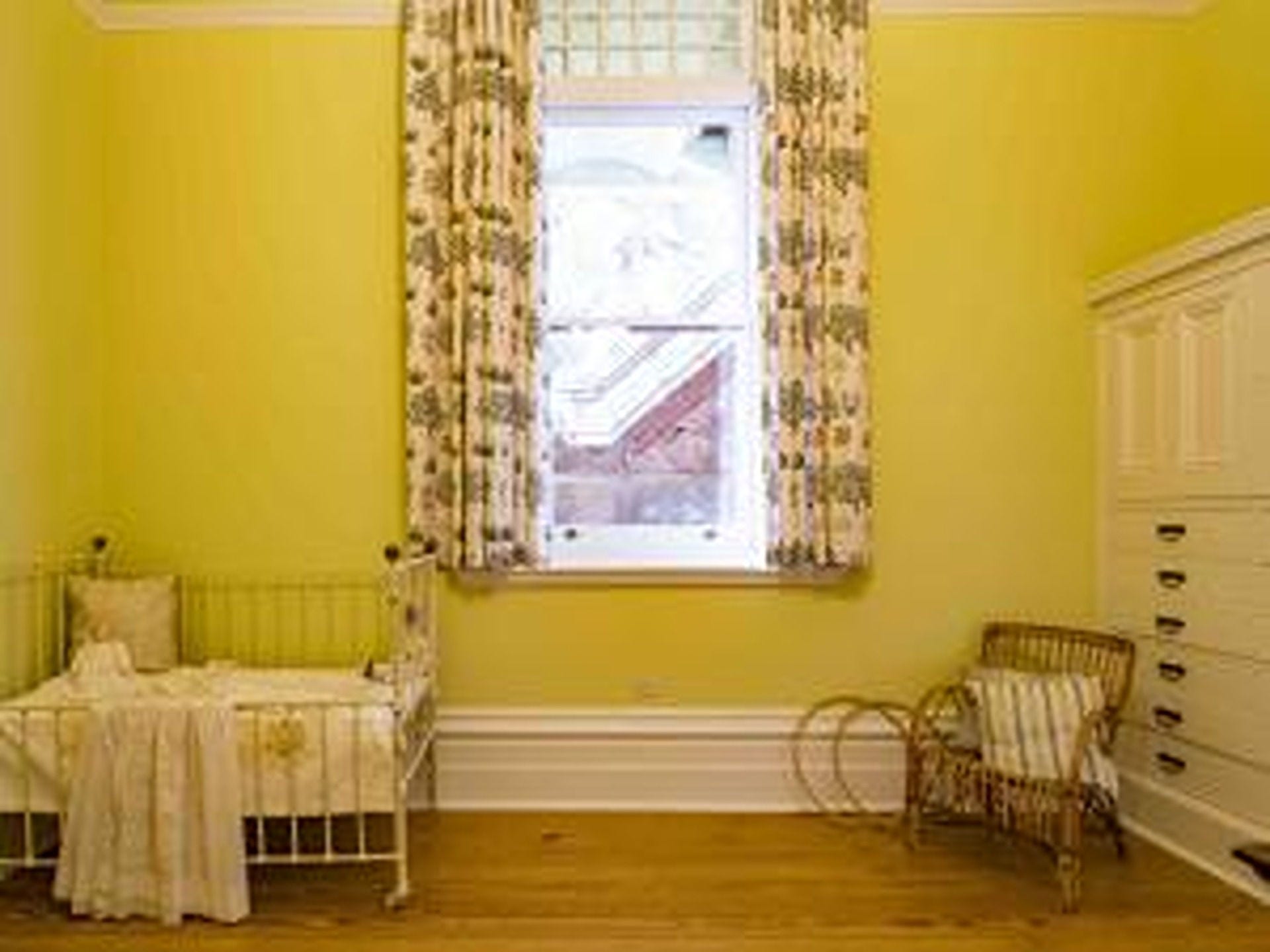
Eva's Bedroom

Originally one of the younger Waite daughters’ bedrooms, recent restoration of the room reflects Eva’s bedroom as it might have looked in 1892 when Eva was 12 years’ old.

As part of the restoration the original built in wardrobes were reinstated and house photographs of Waite children Eva, James and Agnes, as well as Victorian era antiques: stereograph, Calsbad (Austria) dressing table set, greeting cards and postcards, and English (c.1900) silver hairbrush and clothes brush.

The bed is an 1890s Sheridan revival child’s bed. Reproduction quilts on the bed and cot, and dolls dresses were made by Urrbrae House volunteer, Anne Rabone. Antique cotton nightdress and christening gowns are displayed on the bed and the cot (c.1900 donated by Kerin Williams).

Eva's Bedroom
Eva's Bedroom
Eva's Bedroom
Eva's Bedroom

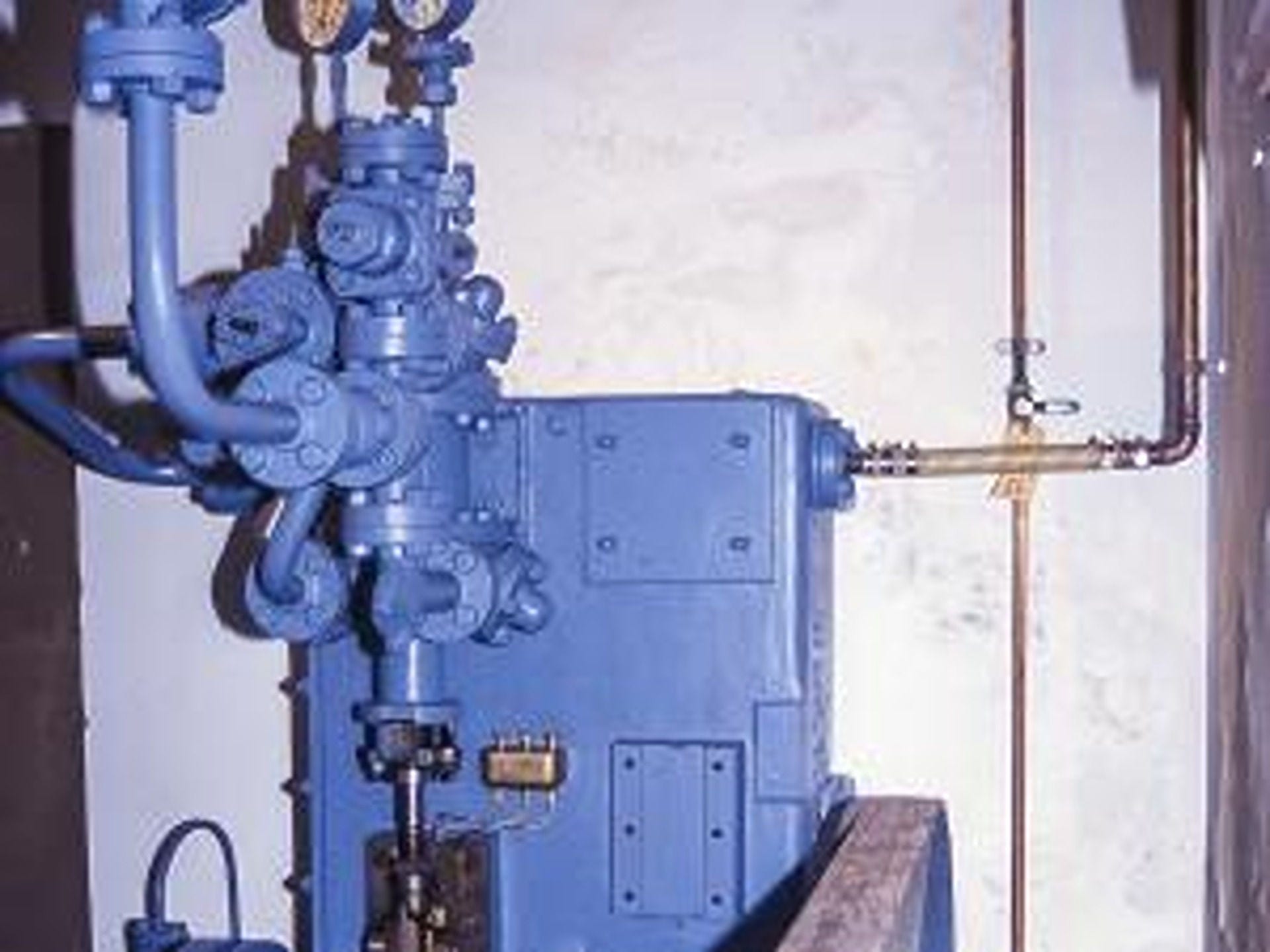
Refrigeration plant

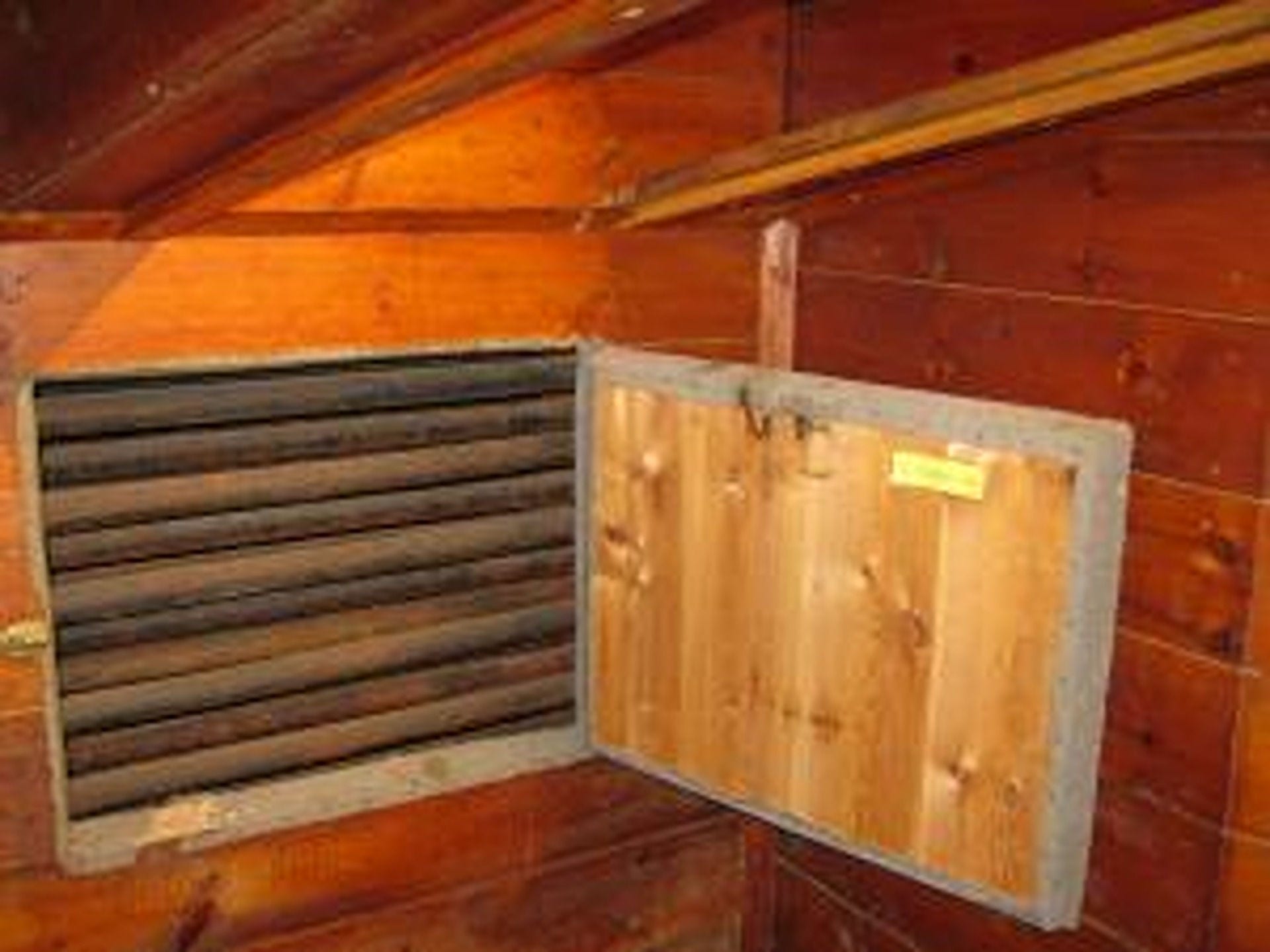
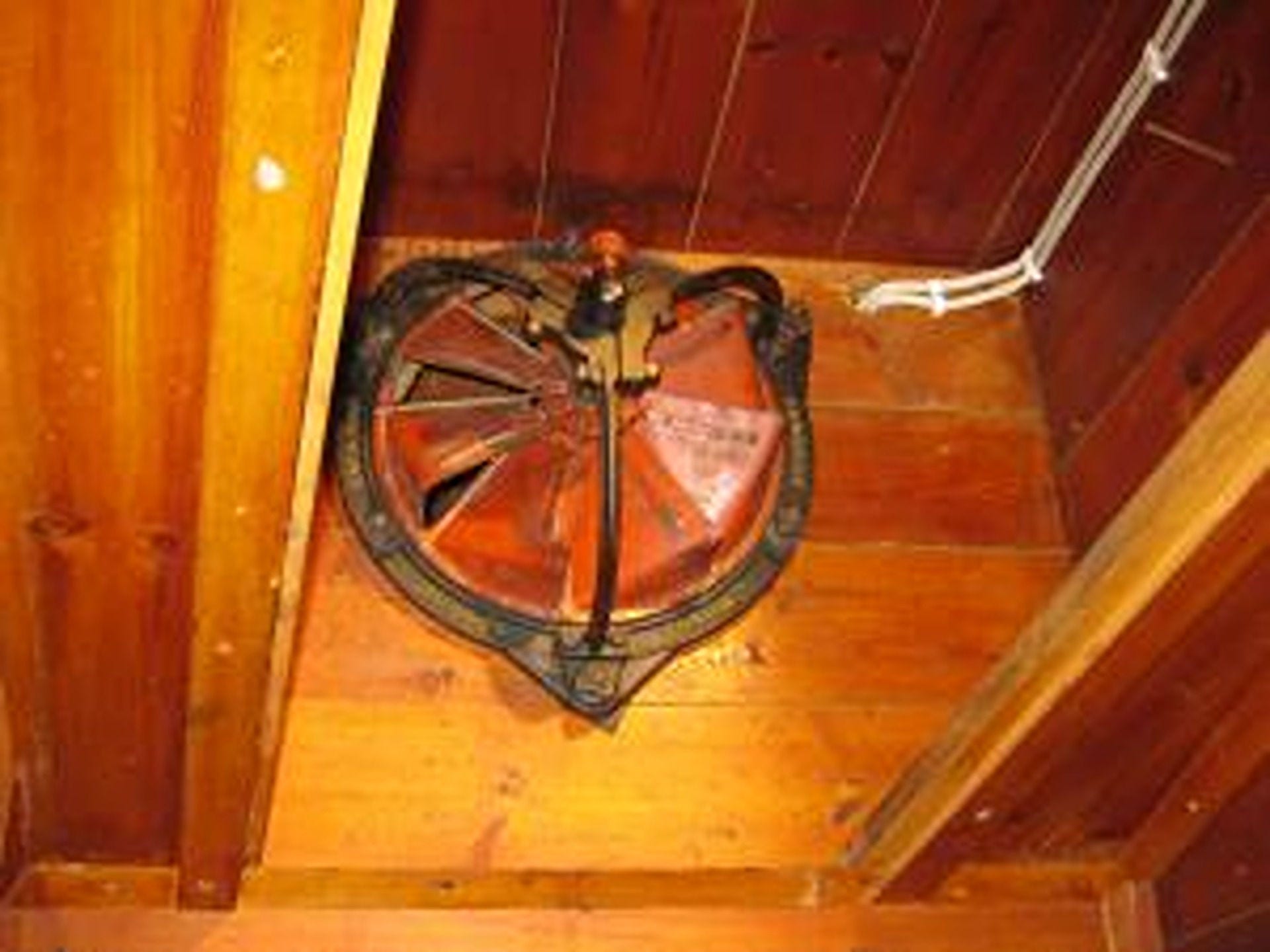
The Refrigeration Plant in the lower level of Urrbrae House was designed and installed by Wildridge & Sinclair of Sydney for Peter Waite in 1895. It was the first domestic walk-in refrigeration plant in Australia. The plant consists of four rooms:

  • plant room containing the compressor, electric motor and other equipment
  • freezer or chiller room and
  • two cold rooms. 

The Refrigeration Plant was first restored by a group of enthusiastic volunteers led by Ray White of White Refrigeration and Dr John Pickles in 1996. The Historic Engineering Marker plaque at the entrance to Urrbrae House recognises the Refrigeration Plant’s historical significance.

Salt-damp issues in the lower level of Urrbrae House necessitated the dismantling and storage of the Refrigeration Plant equipment in the mid-2000s. Regretfully, the Refrigeration Plant has not been open to the general public since that time.

Thanks to the generosity of the Beth Howard Bequest, remediation of the walls of the plant rooms and surrounding areas has been undertaken in 2024 and the historic equipment is being reinstated. Other plans include further conservation work of the chiller and cold rooms and re-opening the Refrigeration Plant for public viewing.

Refridgeration
Refridgeration
Refridgeration

Urrbrae House is an accredited museum and is utilised by Adelaide University for a variety of educational and cultural activities.

Urrbrae House is not a function centre. However, some of its public rooms and grounds are available for hire by the community. Please note that Urrbrae House is not available for hire during certain periods due to requirements by Adelaide University and other on-campus organisations.

To limit the wear and tear on the House and grounds, only one event booking is taken per weekend. Those hiring Urrbrae House and its gardens are asked to respect the site's unique setting, and its heritage furnishings and fixtures.

For community hire of Urrbrae House and its Gardens

Please phone 8313 7497 for bookings and more information, or email urrbraehouse@adelaide.edu.au.

Urrbrae House Rooms available for hire

Urrbrae House

Total maximum capacity = 100

The Main Hall, Drawing Room, Dining Room and Ballroom can be used for events such as exhibition openings, book launches, concerts, talks and low impact gatherings. Spaces within Urrbrae House may also be used for filming/photoshoots. When planning your event, please note that heritage furniture in the Urrbrae House museum cannot be moved. Please also be aware that the building is not air-conditioned.

Main Hall

Capacity = 45

Suitable for stand-up events such as networking functions, drinks and nibbles events, and small displays. For larger events it may be booked in conjunction with the adjacent Drawing Room.

Drawing Room

Capacity = 55

The Drawing Room, which overlooks the Croquet Lawn, can accommodate medium size groups for concerts, talks and meetings. It may also be used for exhibitions.

Dining Room

Seated capacity = 18

The room, which overlooks the Urrbrae House 20th Century Rose Garden, can accommodate small groups only. It can also be used for planning days, meetings and seminars. Please note that the room does not have fixed data point access but a portable AV unit and screen are available for use. Because of its heritage furnishings, it is not suitable for meetings where large poster displays need to be erected.

Ballroom

Seated capacity = 80

The Ballroom is situated on the lower level of the House and can accommodate medium size groups for concerts, talks and meetings. For health and safety reasons, it is not possible to serve food and drink in the Ballroom. Due to the heritage nature of the house, the Ballroom is only accessible by stairs.

Regretfully, we are unable to accommodate wedding ceremonies or receptions. Those looking for a wedding venue may find the following link to alternate venues useful: Wedding SA.


Should you need to cancel your booking after the signed contract and deposit have been received, your deposit will be retained by Urrbrae House. 

Please note that food and drink provision must also comply with SA Government Covid Safe requirements. 

Where food is to be provided during an event, a professional caterer must be used for health and safety reasons. We do not provide catering for functions, but the Urrbrae House Co-ordinator is able to supply the names of caterers who have previously catered events in Urrbrae House.

At the end of an event, caterers are expected to leave the Urrbrae House kitchen, back porch and bin area in the same state as they were prior to the event.

Caterers and/or professional serving staff are required to clear away all glasses and crockery used during the event from Urrbrae House and its gardens. Glass left in the gardens is a particular safety hazard because of public access to these areas. Please note that Urrbrae House has only a small number of bins available for rubbish disposal; additional arrangements for rubbish disposal may need to be made for larger events. At the conclusion of an event the hirer of Urrbrae House and/or its gardens must leave the house and/or gardens in a condition that meets with the approval of Urrbrae House Co-ordinator.

Due to the constraints mentioned above, regretfully we are unable to accommodate wedding ceremonies, wedding receptions or funerals at Urrbrae House and gardens.

Urrbrae House and gardens are available for wedding photography bookings; charges apply. Please send wedding photography enquiries to urrbraehouse@adelaide.edu.au

Those looking for a wedding venue may find the following link to alternate venues useful: Wedding SA

If any damage is caused to Urrbrae House and/or its grounds, including furniture, equipment and the gardens during an event, the hirer will be charged for all repairs. Any attendee of an event who causes deliberate damage to Urrbrae House and/or its grounds, exhibits indecent behaviour or displays a substantial breach of decorum will be required to leave the event. 

For health and safety reasons all portable electrical equipment used in Urrbrae House and its grounds must be tagged to visually confirm that the equipment has been tested and complies with the requirements of Australian Standard AS 3000 or any replacement or amended standard.

It is the responsibility of the hirer of Urrbrae House and its grounds to ensure that third parties employed by the hirer (such as caterers, technical staff, etc) make sure that their equipment also meets this requirement.

Please note that as of 1 January 2011 Adelade University Waite Campus became a smoke-free environment. This includes all buildings, facilities, and outdoor areas including gardens and carparks. Smoking is therefore not permitted in Urrbrae House or its surrounding gardens. 

The Dining Room which overlooks the Urrbrae House 20th Century Rose Garden can accommodate small groups only. The room can also be used for planning days, meetings and seminars. Please note that the room does not have data point access and because of its heritage furnishings is not suitable for meetings where large poster displays need to be erected. 

While Urrbrae House staff can assist with securing certain items within Urrbrae House, the hirer is responsible for the security of all personal belongings and valuables brought into Urrbrae House. 

Please note that Urrbrae House is not a licensed venue. If you intend to serve alcohol at your event, you will need to be responsible for obtaining a Short Term Limited Liquor licence (if required) by the Office of Liquor and Gaming.

Read about short term liquor licenses

Because of the number of stairs in Urrbrae House, young children attending events must be closely supervised by an accompanying adult.

Primary schools

Past and present

Our interactive history Schools’ Program is designed to enable primary school students to step back into the recreated world of colonial South Australia in 1892. This is an excursion option for a class of up to 30 students with our costumed guides taking students through a range of nineteenth century hands-on activities in the historic house. The Program is usually offered on Wednesday mornings from March to November.

Together with the educational activities and resources on our website, our Program may assist teachers and students with the following areas of the Australian Curriculum in the Humanities and Social Sciences:

  • How my world is different from the past and can change in the future (Year 1)
  • Australian communities – their past, present and possible futures (Year 5)

While at Urrbrae House students may discover answers to such questions as:

  • What was it like to be a lady or gentleman visiting the wealthy pastoralist Mr Peter Waite and his wife Matilda, the owners of the grand Urrbrae House built in 1891?
  • What sort of school lessons did Victorian children have?
  • What was it like to be a servant in South Australia in 1892?
  • What new technologies were changing people’s lives at the end of the nineteenth century?
  • How was life different in colonial South Australia in the nineteenth century compared to today?

All of our staff and volunteers have Working with Children Check (WWCO) screening. There is a charge of $228.80 (includes GST) per class or $150.15 (includes GST) per equity class (Public Schools’ Index of Educational Disadvantage Category 1-4 school) for the program in 2026.

If you wish to request a booking please download and complete the Booking Request form, and email to urrbraehouse@adelaide.edu.au

Other enquiries email: urrbraehouse@adelaide.edu.au

Testimonials

My favourite bit was the morning tea and writing with the ink pens. This was the best excursion I've been on. Master Solomon, Black Forest Primary School.

We played Croquet, had a tour around the house, ate delicious food and dressed up in very lady like clothes; as soon as I stepped into the house, I knew I was going to enjoy it from the very start... I also wish I lived there! Miss Constance, Bellevue Heights Primary School.

Primary school
Primary school
Primary school

Secondary schools

Free, specialised tours of historic Urrbrae House for groups of secondary school students can be made by appointment only during school terms. Please allow at least 75-90 minutes for a visit to Urrbrae House.

Aspects that can be covered in a tour, tailored for your group of up to 35 students include:

  • The life of the Waite family from the 1860s through to 1922

  • The physical and cultural heritage of the house, and the Adelaide University Waite campus

  • South Australian social history in the late Victorian and early Edwardian eras.

Tours may be of particular interest for those undertaking subjects such as Humanities and Social Sciences, History, Creative Writing, and Art and Design.  All of our guides have Working With Children Checks.

Please email Lynette Zeitz, Manager and historian, for more information lynette.zeitz@adelaide.edu.au


secondary school

Short videos about Urrbrae House and its history, can be found on our YouTube channel.

Activities and worksheets

Most of our activities and worksheets have been designed for primary school students in Years 4-6. Some activities may be suitable for younger children.

Colour Urrbrae House - Year 1

A simple colouring sheet designed for junior primary students.

Copperplate handwriting

A simple exercise sheet designed for students to practice their traditional Copperplate cursive handwriting.

Copybook – Year 1

Miss Victoria’s copybook from our Urrbrae House Schoolroom. Copperplate handwriting exercise and colouring page for junior primary students.

Copybook – Years 4-6

Miss Victoria’s Advanced copybook from our Urrbrae House Schoolroom. Copperplate handwriting exercise with Victorian era riddles for primary school students.

Make a Victorian Peg Doll

An art and craft project. Wooden peg dolls are easy to make and were very popular in the nineteenth century amongst both rich and poor people. Even Princess (later Queen) Victoria had her own collection of these types of dolls which she made and decorated herself.

Make your own Thaumatrope

An art and craft project. A thaumatrope was a popular toy in the nineteenth century. A disk or card with a different yet combining picture on each side is attached to two pieces of string. When the strings are twirled quickly between the fingers the two pictures appear to combine into a single image due to a phenomenon called “persistence of vision”.

Matilda arrives in Adelaide

A comprehension and creative writing exercise. A brief history of Matilda Waite (nee Methuen) is provided. Students are asked to write a diary as if they are Matilda coming to Adelaide, South Australia on the "City of Adelaide" clipper ship in 1864 and then journeying to Paratoo station.

Money in 1892

This worksheet introduces and asks questions about the Pound Sterling Standard form of currency which was adopted from Britain and used in the Australian colonies in the nineteenth century.

Paper bead making

A craft activity. In the nineteenth century many ladies created handmade paper beads from scraps of wallpaper rolled on knitting needles. Watch our short video to learn how to make these beads today.

Scientific copybook

Miss Victoria’s Scientific copybook from our Urrbrae House Schoolroom. Botanical drawing and copperplate handwriting exercise designed for primary school students. In the nineteenth century when photography was new and very expensive, scientists relied on detailed drawings to identify plants.

Shrimp through the maze

Students have to find a path for Peter Waite’s dog, Shrimp, through a maze puzzle.

Who are you?

A worksheet designed to encourage students to think about how living in the past might have been different to today.  Students answer questions about who they are in the present day and asked to imagine answers to the same questions if they were one of the Waite children.

Word Search 1892

Students are asked to find hidden words about the Waite family and their history in this puzzle.

Online activities

Make your own Victorian Toy Theatre Toy

Theatres were a popular form of entertainment in the nineteenth century. In the United Kingdom, you could buy plays to put on in your toy theatres. This Pollock’s Toy Theatre, from the BBC UK, is a genuine Victorian theatre complete with stage, scenery and characters.

Make your own Victorian Paper Flowers

Victorians loved to use paper flowers as decorations. There are hundreds of articles from the magazines of the time showing how to make different types of flowers. Most were highly elaborate designs, but this site from BBC UK, provides a simple rose flower for a first attempt.

Make your own Victorian Keepsake Box

Making presents was a sign of love and care in the nineteenth century. Gifts could take a year to finish. This keepsake box, from the BBC UK, is made using a popular Victorian technique, papier mache, which was even used to create pieces of furniture.

activities and worksheets

Victorian era websites

Social history of the later Victorian era (1860 - 1901)

Websites with interactive activities for primary school children relating to the Victorian era and its social history.

National Museum Australia, Canberra

Gold Rush game
A good introduction to life on the Australian goldfields. Students need to think clearly and strategically, as well as gaining a hearty dose of good luck, to win at this decision-maker game set in 1850-1900.

BBC, United Kingdom

Dress a Victorian (and Tudor) game
Two games where students have to correctly dress a Victorian (and Tudor) lady and gentleman.

Muck and Brass
In this game a student imagines they are running a city at the height of the Industrial Revolution in Great Britain, and they make choices regarding the welfare of their workforce and the prosperity of their business. The game highlights the differences in conditions for rich and poor in the nineteenth century.
Domestic life and cooking in Victorian times.

English Heritage, United Kingdom

Watch The Victorian Way
Educational videos recreating servants’ work and lives at Audley End House and Gardens.

Victoria era

19th Century toys

Educational and activity-based websites on nineteenth century toys and pastimes for children.

Powerhouse Museum – Australia

The museum website features a searchable database of photographs of their collection objects including nineteenth century toys. Below is just a sample of some of the toys we have sourced for you:

Children’s Literature Research Collection – State Library of South Australia

Other links

Great 19th Century European Wooden Toys, All About Old Toys

This pictorial site features toys from France and Germany in the 19th Century including antique dollhouses and dolls.

Noah’s Arks, All About Old Toys

A photographic history and interesting facts about Noah’s Ark wooden toys.

All About ….Victorian Toys, Chertsey Museum, UK

Photographs and short histories of various toys from the Victorian era.

History of Punch and Judy

A comprehensive history of Punch and Judy by Judith Lile, with illustrations, photographs and some lines from the famous puppet show.

Dolls, Victoria and Albert Museum of Childhood, London, UK 

The Museum of Childhood holds the largest collection of dolls in the United Kingdom and examples of Victorian era dolls can be viewed on their website.

Photographs 1880-1900

South Australian Photographs 1880- 1900 - State Library of South Australia

  • Adelaide: Early views of Adelaide [B 71003/1-15] Various views from 1849 - 1892.

  • Beaches: Glenelg [B6041] Beach scene during December on Proclamation Day in 1892 at Glenelg. Many spectators and horse drawn carriages line the beach seeking shade. The jetty is full of people enjoying the celebrations of Proclamation Day. Many small boats and two ships are steaming past the jetty.

  • Children: Children from local Angaston families [B57460]. The photograph provides good examples of children's clothing in 1895. 

  • Children: Studio view [PRG 280/1/2/519] of a small boy wearing a lace trimmed dress and holding a toy cart in 1895.

  • Fire Fighting: Fire Brigade [BRG 347/822] Fire Brigade possibly outside Mount Gambier Fire Station. 

  • Fire Fighting: Wakefield Street [B7399] The Metropolitan Fire Brigade on the south side of Wakefield Street, 30 September 1892. You can see some girls playing on the right-hand side of the photograph.

  • Music: Musical group, Torrens Park ballroom [PRG 742] Large musical group in about 1890 in the Torrens Park ballroom at Mitcham (the home of Robert and Joanna Barr Smith.) 

  • Railways: Railway Station, Adelaide [B1725] Adelaide Railway Station, showing the station year, looking west from the Overway Bridge in 1889. A small locomotive steams past men loading their horse drawn carts with firewood.

  • Railways: Gawler rail ticket [B421126] Memento ticket for first train ride to Gawler from Adelaide on the first locomotive manufactured in South Australia by James Martin and Co. in 11 April 1890.  

  • Railways: Railway Station, Adelaide [B1723] A morning train has arrived and people leaving the station are walking across North Terrace in 1889.  

  • Railways: Railway Station, Adelaide [B1727] The workshop in the Adelaide Roadway year in 1889. The machinery is driven by a complex system of belts and pulleys which distribute power from a steam engine. 

  • Telegraph and Newspapers: Grenfell Street , Adelaide [PRG 742/5/17] Grenfell Street, Adelaide, viewed from King William Street in about 1883. The 'Register' newspaper building is seen in the centre with its tower. In the foreground is a telegraph pole showing the insulators and the web of wires over the street.

photograph

Child safe environment

Our commitment to the safety of children and young people

All children and young people who come to the Urrbrae House Historic Precinct at Adelaide University have a right to feel and be safe.

Urrbrae House is committed to maintaining a respectful and protective environment where children can participate safe from harm in learning, teaching and research experiences. We want children and young people who participate in our programs and activities to feel safe and to have fun while learning. 

In addition to following the Adelaide University’s Safe Environments for Children and Vulnerable People Policy, Urrbrae House has a local area Code of Conduct and Risk Management Plan in place to assist staff and volunteers in minimising risks to the safety of children and young people while at Urrbrae House.

child safe environment

Collections held within the Urrbrae House Historic Precinct include House Furniture and Artefacts, Peter Waite Library Books and the historic Waite Scientific Collection. Photographs and archival materials relating to the Waite Agricultural Research Institute are also held.

The Urrbrae House Historic Precinct (UHHP) and its collections are part of Adelaide University. The UHHP follows the University’s Collection Management Policy and Procedures.

The UHHP Collections Policy is a local area policy which sits within the broader Adelaide University Arts and Heritage framework.   

collections
collections

Gallery

Gallery
gallery
gallery
gallery
gallery
gallery
gallery
gallery
gallery
gallery
gallery
gallery
gallery
gallery
gallery
gallery
gallery
gallery
gallery
gallery

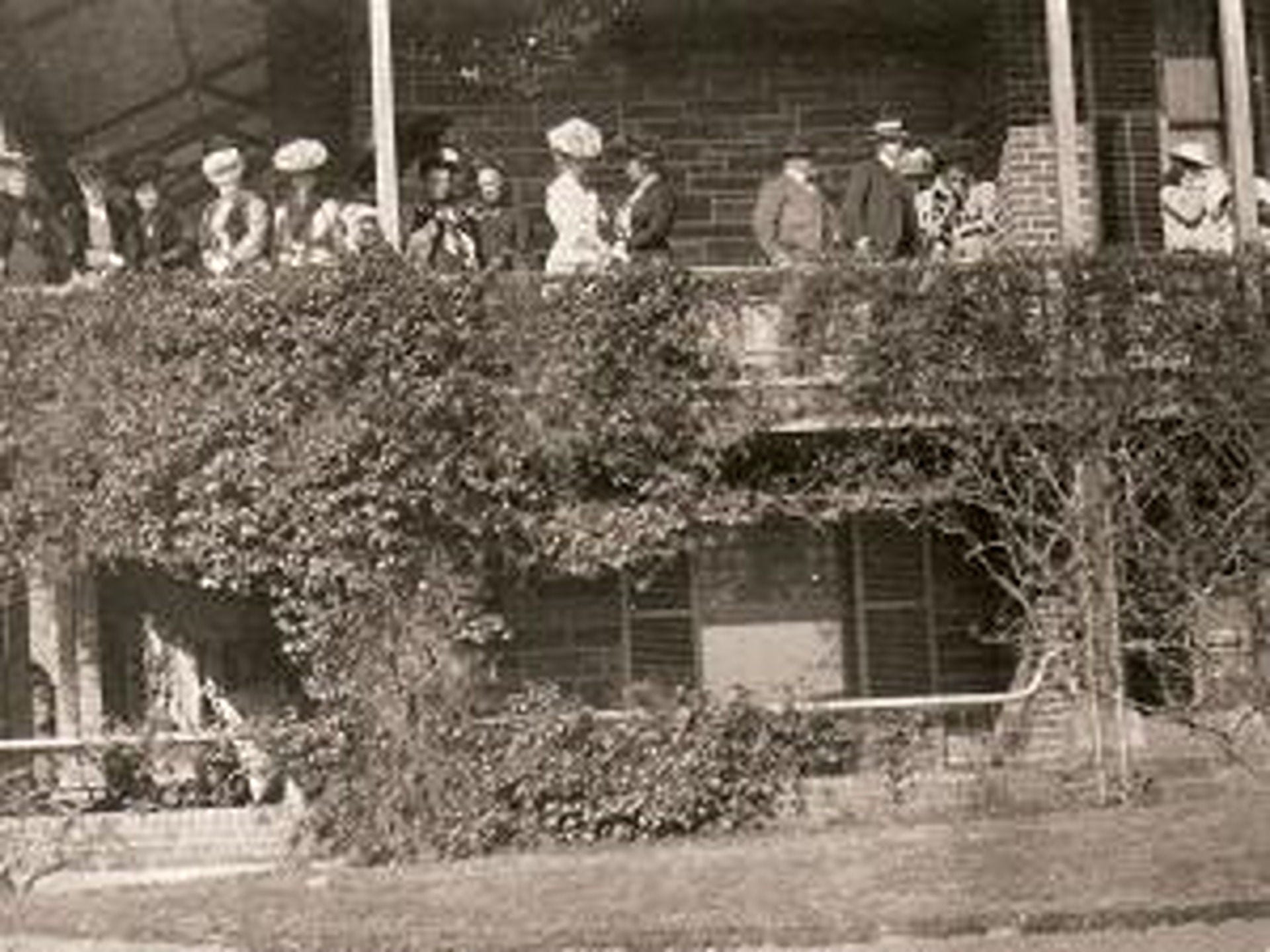
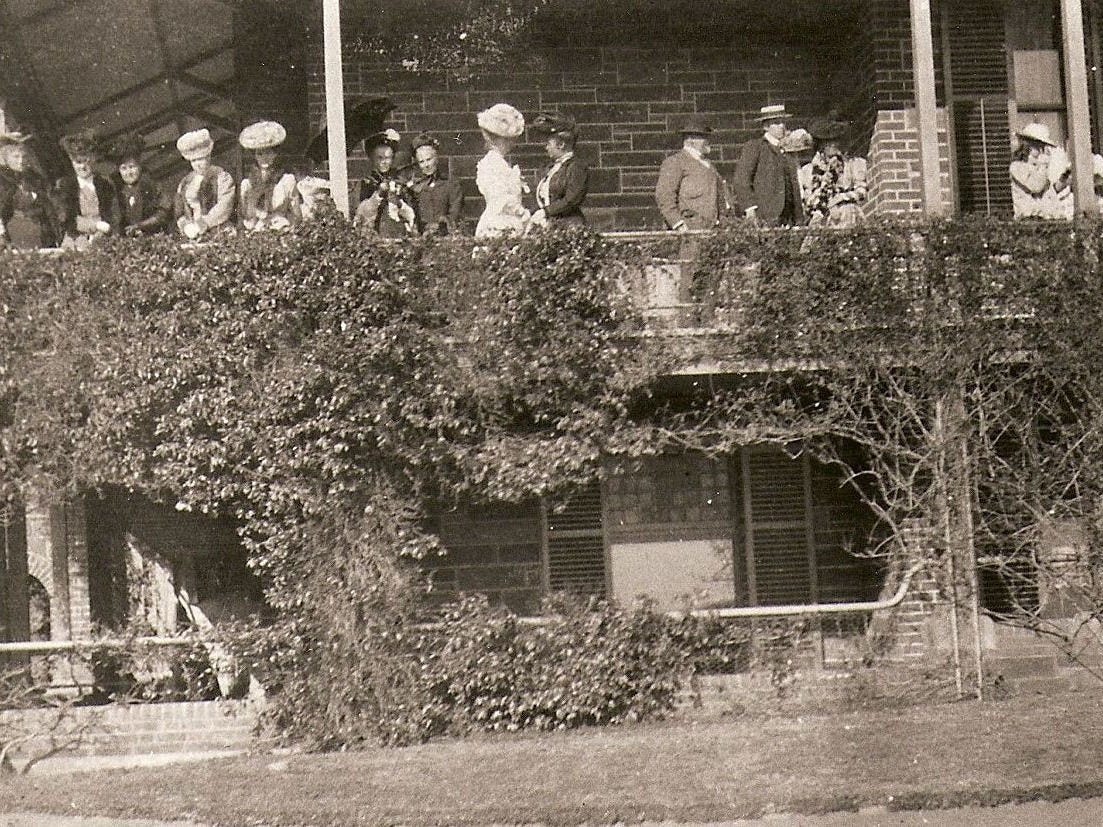
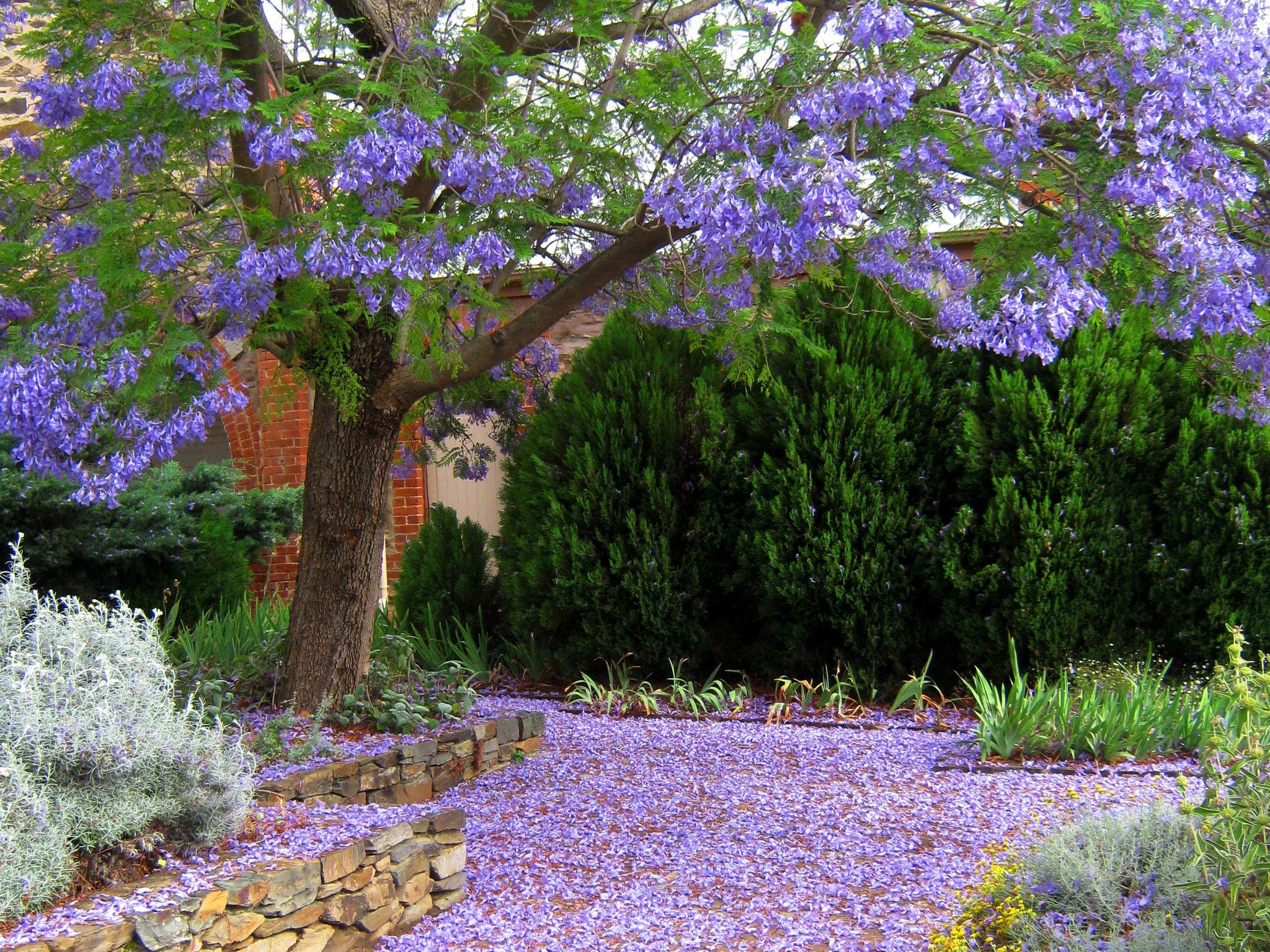
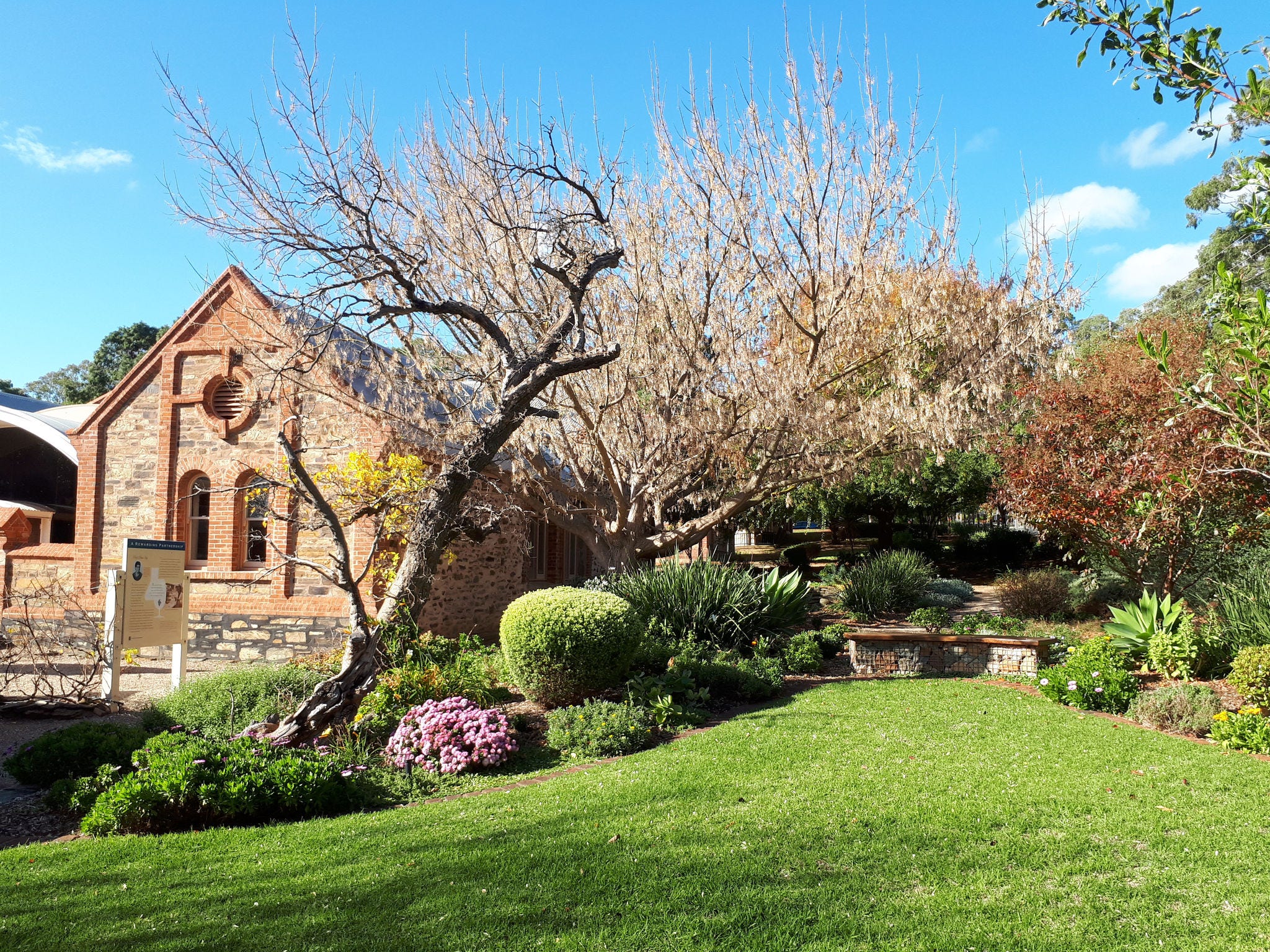
In Peter Waite’s time, the Urrbrae House gardens featured a Croquet Lawn, often used for Adelaide Hunt Club events, a Lavender Walk, a Rose Arbour extending to Claremont Avenue, a Tennis Court and Pavilion, a Wild Garden, Eva’s Garden, and an Orchard of over a hundred trees. Linked by roses, the gardens evolved from a formal Victorian layout into a more romantic design with formal lines that contrasted with the house’s innovative ‘Arts and Crafts’ style. Largely separated from the house by a driveway and hedge, the gardens were likely intended to be viewed from the veranda. 

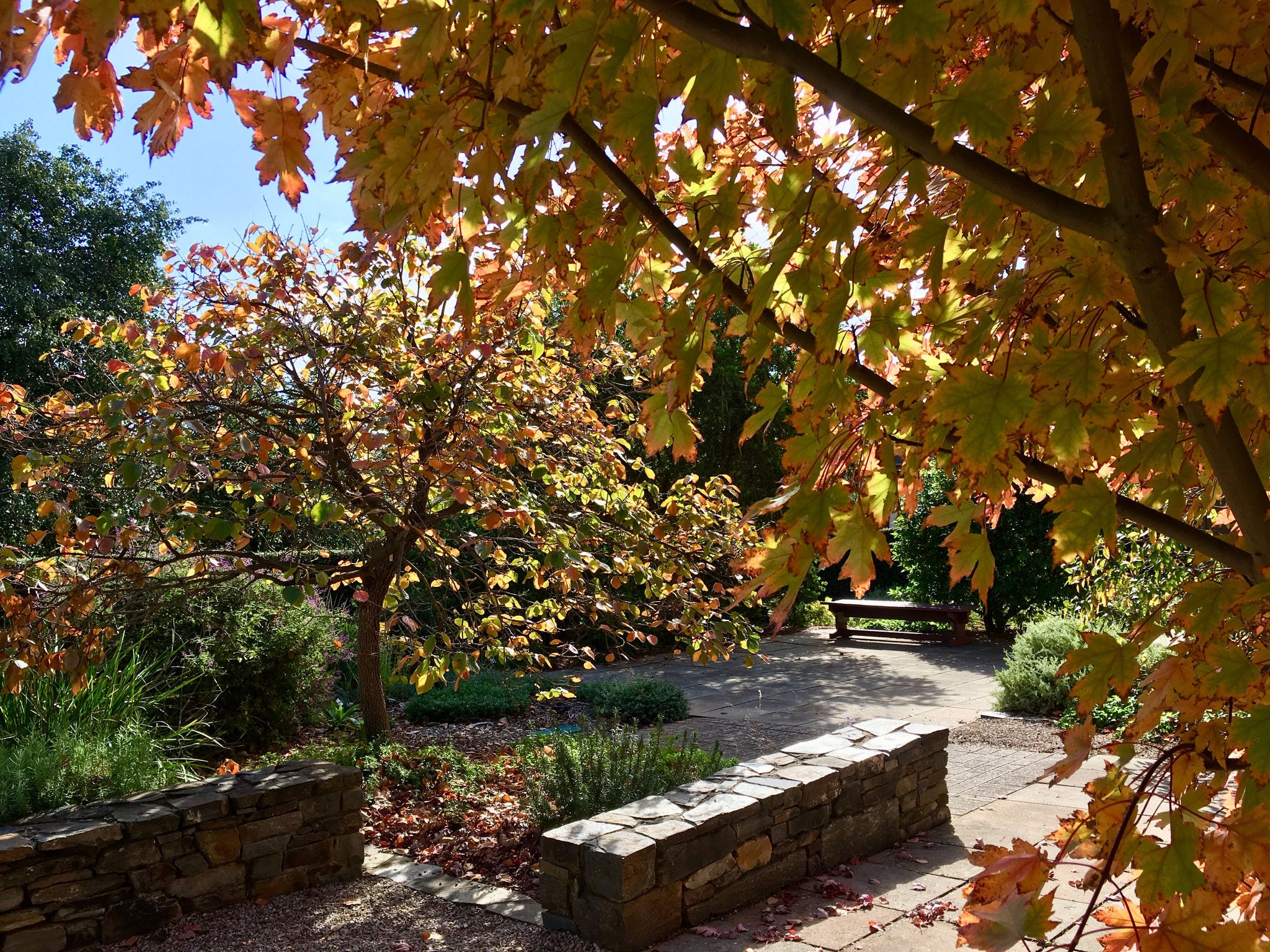
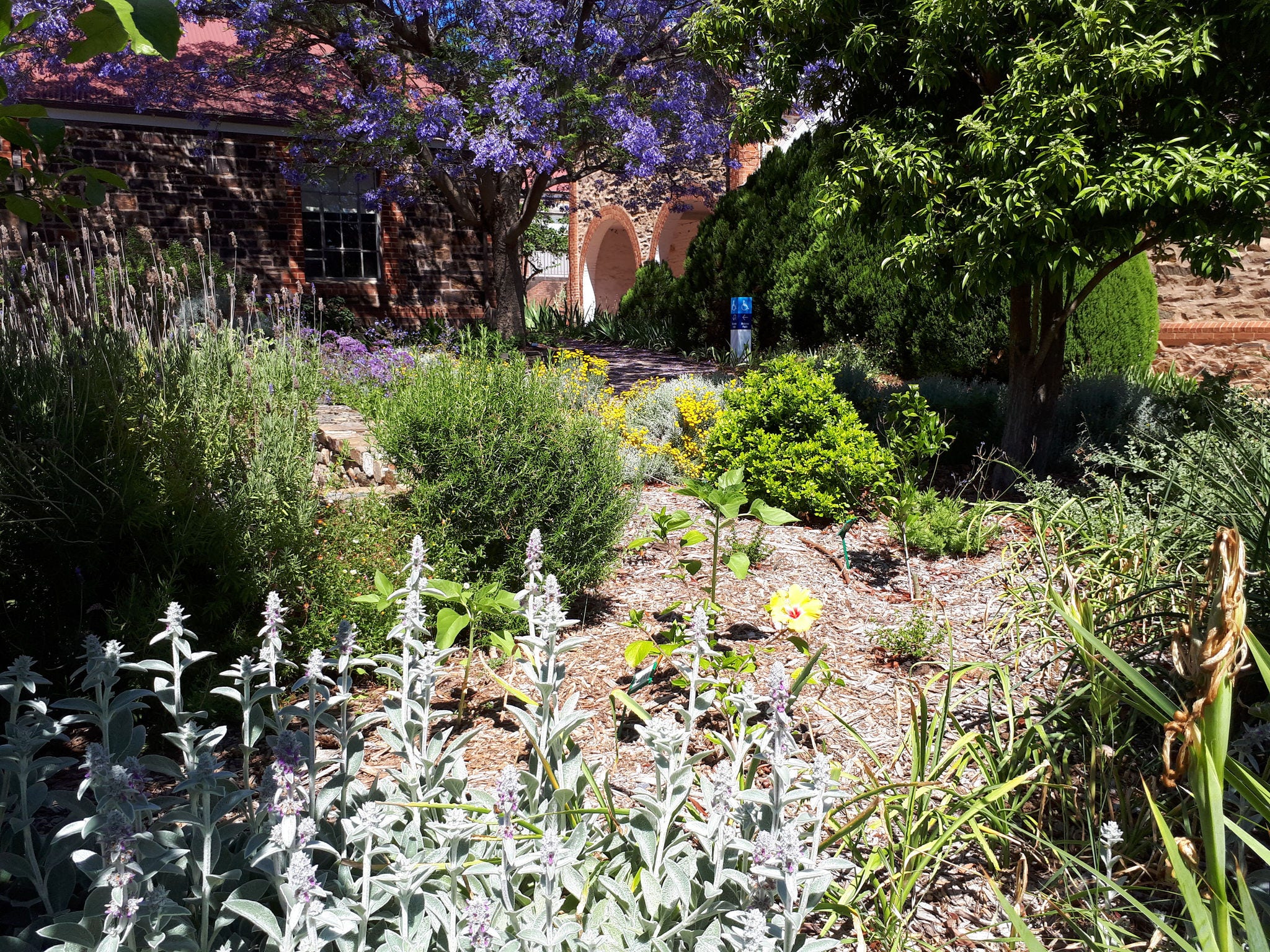
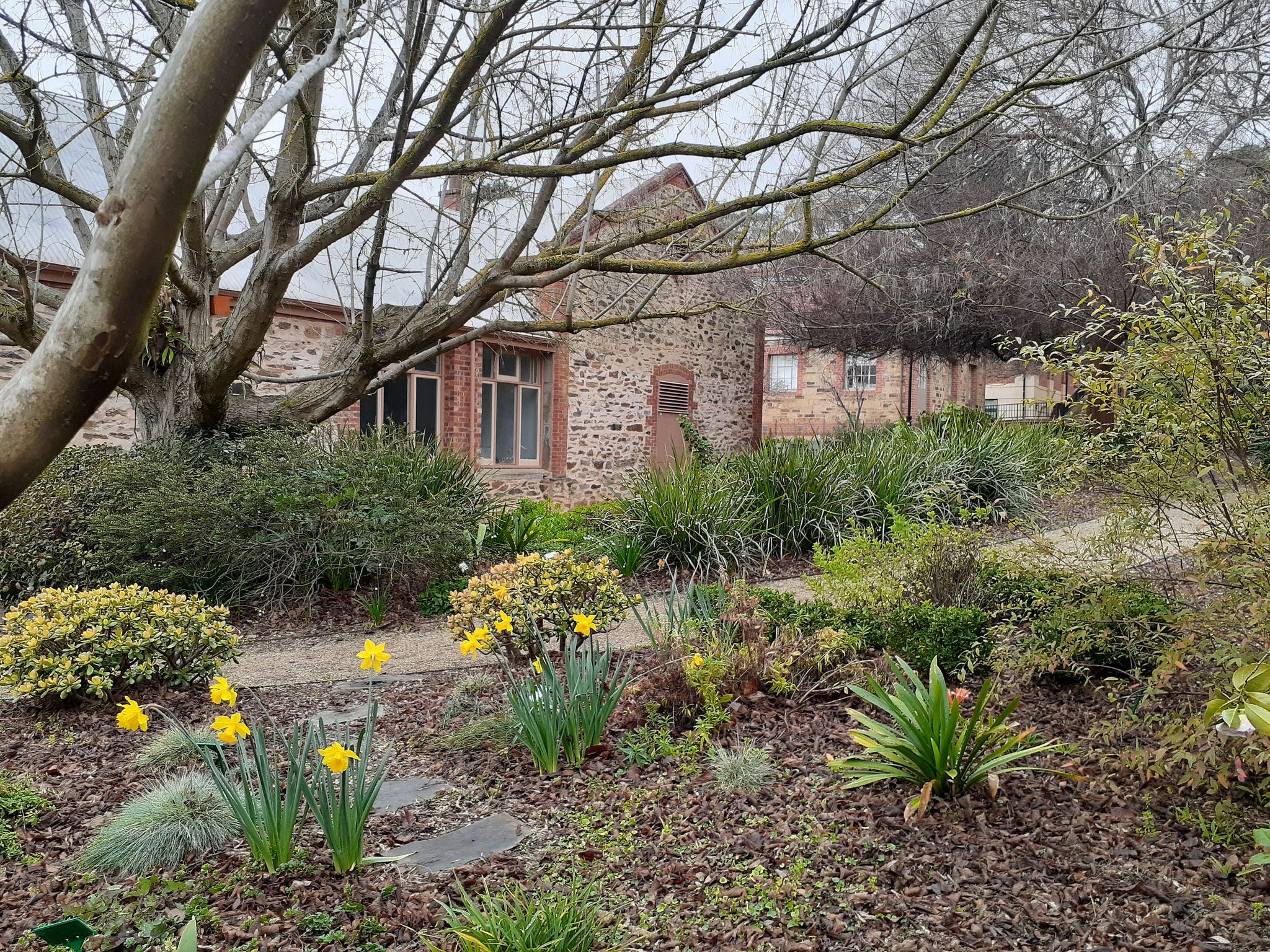
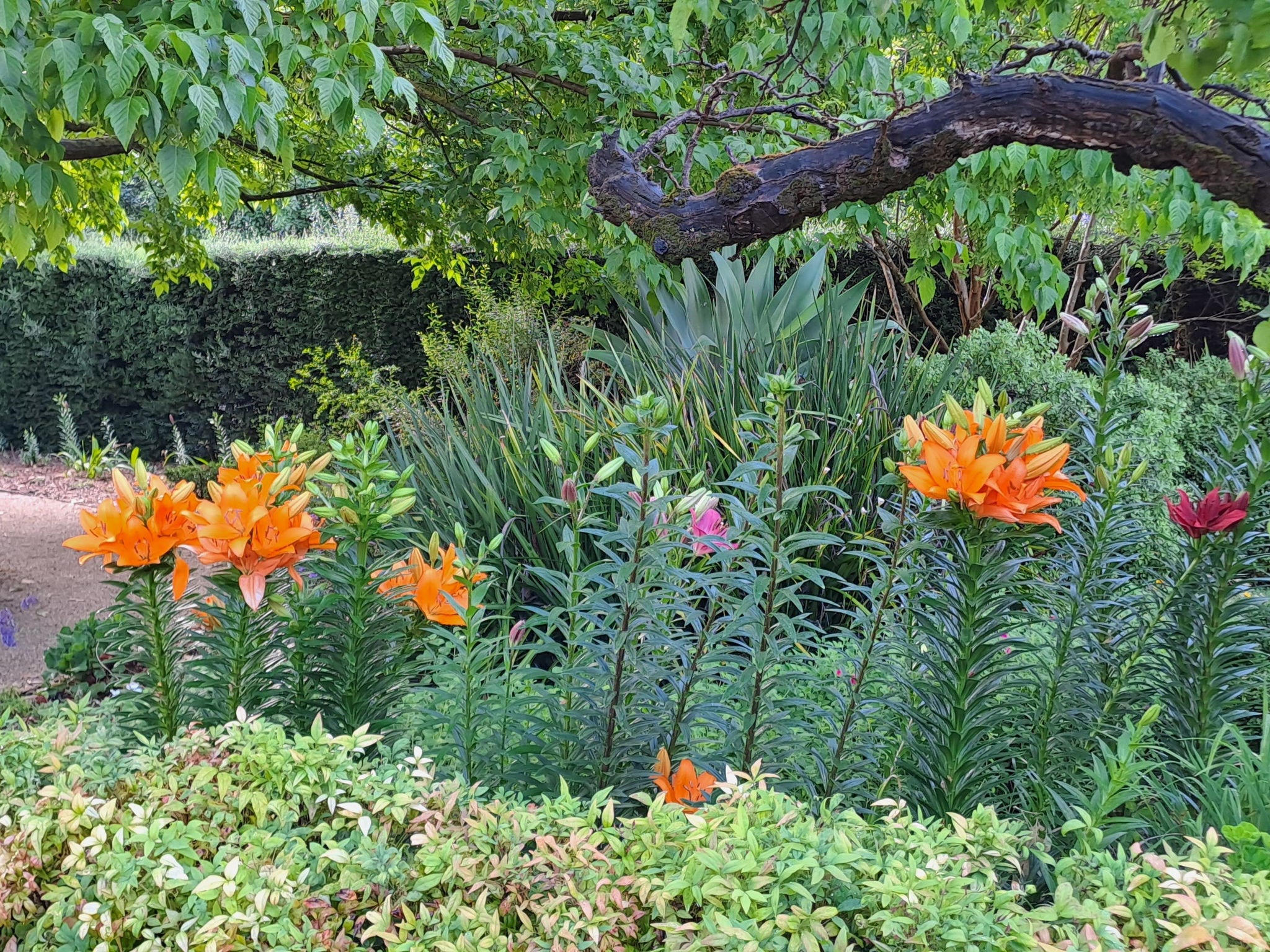
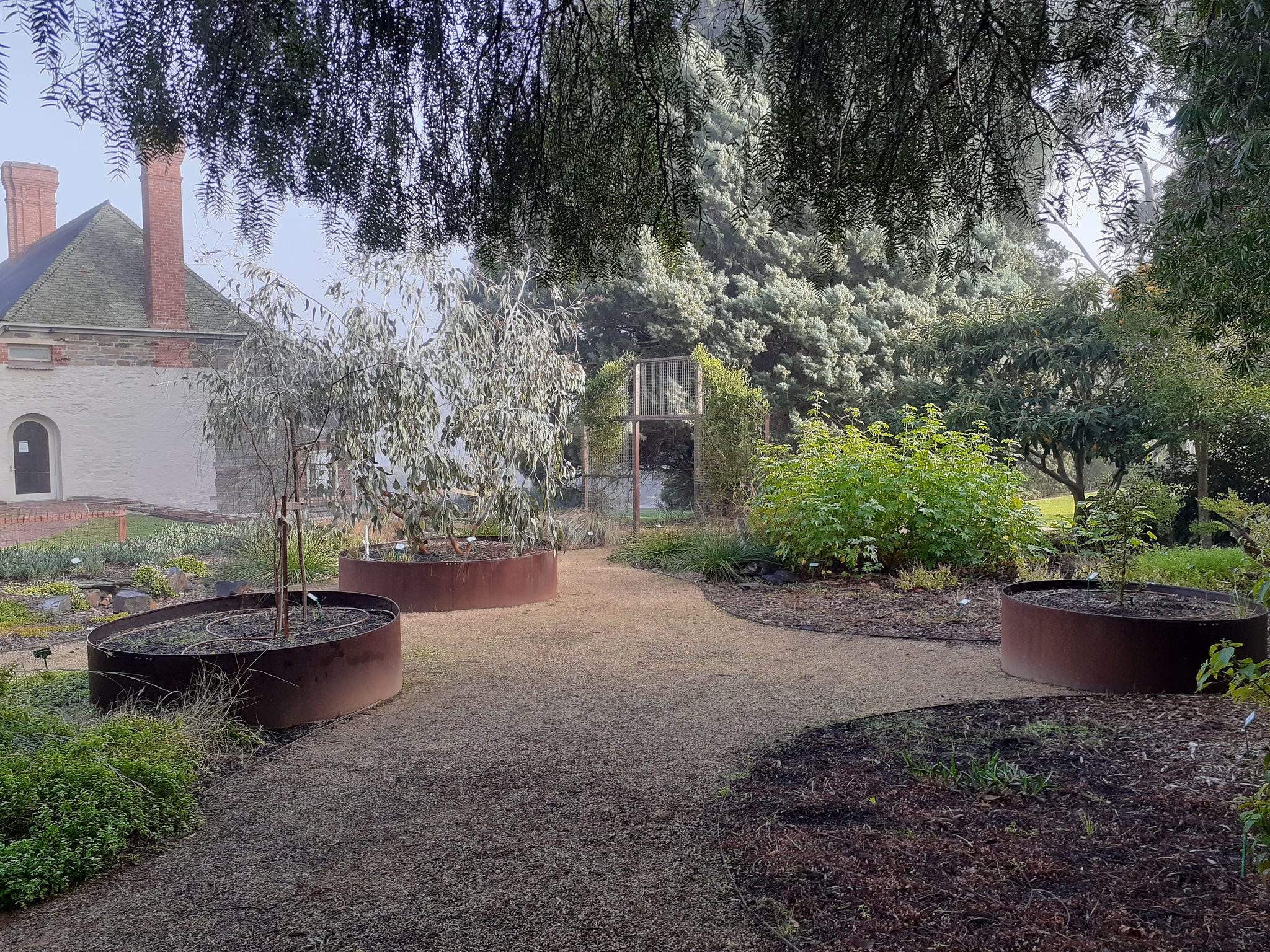
Today the gardens at Urrbrae House are a fusion of past, present and future, representing the legacy of Peter Waite and the scientific achievements of many people over the last 100 years. Redesigned by landscape designer Viesturs Cielens in collaboration with architect Susan Phillips, and artist Berenice Carrington, the interlinked thematic gardens express the essence of the Urrbrae House Historic Precinct and are jointly managed by the Waite Arboretum and Urrbrae House, with continued input from staff, volunteers, and community groups.

Open from dawn until dusk every day except on Christmas Day and during Fire Ban Days in the metropolitan and Mount Lofty Ranges fire districts. Urrbrae House carpark is closed. The toilet facilities block in the gardens is closed. Entry is free. 

Recreational, student and not-for-profit photography of our beautiful gardens is encouraged. Commercial photography requires permission and may incur a fee. Contact Urrbrae House office for more details.


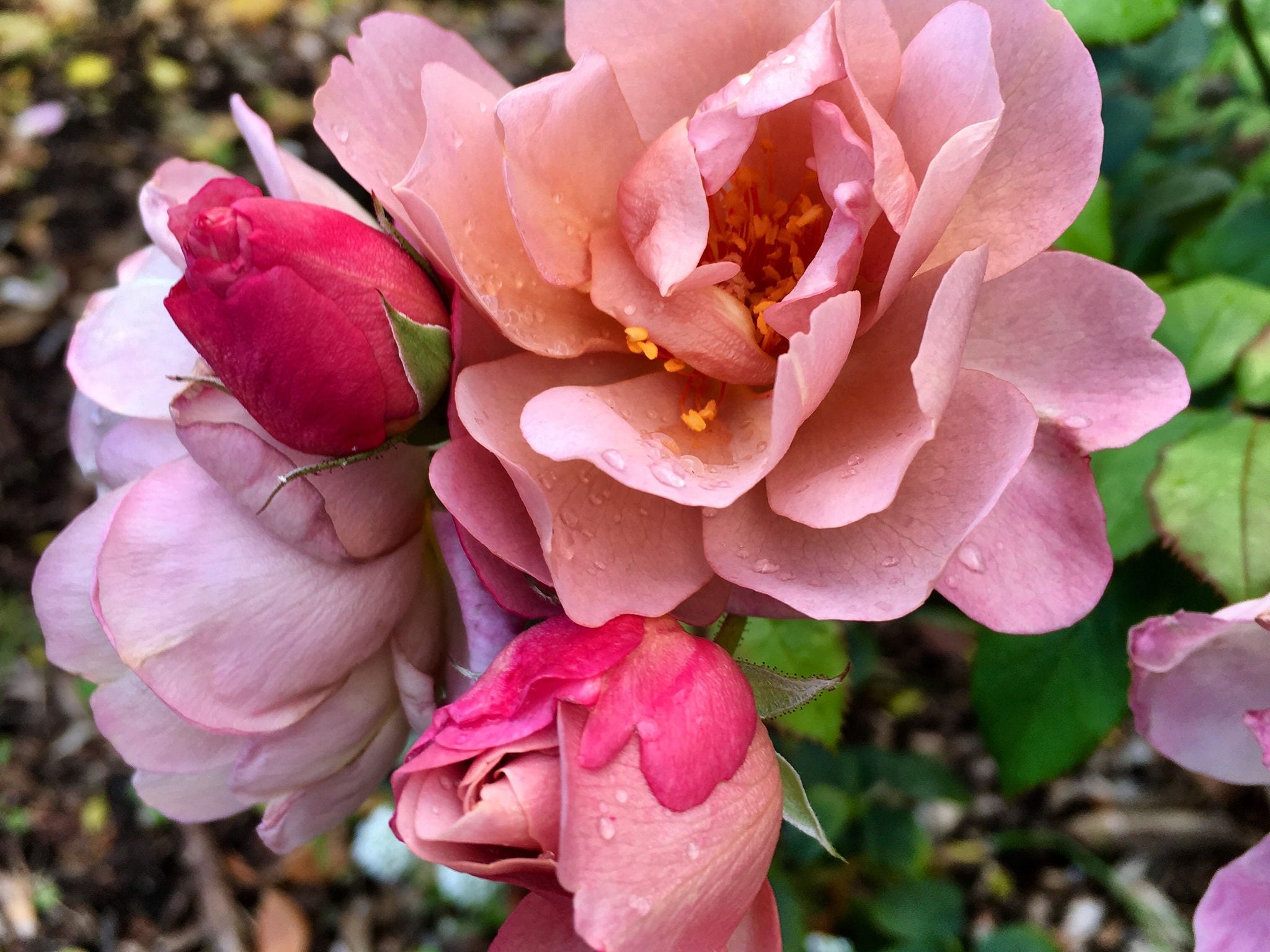
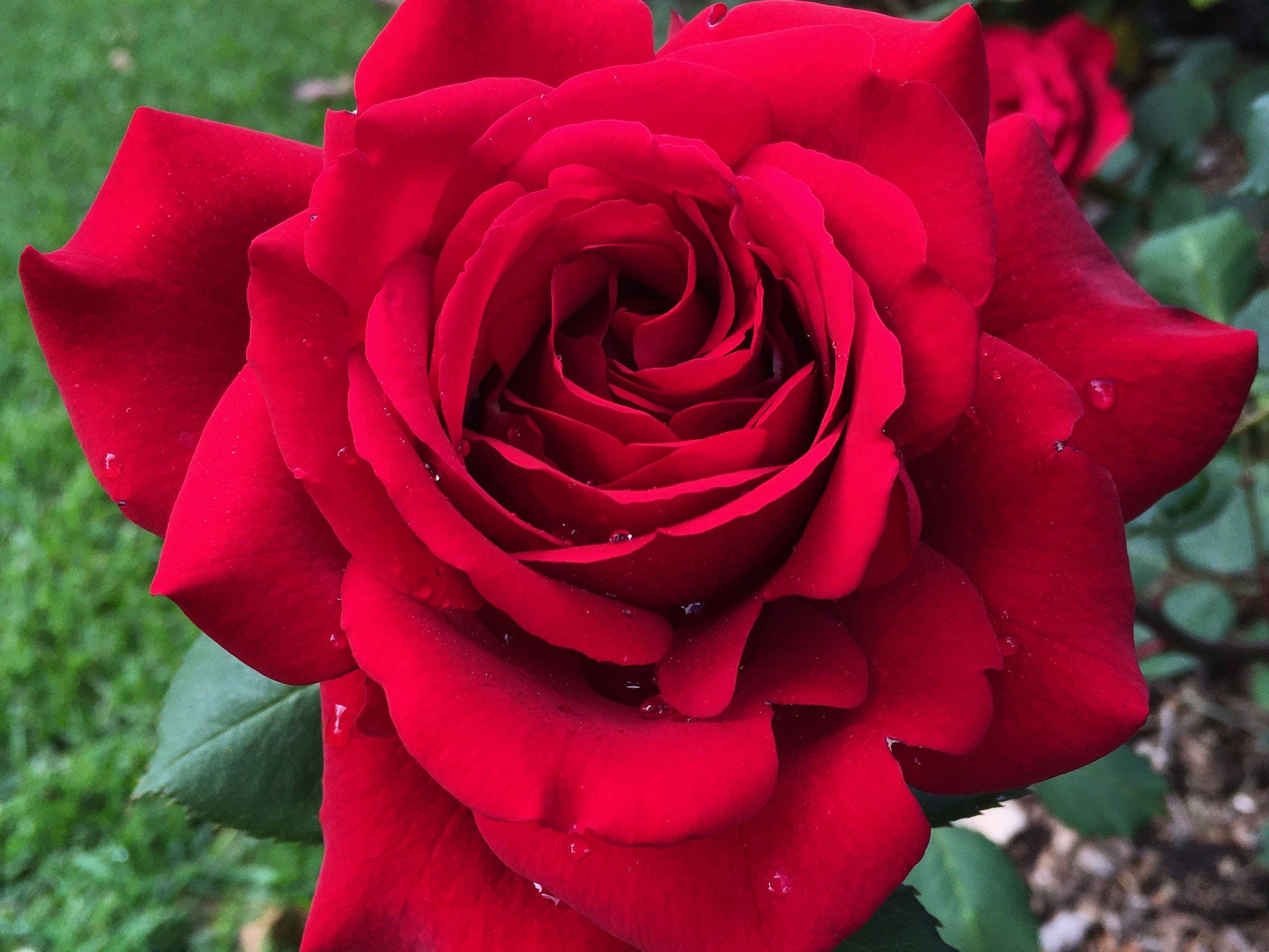
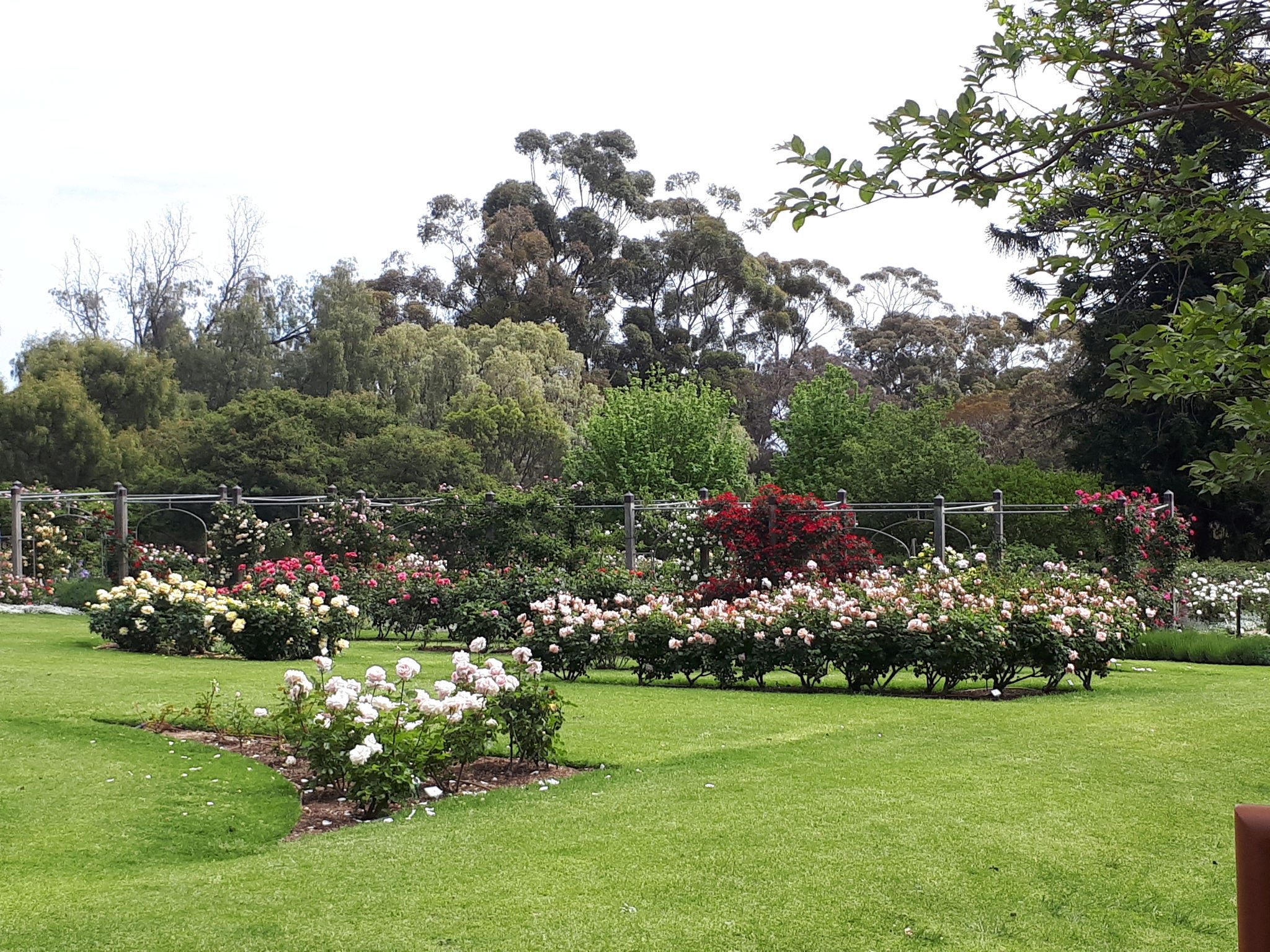
This garden traces the history and evolution of roses from 1900 to the present day. With over 1,500 bushes from 200 cultivars and species, it showcases roses that hold significance to different periods in history, inviting visitors to enjoy their fragrance and beauty.

Whilst not the original designs from Peter Waite’s time, it incorporates many of the original features such as the rose arbour. The southern end features earlier varieties in a formal layout, while the other end features different varieties in a more informal, contemporary design. 

Roses are in full bloom from September until May.

History of the Rose Garden

The original rose garden was established by Peter Waite to the west of the present site. An arbour covered in pale yellow double roses stretched from Urrbrae House to Claremont Avenue. Roses would have also bordered the main lawn in front of Urrbrae House.

By 1956 the rose garden had deteriorated, overgrown with Kikuyu grass and infested with wilt and dieback. In 1959 a new trial rose garden was established by the South Australian Rose Society and Alex Ross to the northeast of Urrbrae House to replace these diseased original ones. Despite cuttings being taken many did not live. Two roses do survive from Peter Waite’s time: Polyantha rose Cécile Brünner hedge (cultivar introduced in Australia in 1911) and Noisette rose Madame Alfred Carriere (introduced in Australia in 1889), both of which are located near the house.

In 1972 the second rose garden had to be removed to make way for a new teaching wing. In 1991 as part of Urrbrae House's centenary plans, a new rose garden was established in its present site to the south of Urrbrae House. Again, the Ross family was involved, this time Alex's son, Deane Ross a famous Australian rose breeder agreed to design this new garden. All the roses for this garden were donated by Ross Roses.

Some of the roses which Deane wanted to include had now become commercially unavailable and had to be sourced from England, America and New Zealand. The C20th Rose Garden has become a historic collection of wide-ranging roses and attempts have been made to represent the most significant of each class; over 200 varieties are represented. The first stage of the garden was opened in 1993. The second stage, the more contemporary design, was developed by Viesturs Cielens in collaboration with Susan Phillips. It features low mounds and three ponds. It was opened in 1996.

Sponsors and volunteers have been, and continue to be, involved in the development and maintenance of the rose garden.

Sponsors include Ross Roses, Heritage Roses Australia -SA, Rose Society of South Australia and Neutrog Australia.

Special thanks to the Urrbrae House Garden Volunteers for their continuing work and support.

RG
RG
RG
RG

Design to awaken the senses, this garden features plants with different colours, textures, aromas and tastes, encouraging visitors to touch, taste and smell them. 

The Sensory Garden is one of a series of thematic gardens in the Urrbrae House Historic Precinct Gardens. Its purpose is to create a special garden that stimulates different senses and is designed to incorporate plants with captivating colours, textures, aromas and tastes. Within this garden are exciting artworks and plantings which provide a tranquil, informative, humorous and stimulating recreational space for everyone, particularly those with disabilities.

Like all gardens, this garden continues to evolve. It is a haven for birds, butterflies and for you! 

A panel of ceramic tiles made by people with a disability reflect the challenges and achievements in their own lives as well as reference being made to Peter Waite as an important immigrant and pastoralist. Artists Bryan Tingey and Andrew Noble worked with residents of the Julia Farr centre to create this artwork.

The Sensory Garden is enclosed by a stately olive hedge, which lined the original driveway to the coachhouse and screened the kitchen garden. The well to the house still remains.

SG
SG
SG
SG

This garden celebrates the achievements of scientist at the Waite Campus. With pathways, soundscapes, outdoor books, and a range of climate-friendly plants, it highlights the internationally significant contributions of South Australian scientists in environment and agricultural science.

God

Surrounding Peter Waite’s Coach House, this small, secluded garden showcases ornamental plants popular in 19th-century South Australia, along with a charming collection of species that thrive in shaded areas.

chg
chg
chg

This small garden features a collection of First Nations food plants and provides a welcoming space for the community to gather, learn, and share knowledge and research, while also offering a peaceful spot on the Watie campus to relax and enjoy.

first nations
first nations

Several sculptures in the gardens and arboretum celebrate the life of Peter Waite, a generous benefactor of this remarkable property, while others capture the Australian landscape and the story of the Waite precinct.

‘Towards the Land’ by Greg Johns is a narrative suite of sculptures. One piece portrays Peter Waite, a Scotsman travelling from a European landscape – symbolised by roses and a gothic arch – into the Australian landscape, evoked through burnt yaccas and shimmering heatwaves. At his side is his faithful dog Shrimp, a white Scottish terrier beautifully rendered in bronze by sculptor Silvio Appongi.

‘Waterbirds’ by Meliesa Judge. The sculpture depicts a group of five birds. At its centre, a male bird spreads his wings protectively over a nesting female and their young. ‘Waterbirds’ captures both the strength and fluidity of bronze, with patinas that harmonise beautifully with the surrounding landscape. The artist, Meliesa Judge, was awarded a Churchill Fellowship in 2001 to study in France.

‘The Owl Pole’ by William Kuiper features a Tawny Frogmouth, a nocturnal bird known for its distinctive wide, flat beak. This elusive species is occasionally spotted in the Arboretum, blending perfectly with the tree bark. In this work, the artist invites quiet reflection – favouring contemplation over interpretation – allowing viewers to simply pause and connect with the stillness of nature.

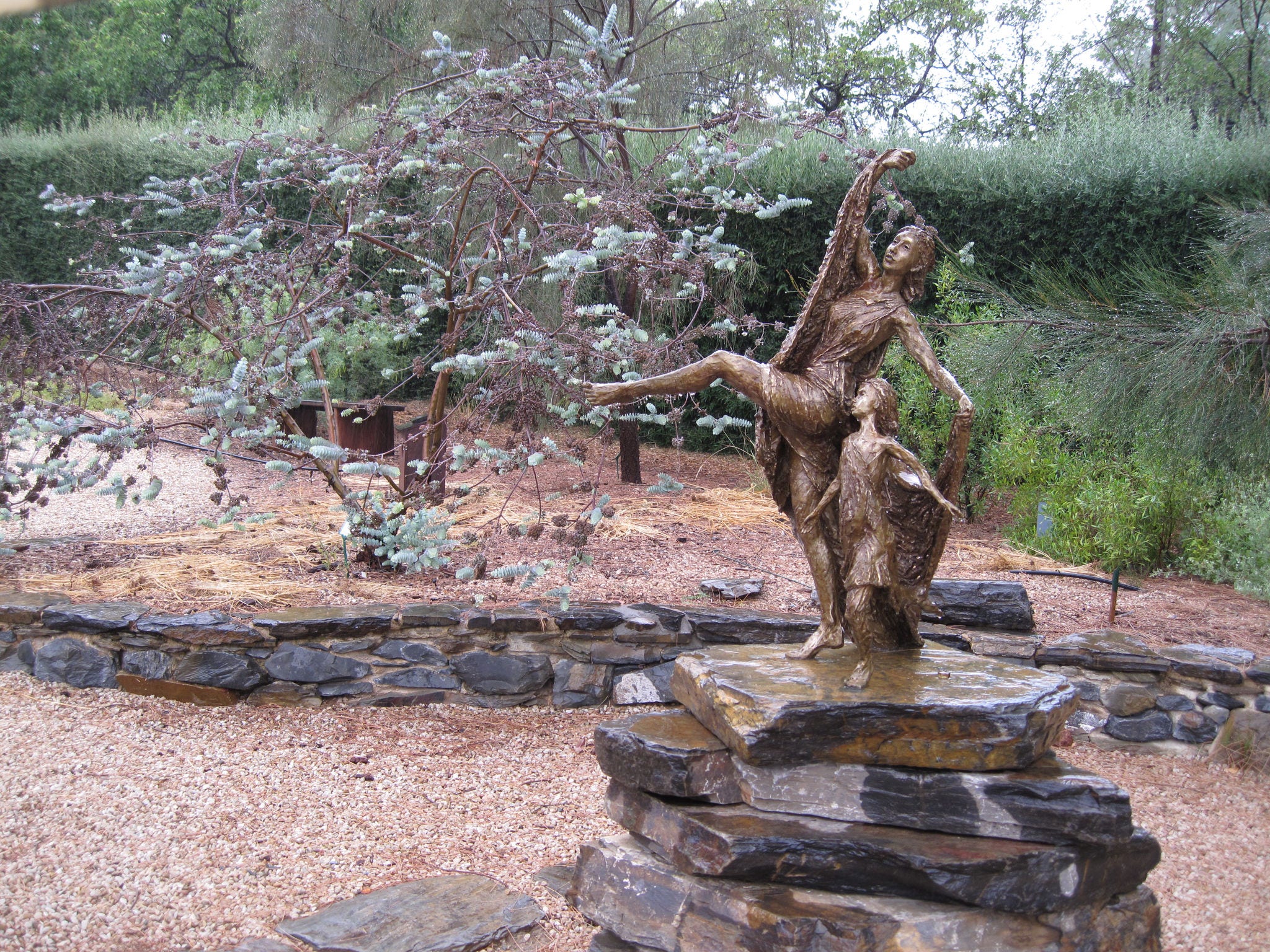
‘Dance into the Light’ by Meliesa Judge is in the Garden of Discovery within the Urrbrae house Gardens. The sculpture depicts the celebratory moment of return as Spring burst forth. Ceres, the goddess of grain and guardian of the land’s fertility, dances with her daughter Proserpina. The child moves with independence, yet is gently sheltered by her mother’s flowing robe, symbolising protection without constraint. The sculpture is mounted on large slabs of Kanmantoo bluestone, the local stone blending with the designed walls and pathways of the gardens. Find more information on ‘Dance into the Light’ from the artist.

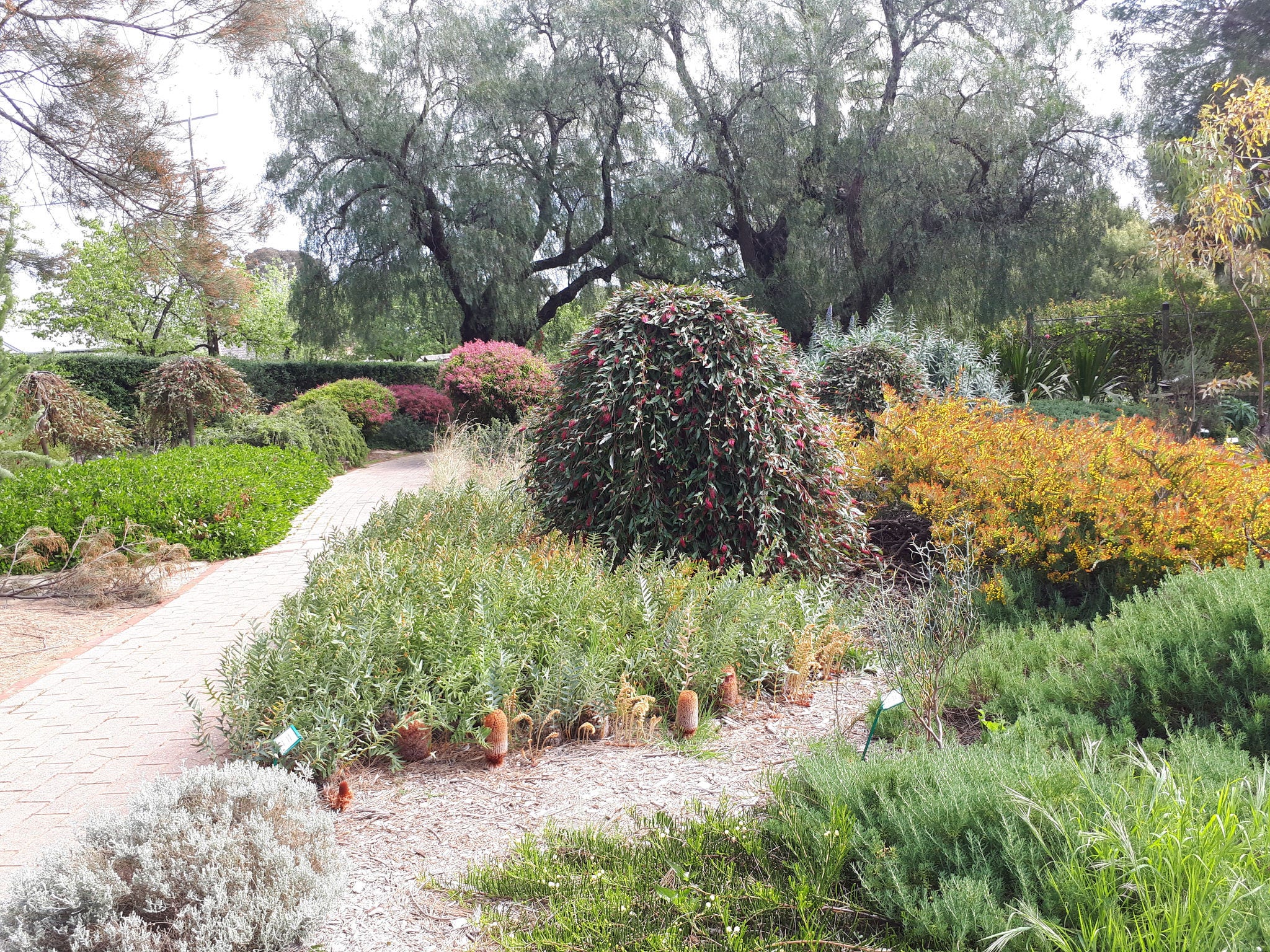
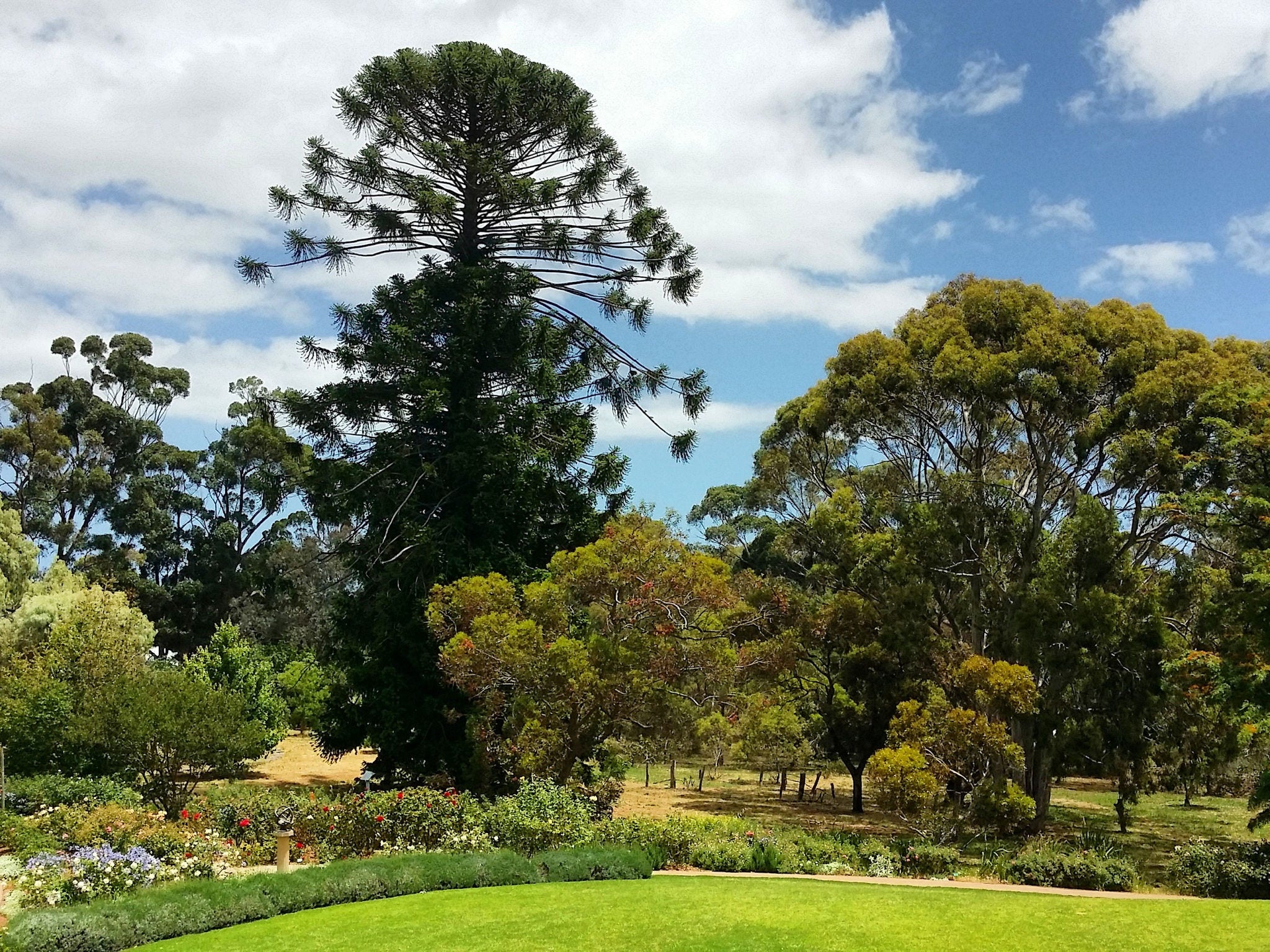
Spread across 25 hectares, the Waite Arboretum is a peaceful haven of majestic trees, reflective sculptures, and Australian wildlife. Established in 1928, it is home to over 2,300 labelled tree specimens, all thriving under natural rainfall.

Highlights include a heritage-listed avenue of 68 Dutch Elms, a meandering watercourse, and sculptures thoughtfully placed to complement the landscape, making every turn a visually stunning experience.

sculptures

Other works of special interest 

Some of the artistic works found within the Urrbrae House Gardens and Waite Arboretum include: 

  • 'Towards the Land' by Greg Johns – a suite of 6 sculptural narratives; Corten Steel and Bronze 
  • 'Professor James Davidson' by John Dowie; Bronze
  • 'Floating Figure' by Greg Johns; Corten Steel
  • 'Waterbirds' by Meliesa Judge; Bronze
  • 'Owl Pole' by Will Kuiper; Bronze
  • 'Shield' by Greg Johns; Corten Steel
  • 'Dance into the Light' by Meliesa Judge; Bronze
  • 'Green Man' by Gillian Robertson; Ceramic
  • 'Action and Optimism' by Bryan Tingey, Andrew Noble and participants from the Julia Farr Centre; Ceramic
  • 'Armillary Sphere Sundial' by Margaret Folkard and John Ward; Bronze.

Gallery

gallery
gallery
gallery
gallery

The Waite Arboretum, spanning 25 hectares at Urrbrae, is one of South Australia’s most significant and diverse tree collections. It is home to more than 2,300 trees from around the world, representing 980 taxa across over 200 genera and 50 families – all growing under natural annual rainfall.

Peter Waite generously bequeathed his Urrbrae Estate to the University of Adelaide, to be transferred after the passing of himself and his wife, Matilda. The property was handed over in 1923 to be held upon trust and in perpetuity as a park or garden for the enjoyment of the public.  

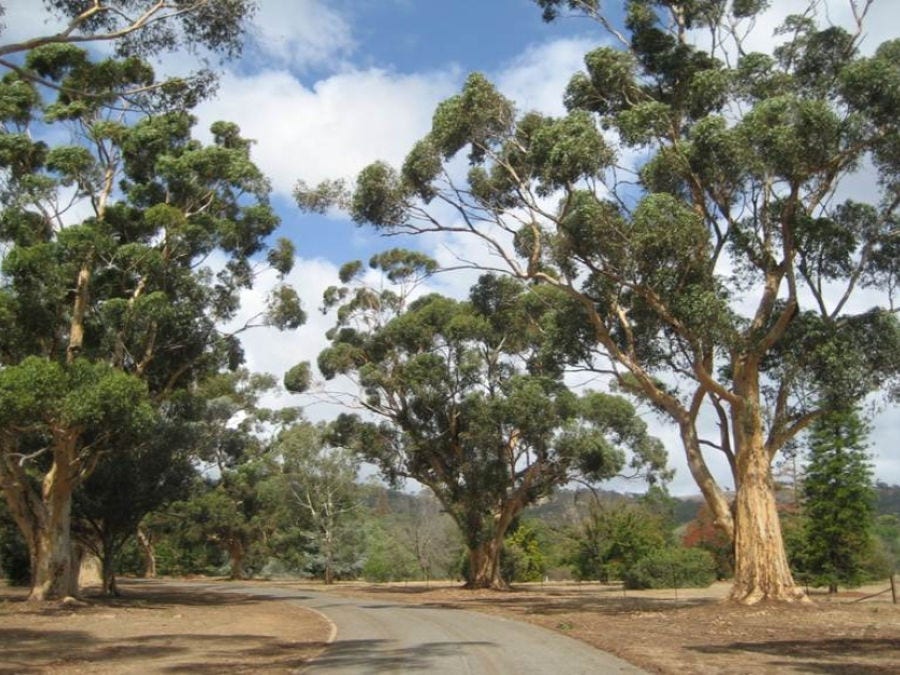
The arboretum was established and tree planting by the University began in 1928. Many of Peter Waite’s original trees remain, as well as five remnant Grey Box trees thought to predate European settlement in South Australia. The driveway to Urrbrae House was originally lined with Sugar Gums planted by Waite in 1877, thirteen of which still stand. Lemon Scented Gums now line Walter Young Avenue to replace the lost Sugar Gums.

The Waite Arboretum is open daily during daylight hours, except on Christmas Day and during Fire Ban Days in the metropolitan and Mount Lofty Ranges fire districts. Urrbrae House carpark is closed. The toilet facilities block in the gardens is closed. Entry is free.

Recreational, student and not-for-profit photography of the arboretum is encouraged. Commercial photography requires permission and may incur a fee. Contact Waite Arboretum office for more details.


The arboretum is open every day during daylight hours except on Fire Ban Days, metropolitan and Mt Lofty Ranges fire districts (CFS Hotline 1300 362361).

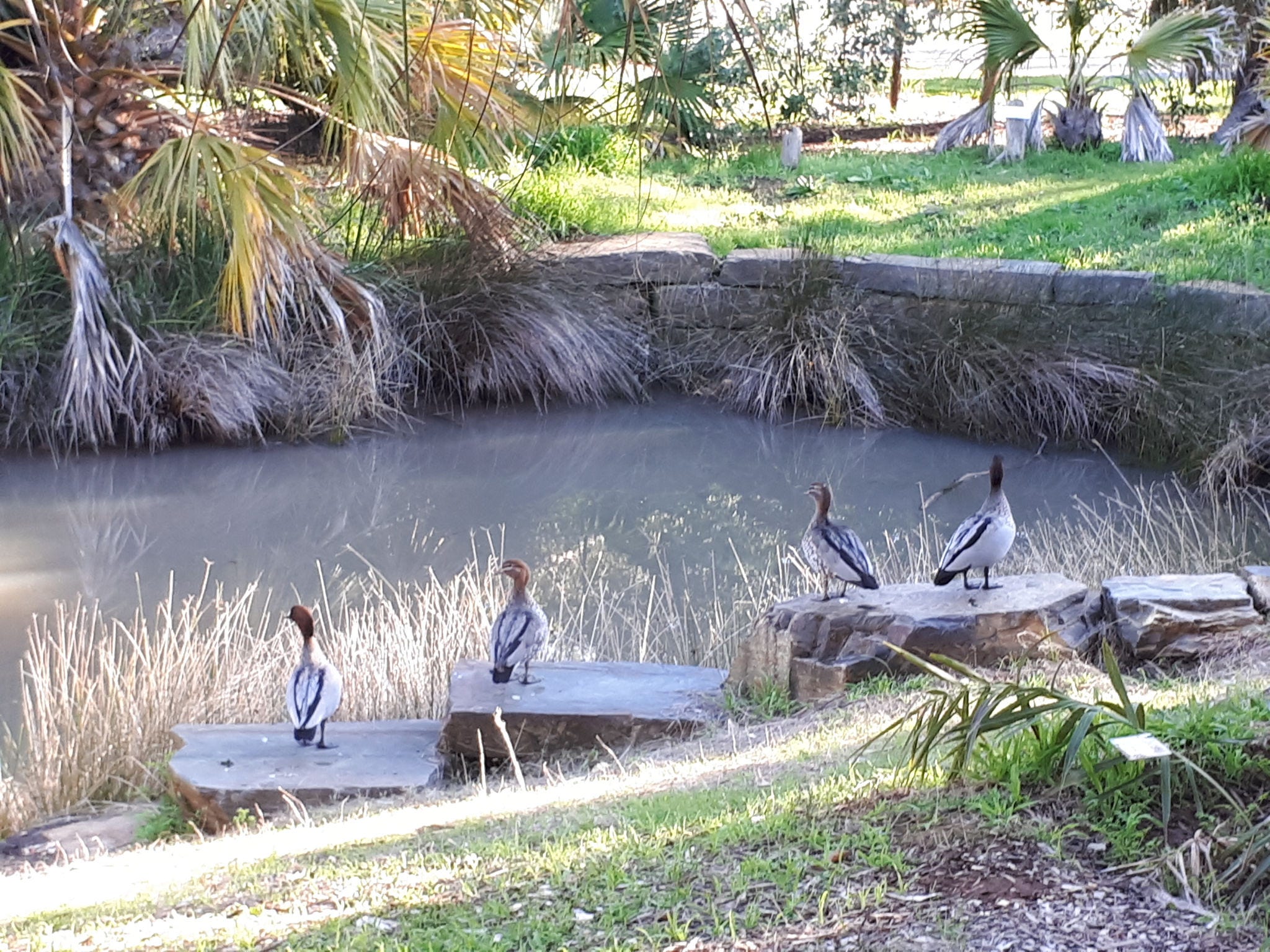
The arboretum is a vital biodiversity hotspot in the heart of the city, home to wildlife such as kangaroos, koalas, ducks, lizards, echidnas and more. To protect these unique animals, dogs and cats are not permitted. Only guide dogs permitted.

 Autumn brings outbreaks of Deathcap mushrooms in the Waite Arboretum. Ingestion of even a small amount of the mushroom will cause serious illness and may be fatal. You are advised not to pick or eat any wild mushrooms from the Waite Campus as poisonous mushrooms may resemble edible ones. Information about Deathcap mushrooms can be found on the Australian National Botanical Gardens website.

Our Arboretum and Gardens are supported by:

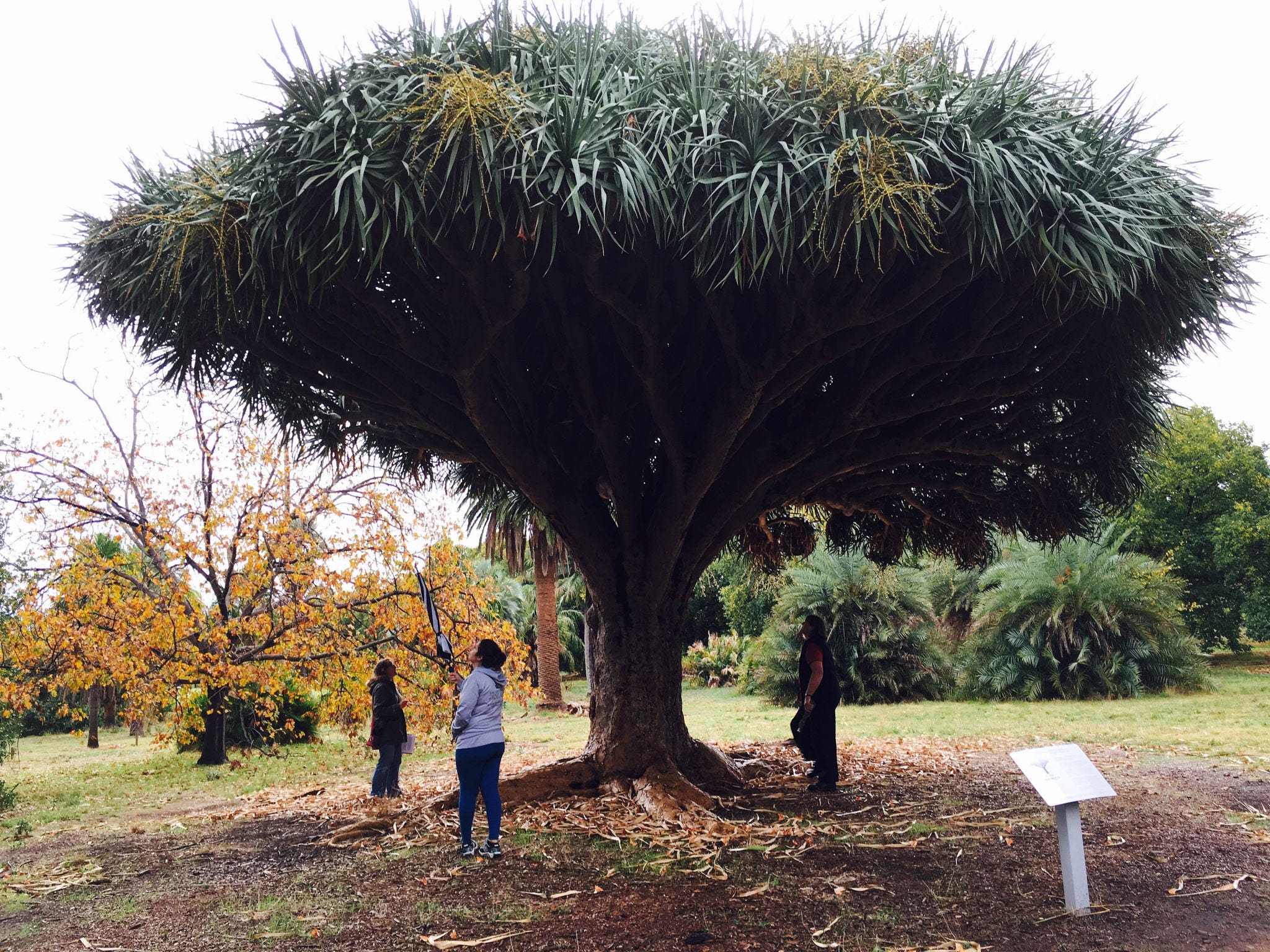
Learn more about the Waite Arboretum Logo, Dracaena draco tree.

The Waite Arboretum

  • To assess the performance of Australian and exotic trees to the local environment without supplementary water.
  • To maintain, document and develop the collection as a valuable resource for teaching and research.
  • To offer a welcoming space for passive recreation with guided walks and interpretive material.
  • To conserve biodiversity through plantings of tree species endangered in the wild.

Monthly free guided tours

Free guided tours of the Waite Arboretum are led by experienced Friends of the Waite Arboretum Guides on the first Sunday of each month (except January), from 11:00am to 12:30pm. Meet at the Urrbrae House west lawn (Croquet Lawn). Bookings are not required unless you are in a group of five or more.

Tours operate on a guide-to-visitor ratio of 1:15; if attendance exceeds this limit, places are allocated on a first-come, first-served basis. Visitors unable to join the tour are encouraged to explore using the Waite Arboretum App for a self-guided experience.

Booked tours

Groups of 10 or more can book guided walks on days other than Wednesdays by arrangement with the Arboretum office. Walks run for about 90 minutes (shorter tours available) and are led by guides knowledgeable in the Arboretum’s history and features. Fees apply. School tours are free of charge.

Self-guided tours

Self-guided walking trails designed around specific themes are available using the Waite Arboretum App.

Recommendations

Please ensure weather appropriate clothing is worn, including rain attire in wet weather. Closed sturdy shoes are recommended. In summer a hat, water and sunscreen are essential.

Cancellation

Tours of the Waite Arboretum are cancelled in the event of a forecasted temperature of 35°C or higher, a Total Ban is declared for Adelaide Metropolitan and/or Mount Lofty Ranges, heavy rain, or thunderstorms. Check the Bureau of Meteorology website/app.

Christmas Day closure

No vehicle access via Walter Young Avenue to the Waite Arboretum and Urrbrae House gardens on Christmas Day. The Urrbrae House carpark is closed. Access to the Waite Arboretum and the gardens is by foot traffic only. The toilet facilities block in the gardens is closed.

Note

Urrbrae House tours are booked separately. Please, contact Urrbrae House staff at 8313 7110/7497 for bookings.

Parking

Free parking is available in the Urrbrae House carpark on Walter Young Avenue, Urrbrae. Please note that the car park is not paved.

For directions on how to arrive to the Waite Arboretum please visit the Visitor information / How the get there page.

catalogue is maintained periodically of every specimen, by scientific and common names, family, distribution, date planted and individual tree number and locality.

Download Climate and Soil information of the Waite Arboretum.

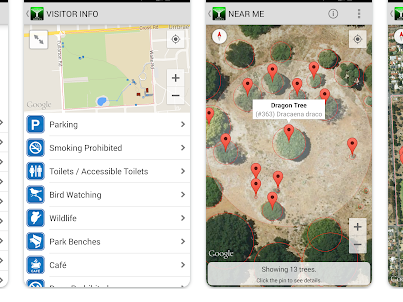
The Waite Arboretum App is a free, interactive guide designed for use in the field as you explore the Arboretum. It provides maps, themed walks and detailed information on more than 2,300 trees from around the world. Using your phone’s GPS, the app helps you identify nearby trees and learn about their origins Available for iOS and Android devices.

map

Explore the Arboretum unique collections, showcasing some remarkable trees and plants from around the world.


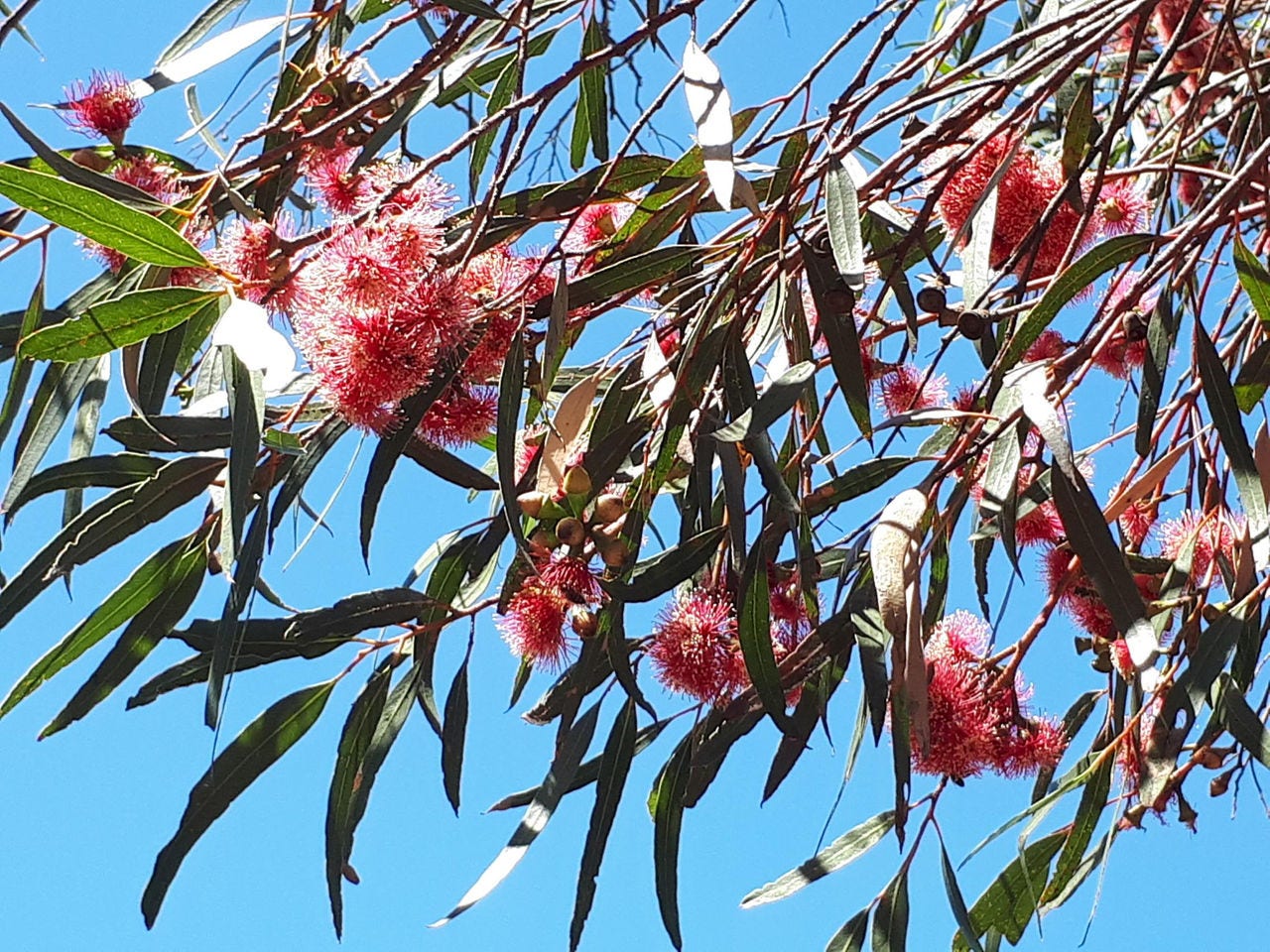
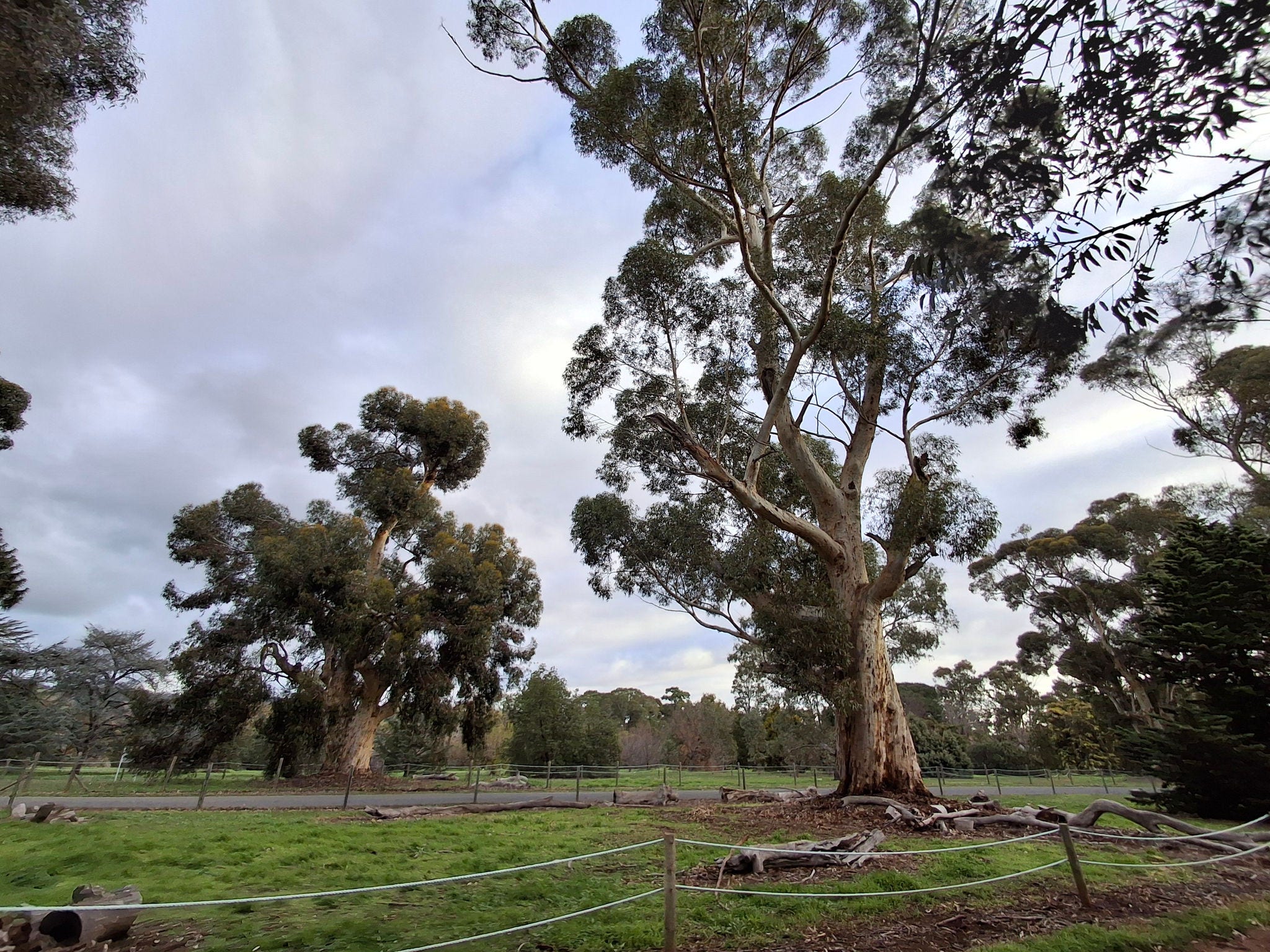
The Arboretum has over 800 specimens of eucalypts representing 350 different species and subspecies of Eucalyptus, Corymbia and Angophora. Most of these trees were grown from seeds collected from the wild. 

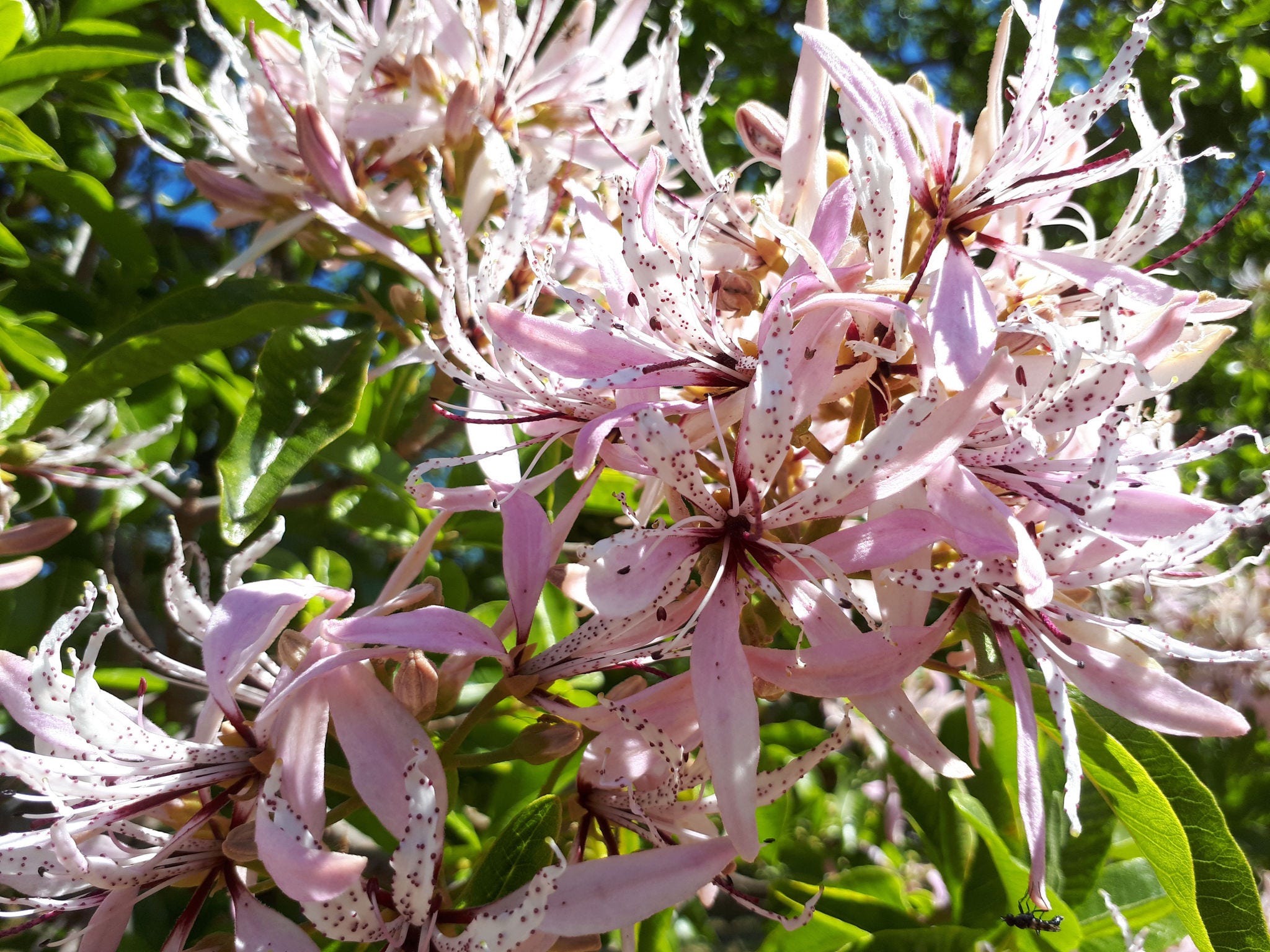
‘Urrbrae Gem’ was a chance seedling discovered at the Waite Arboretum in 1956. The female parent is Eucalyptus erythronema and the male parent is thought to be Eucalyptus stricklandii. The tree is very ornamental with an attractive grey trunk and showy red blossoms. 

The Arboretum is a repository for new eucalypt cultivars including several developed at the Waite by Dr. Kate Delaporte. Read more in Australian Geographic.

special collections

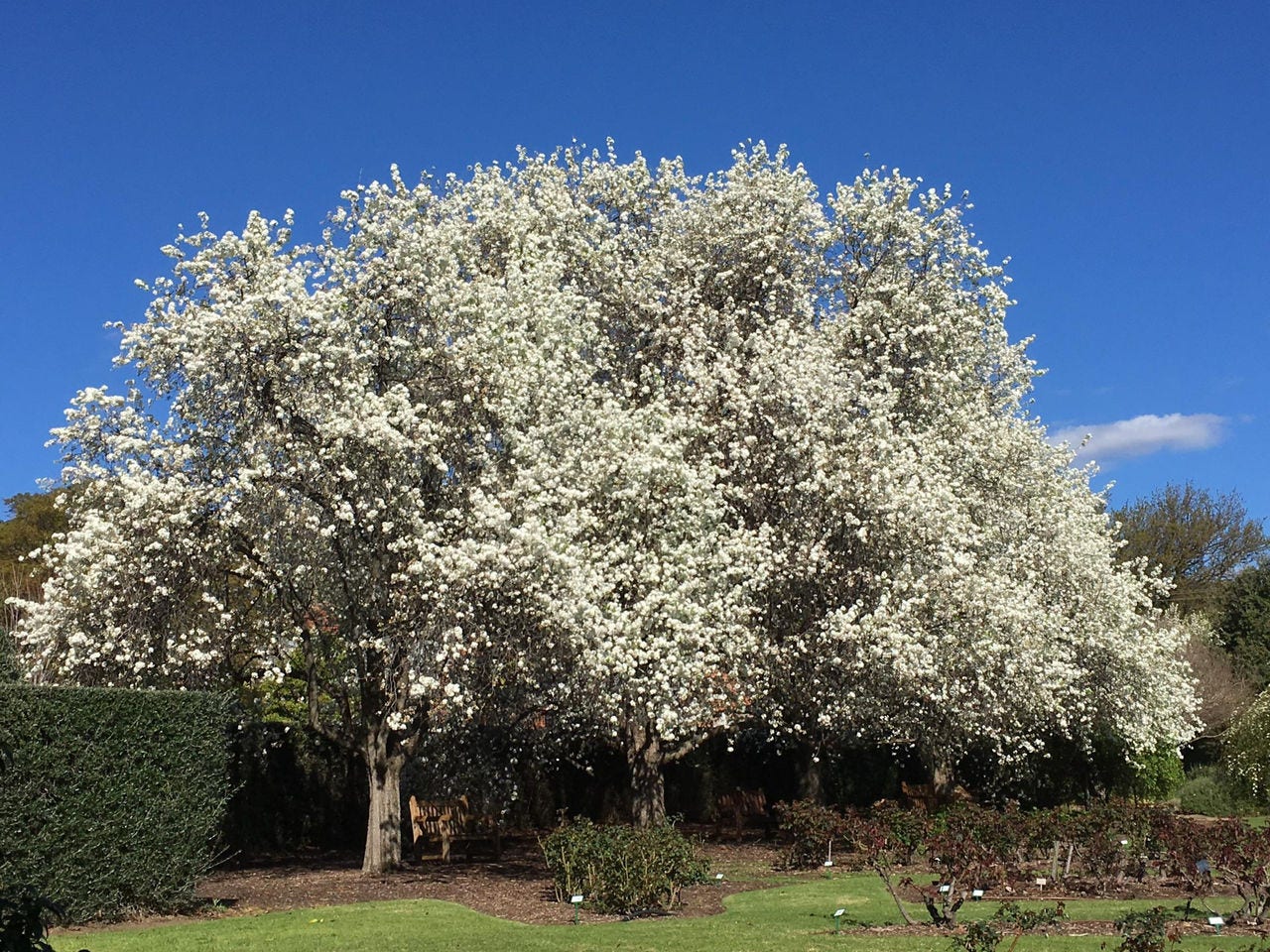
The Arboretum has a collection of more than 90 specimens of Pyrus representing more than 20 different species. Some of these species are endangered in the wild and several are well suited to the Mediterranean climate of Adelaide. Pyrus calleryana cultivars show great promise as street trees, and several selections and hybrids have been developed at the Waite Arboretum. The row of Callery pears in the rose garden adjacent to Urrbrae House, budded from an Arboretum selection, create a spectacular display in spring. 

The species Pyrus tadshikistanica and Pyrus korshinskyi are on the IUCN Red List as critically endangered in the wild. 

special collections

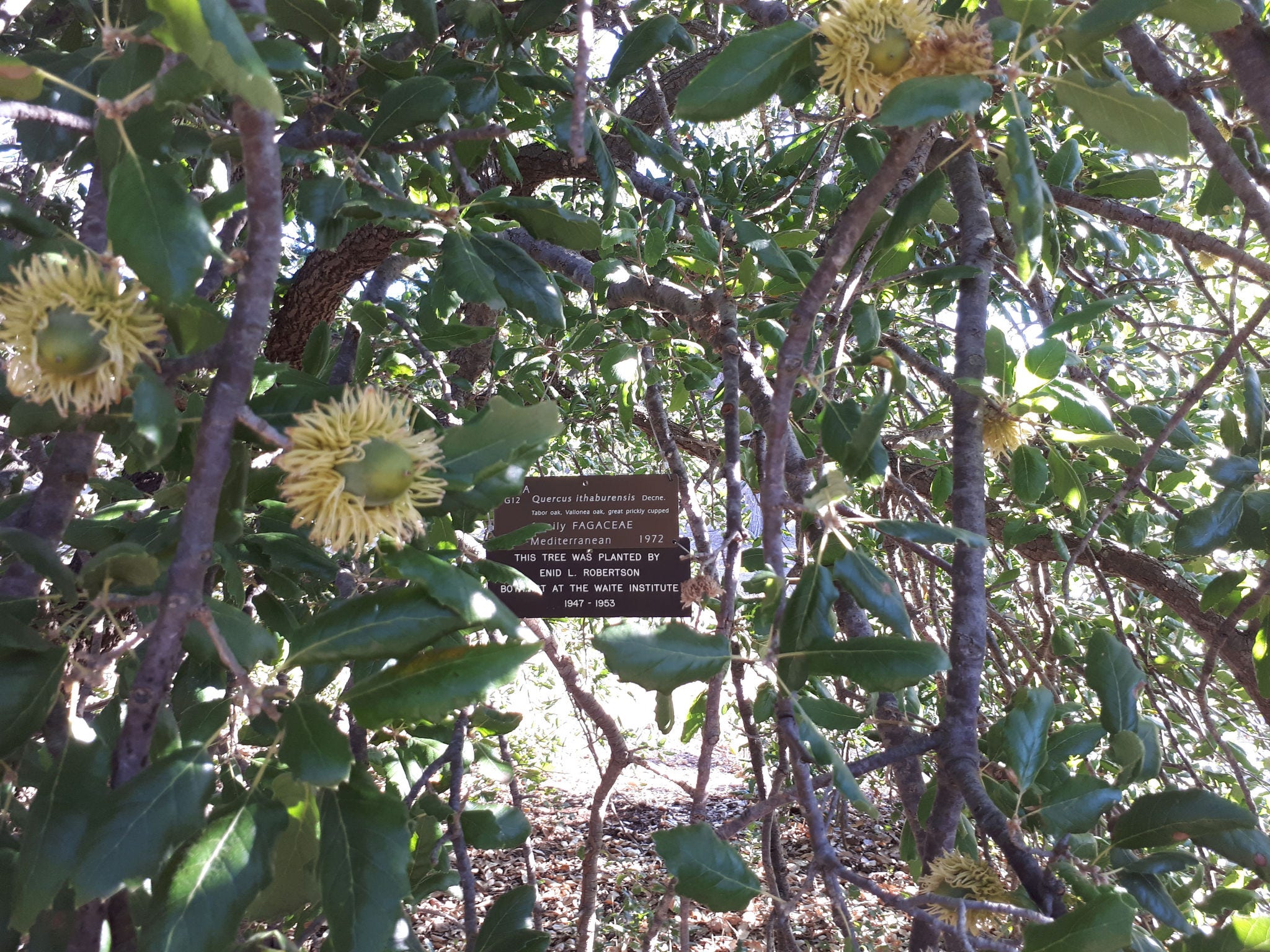
The Arboretum has more than 110 specimens from over 50 species and subspecies or Quercus. Many of the species come from California, Texas or the Mediterranean region, so are well suited to our climate. Some species are evergreen, while others are deciduous with striking autumn foliage. The cork oak or Quercus suber, native to southern Europe and northern Africa, is a particularly handsome evergreen species distinguished by its deeply fissured, corky bark.

special collections

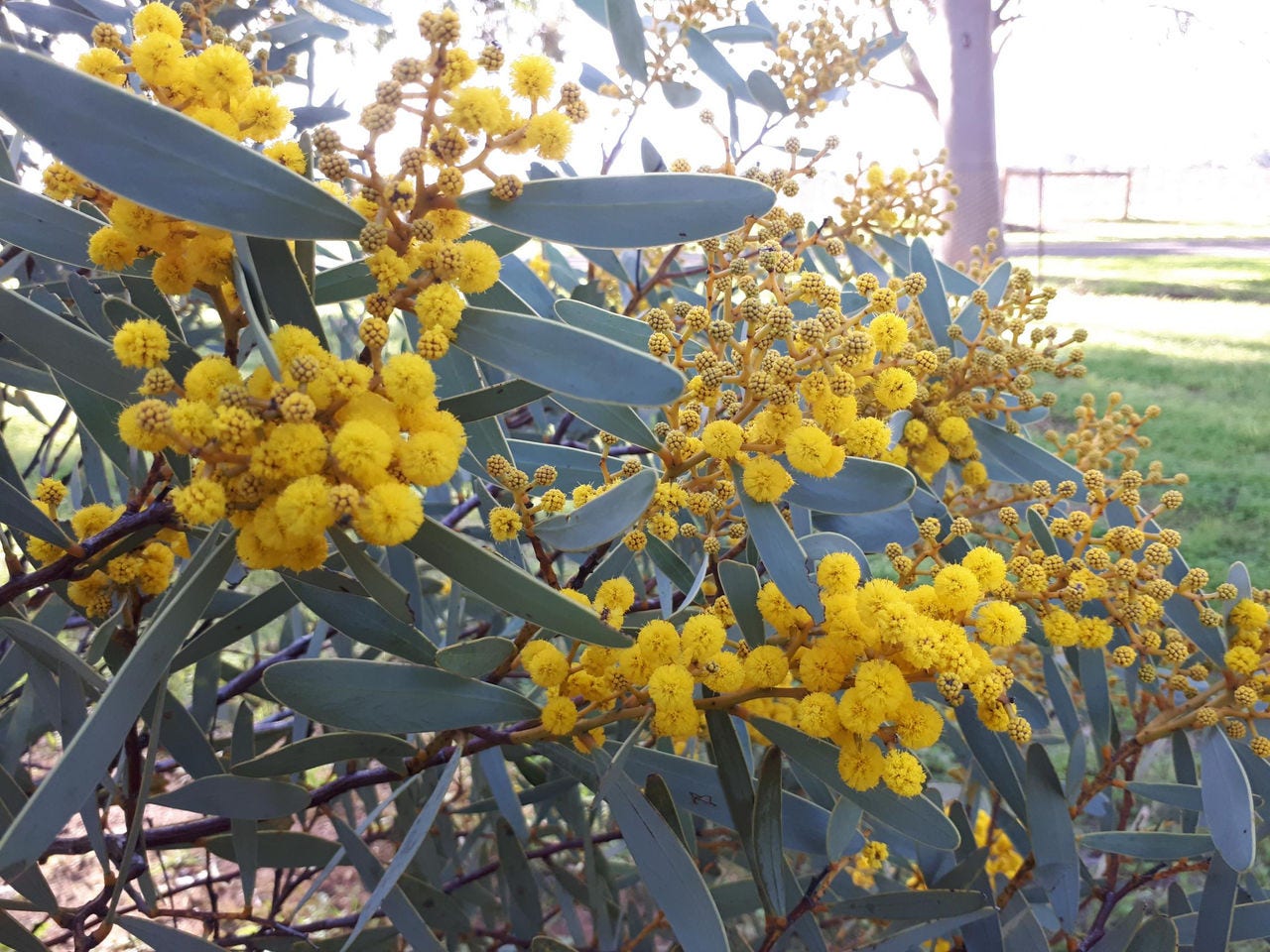
The Arboretum has more than 70 specimens from over 20 species and subspecies of Acacia, including the rare Acacia peuce. Golden Wattle Acacia pycnantha and Roundleaf Wattle Acacia acinacea are native to the site.

special collections

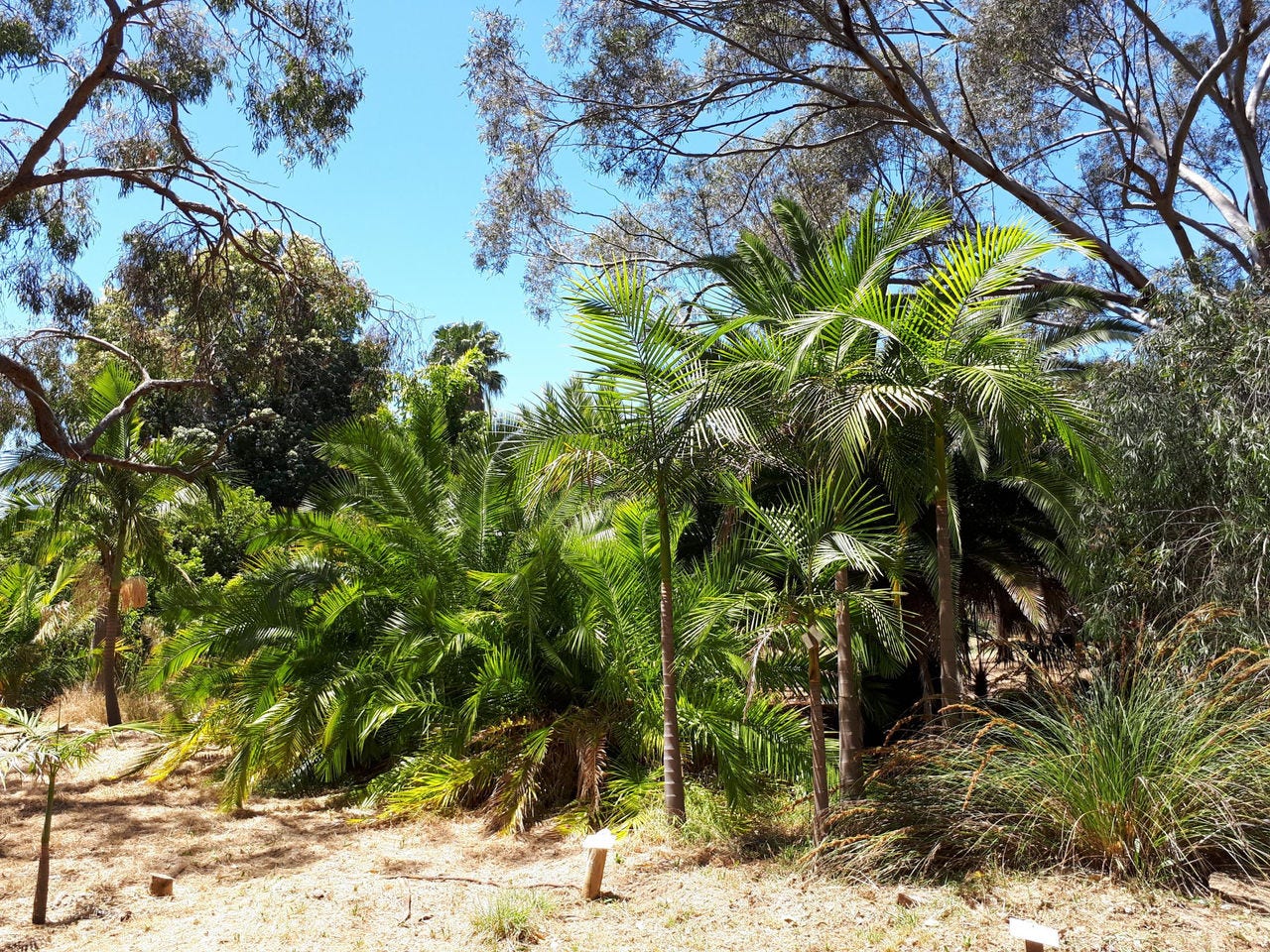
The Arboretum showcase two main palm collections. The first, established in 1928, includes the striking Chilean wine palm Jubaea chilensis, several jelly palms Butia capitata, and many other notable species. 

Planting of the second collection began along the watercourse in 1994, supported by donations from the Palm and Cycads Society S.A., and is interspersed with cycads.  

The total collection consists of more than 300 specimens from over 30 genera and over 70 Cycad plants from over 40 species.

special collections

Highlights of the Arboretum include a splendid avenue of 68 Dutch Elms dating back to 1928, a watercourse flanked by a palm and cycad walk, and carefully placed sculptures.

The collection is arranged into Australian and exotic sections and in taxonomic groupings within those areas. At the entrance, ten imposing Sugar Gums planted by Peter Waite in 1877 lead to a fragrant avenue of Lemon-scented Gums lining the driveway. Every tree is labelled and mapped, with ample spacing to showcase its individual form.

Sculptures can be found throughout the Waite Arboretum and the Urrbrae House Gardens – discover more about these and other special features at the Precinct.


On any given day of the year, more than 50 trees in the Arboretum are flowering or fruiting, attracting nectar-feeding birds and vibrant parrots. The watercourse, lake, and its floating island attract waterbirds daily, with ducks, geese, cormorants, pelicans, grebes, egrets, and herons visiting at different times. Mature eucalypts in the Arboretum provide nesting hollows – which take decades to develop- offering crucial homes for wildlife year-round.

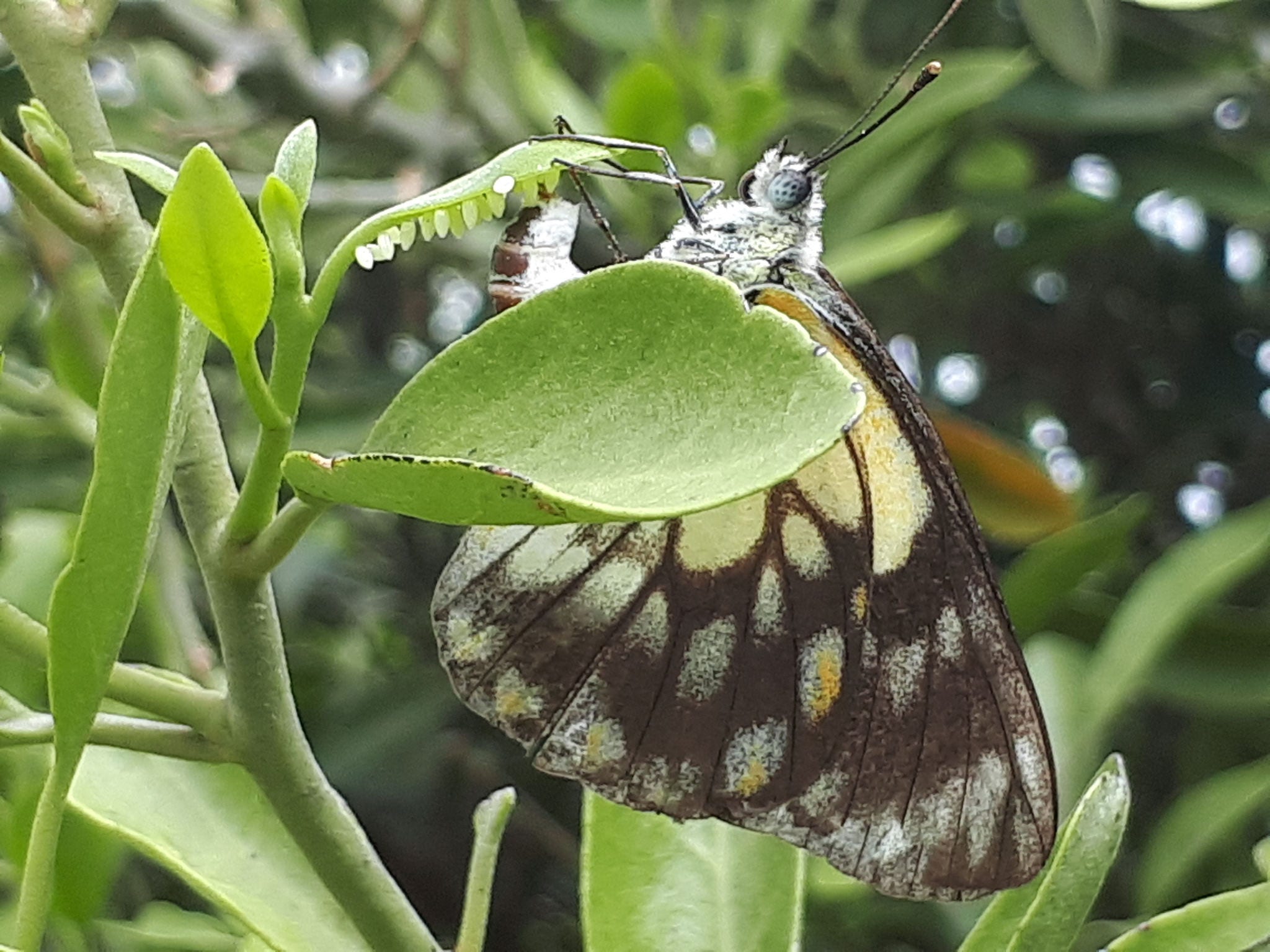
The Waite Arboretum and Urrbrae House Gardens are also designated butterfly conservation sites.

Birds of the Waite Arboretum, by Max Possingham

Part 1

Part 2

Part 3

special collections

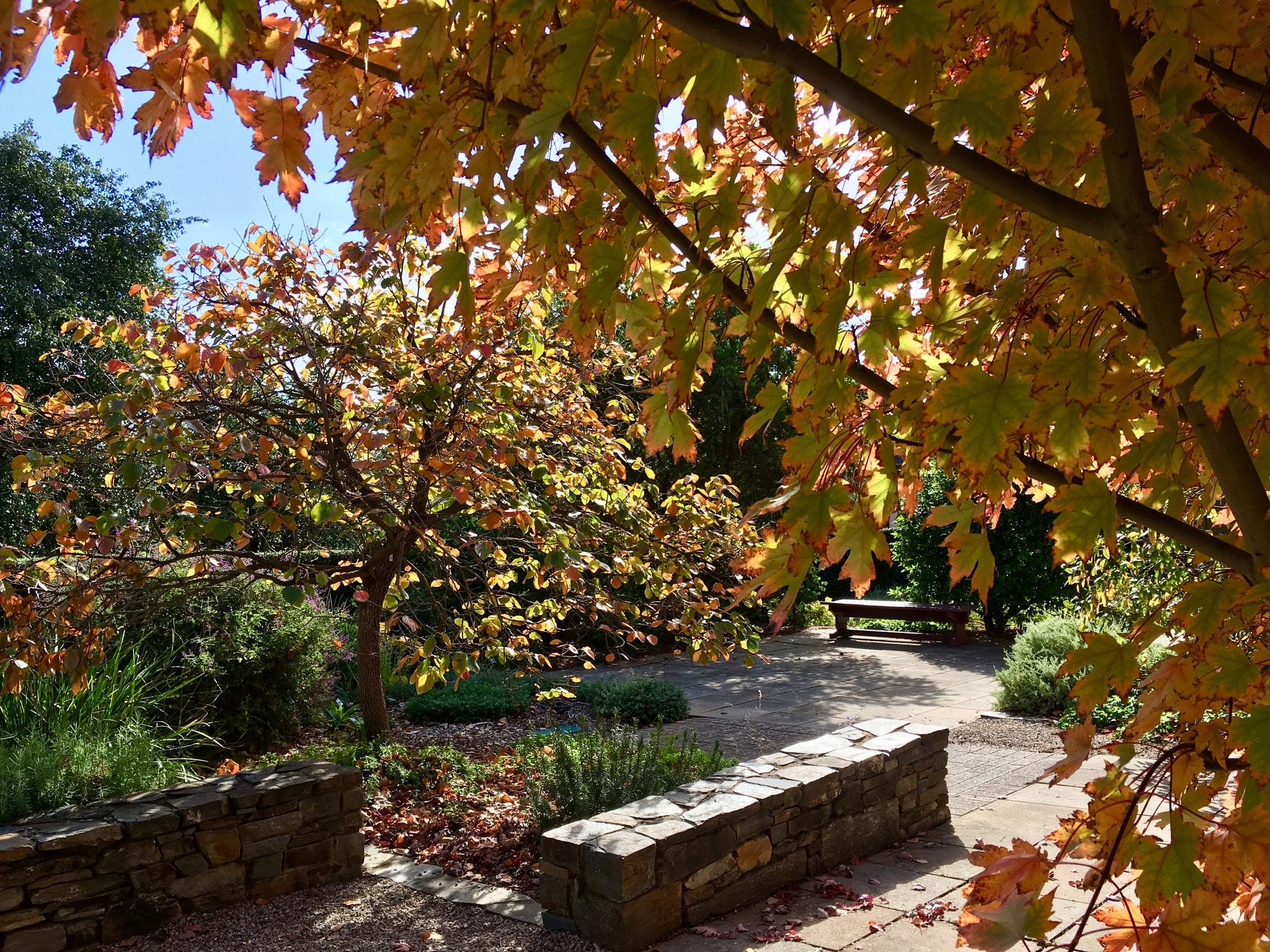
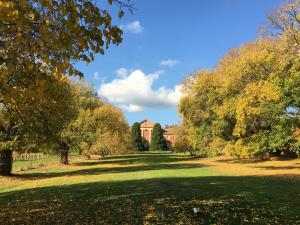
n 1928, a stunning avenue of 68 Dutch Elms was planted to frame the view from the newly constructed Waite Institute building to the sea. The avenue elegantly marks the changing seasons, with fresh green leaves in spring and a golden display in autumn. The Elm Avenue, along with several special collections and the Arboretum itself, is proudly listed on both the State Heritage and National Trust Register of Significant Trees. 

special collections

Waite Arboretum is home to several rare and uncommon tree species not often found in public collections. Among them is Waddy or Acacia peuce, a tree that naturally occurs in only a few colonies east and west of the Simpson Desert in central Australia. Known for its exceptionally hard timber, Waddy is slow-growing and highly drought-tolerant.

Another remarkable species is Cape Ebony or Euclea pseudebenus, a small yet striking tree with graceful, pendant branches. Native to the arid stony and sandy deserts of Southwest Africa, it thrives in areas with very low rainfall, showcasing its resilience in harsh conditions.

The Arboretum is home to over 20 species listed on the International Union for the Conservation of Nature’s Red List of Threatened Species –  IUCN

special collections

Grey Box Eucalyptus microcarpa, Red Gum E. camaldulensis and Blue Gum E. leucoxylon occur naturally in this area, with some pre-settlement trees still remaining. Native shrubs include Golden Wattle Acacia pycnantha, Sweet Bursaria Bursaria spinosa, Sticky Hop-bush Dodonaea viscosa , Native Apricot Pittosporum angustifolium and Native Lilac Hardenbergia violacea.

Sheep were once used to manage grass, but after grazing ceased in 1991, the native understorey has regenerated. Now, Wallaby-grass Rytidosperma species, Spear-grass Austrostipa species, Climbing Saltbush Einadia nutans and Windmill-grass Chloris truncata thrive, along with other small native plants. The Arboretum preserves valuable remnants of the original Adelaide Plains flora.

special collections

The watercourse development began in 1994, with meanders, ponds, and native water plants. Originally built by Peter Waite in the early 1900s, the dam has since been enlarged and now receives water from both a bore and stormwater. A palm and cycad walk has been established along the watercourse, in collaboration with the Palm & Cycad Society of SA. 

watercourse

What animals live in the Waite Arboretum, and where?

Embark on a journey through the Arboretum’s animal trail, featuring metal silhouettes of diverse wildlife that calls it home – beetles, butterflies, lizards, bats, koalas, and more – bringing nature to life in a unique way!

Download and print the WAWOT document, which marks the locations of various creatures. Can you identify them all? Begin your self-guided wildlife discovery tour of the Waite Arboretum!

wildlife

The Waite Arboretum features the Bee, Butterfly, and Bird Garden (BB&B), a vibrant sanctuary for native bees, butterflies, birds, and local wildlife, just next to the Native Bee Hotel. This garden supports year-round biodiversity and acts as a model for future projects across the Arboretum. Visit the BB&B Garden next time you're at the Arboretum!

The garden spans 700m², featuring over 1,200 plants from 50+ species. Handpicked local species that naturally occur in the Mount Lofty area with similar soil conditions and rainfall requirements. The garden blends sunny and shaded areas near the watercourse, attracting a variety of birds and butterflies. The collection includes small and medium native shrubs, herbaceous grasses, and groundcovers that flower and fruit throughout the year.

With unmulched areas to support native bees and insects, the garden fosters a thriving ecosystem of birds, butterflies, bees, reptiles, possums, ants, beetles and more. Maintained by volunteers and staff, it offers a rich habitat for wildlife and a living example of sustainable design.

Navigate through our virtual BB&B Garden to learn why it's a biodiversity hotspot. For the best experience, use the arrows in the bottom right of the map to expand it to full screen.

Support local wildlife by planting the right plants and providing water and shelter. Help protect biodiversity and spread the word to build green corridors across the city. Check out our map, BB&B plant list, and BB&B Plant ID Charts below for inspiration!

BB&B  Plant list

Plant ID Charts

To attract more native birds, the Bird Garden has been created in the Waite Arboretum. This multi-layered habitat garden featuring dense shrubs, native grasses, and flowering groundcovers provides year-round food and shelter, enhancing the arboretum’s role as a biodiversity hotspot. The project uses carefully selected Australian native plants and is set within the bird-attracting Hakea collection.

 Birds enrich urban life with their songs, colours, and ecological roles like pollination, while also serving as indicators of environmental health. In Adelaide, native bird species have declined due to habitat loss, fragmentation, and the reduction of native vegetation – especially the dense shrubs and small trees that many small woodland birds rely on for shelter and food. Protecting and restoring these habitats is key to sustaining urban bird diversity and overall ecological balance.

 Birds feed in the early morning and seek shade during the hottest part of the day. To support them, plant dense shrubs and trees from the ground up to three meters or more, placing them close together to create shelter and safe pathways. Use prickly native shrubs for nesting and protection and include native grasses to attract seed-eating birds and support butterflies.

 Small birds like Silvereyes and Fairy-wrens forage in low, sheltered areas for insects, berries, and seeds. Provide a clean, reliable water source, such as a birdbath under dense shrubs, to encourage regular bird visits.

Support local bird by planting the right plants and providing water and shelter. Help protect biodiversity and spread the word to build green corridors across the city. Check out our BG plant list for inspiration! 

BG Plant list

wildlife
wildlife
wildlife

The Waite Arboretum's Native Bee Hotel located near the Mallee and BB&B garden, was designed and built by a dedicated volunteer, with support from the Friends of the Waite Arboretum. This five-star accommodation offers crucial nesting sites for over 100 species of native bees who call the arboretum home.  

Bees are vegetarian wasps that collect pollen and nectar for their offspring. Native bees range in size from just 2mm to 24mm and include species like the Green Carpenter Bee, Blue Banded Bee, and Leafcutter Bee. South Australia is home to around 500 native bee species, and Australia hosts over 2,500 species in total. Most of these bees are solitary, with females nesting alone and collecting small amounts of nectar for their young.

The Native Bee Hotel features timber logs with holes of varying sizes, some filled with different materials, offering safe and inviting nesting spaces for native bees. Its artwork depicts a Blue Banded Bee, a Jewel Beetle, and the Waite Arboretum logo. A valuable resource for university researchers and students studying these essential pollinators, the hotel serves as both a functional habitat and an educational installation for all visitors.

native bee hotel
native bee hotel
native bee hotel
wildlife

Gallery

gallery
gallery
gallery
gallery
gallery
gallery
gallery
gallery
gallery
gallery
gallery
gallery

The Waite Conservation Reserve, situated in the Adelaide Hills Face Zone, was established in 1992 to protect the natural environment and promote scientific research. The Reserve covers 121 hectares, with 110 hectares protected under Heritage Agreement providing permanent protection for its vegetation and wildlife.

Today the Waite Conservation Reserve is noted as the largest and best surviving examples of Grey Box Grassy Woodland in South Australia – a nationally threatened plant community.

With its diverse range of native plants and wildlife, including kangaroos, koalas, and echidnas, the reserve is a vital asset to both the University and the people of South Australia.

In October 1913 Peter Waite wrote to the Premier of South Australia, Hon. A. H. Peake, and the Chancellor of the University of Adelaide, the Rt. Hon. Sir Samuel Way, informing them that he intended presenting the Urrbrae property of 54 hectares to the University of Adelaide. The eastern half was to be used for scientific studies related to agriculture and the western half as a public park.

In 1915 Peter Waite bought the Claremont Estate of 21 hectares and 45 hectares of the foothill part of the Netherby Estate, both of which adjoined Urrbrae, transferring their ownership to the (foundational) University of Adelaide.

The Waite Conservation Reserve is open to the public from dawn to dusk every day except on Fire Ban Days in the Mt Lofty Ranges fire district.

To preserve the Reserve natural environment and minimise disturbance to wildlife living in the area, dogs are not permitted.

Follow us


The Waite Conservation Reserve is open to the public from dawn to dusk every day except on Fire Ban Days in the Mt Lofty Ranges fire district (South Australian Country Fire Service Hotline 1300 362361).

 The Reserve is a vital biodiversity hotspot in the heart of the city, home to unique flora and fauna. To preserve the Reserve natural environment and minimise disturbance to wildlife living in the area, dogs are not permitted.

 The Waite Conservation Reserve Logo: features the blue devil – Eryngium rostratum , a spiny herb that occurs in the Reserve and has conservation status.

information
information

Waite Conservation Reserve support

Much work maintaining the Reserve is carried out by dedicated university volunteers and The Friends of the Waite Conservation Reserve.

Other supporters include: 

  • Natural Heritage Trust Envirofund

  • SA Urban Forest Biodiversity Program

  • Sustainable Resources / SA Dept of Water, Land and Biodiversity Conservation (DWLBC)

  • Activ-8 Grant Program (funded by the SA Government)

  • SA Heritage Agreement Grant

  • Work for the Dole (funded by the Commonwealth Government).

  • Protects precious remnant vegetation.
  • One of the best surviving examples in the Adelaide Hills of Grey Box Grassy Woodland, a depleted and poorly conserved vegetation type.
  • Home to 43 uncommon, rare, vulnerable or endangered plant species.
  • A habitat for native animals, for example echidnas, koalas, kangaroos, as well as butterflies, reptiles and birds.
  • A valuable resource for ongoing research in ecology, biological control, and related fields.
  • A valuable and accessible resource for teaching environmental management to secondary and tertiary students.
  • Provide a beautiful and tranquil environment for bushwalking, birdwatching and other quiet recreation.
  • Easy access to bushland for people living in urban Adelaide.
information

There are three marked trails through the Waite Reserve.

The 4 kilometres long Waite Loop starts at the bottom of Wild Dogs Glen and climbs to the Old Coach Road, before looping out to the western edge of the Adelaide Hills face. The trail returns to Gate 61 via the easement. This trail starts with a steep climb. Allow 2-2.5 hours for the walk. Parking is available in the nearby University carparks.

The 2.6 kilometre Sheoak Loop takes off from the Waite Loop near Gate 88 and initially follows the Yurrebilla Trail to Gate 89. At the gate, the two trails separate. From there it is mainly downhill to a large old quarry above the SE freeway. The return is a gentle one, as the trail uses the old horse trail from the quarry and the old Coach Road. Allow 40-60 minutes for the Sheoak Loop.

Part of the Yurrebilla Trail also traverses the Waite Conservation Reserve. This crosses our southern boundary from Carrick Hill and continues on a public walking track through Springwood Park to the old Mt Barker Road, below Eagle on the Hill. This trail is a narrow footpad, no steeper than 1:11 grade. Allow 45 minutes. 

All walking tracks afford magnificent views over the Adelaide Plains to the sea.

For further details and information, please contact: 

The Manager of the Waite Conservation Reserve Dr. Kate Delaporte, phone 8313 7405.

Closure 

On Total Fire Ban days (for the Mount Lofty Ranges): the Waite Conservation Reserve is closed to the public. Please check the CFS website.

Note 

In summer, the average maximum day temperature is about 27°C, but there are often days of high 30s, so a hat and sunscreen are essential.

In winter, the ground can be very wet underfoot and boots or sturdy shoes are recommended.

No dogs are allowed in the Reserve, except guide and assistance dogs.

Reserve trails map and boundary

Download the ‘Loop Walking Trail Guide’ including map and nature notes. And ‘Nature at your Door’ brochure gently developed by the Friends of the Waite Conservation Reserve 

trail guide

The dominant plant species over much of the Reserve is the Grey box Eucalyptus microcarpa, and this determines the vegetation type of the Reserve – 'Grey Box Grassy Woodland'.

Woodland vegetation is characterised by the dominant trees having large canopies relative to their height, and trees being spaced apart such that their canopies do not overlap one another. The 'Box' eucalypts are a distinct group which have a characteristic bark type of short, interlaced fibrous strands which extend up the trunk as far as the major branches. In favourable conditions the Grey Box may reach 25m in height.

More than 550 species of plants have been recorded in Waite Conservation Reserve. Download a complete plant list prepared by Dr Peter Lang, Senior Botanist, State Herbarium of SA, Botanic Gardens and State Herbarium, Department for Environment and Water.

Six species in Waite Conservation Reserve have conservation status in Southern Lofty.

Biological survey

In November 2008, a nine-day intensive survey of mammals, reptiles and birds was conducted in the Reserve.

The survey was designed to sample each of the 14 vegetation communities. The combined labours of 44 Friends and others resulted in 2,800 trap/nights and 170 hours of targeted searches. View the results of the 2008 Biological Survey in early 2026.

Further surveys on birds, mammals, reptiles, frogs and insects can be viewed on the Friends of the Waite Conservation Reserve website.

Mammals

The Yellow-footed Marsupial Mouse – Antechinus flavipes

This small, nocturnal, carnivorous animal makes its home in tree hollows and piles of dead wood. It has brown, somewhat bristly fur and a pointed face, which contains the characteristic carnivore’s set of sharp teeth, which it uses to capture and eat insects and other small animals.

Mating occurs in winter, and the tiny young are born after about 30 days gestation. 10 to 12 babies attach to the teats of the mother until the time they are able to fend for themselves. Following mating, which is prolonged and a somewhat violent affair, all the males then die before the end of the year. This is thought to be due to complex hormonal and behavioural changes which occur during the breeding season. Although these creatures are essentially nocturnal, there are reports of sightings of Antechinus foraging during the day and being unafraid of the human observers.

Download the Mammal checklist.

Birds

63 species of birds have been recorded in the Waite Conservation Reserve. Download the Birds checklist.

Are you a keen birdwatcher? You can participate in our Bird monitoring project.

Download the survey form and map of survey sites.

Insects

Download the Butterflies checklist.

Reptiles and frogs

Download the Herpetology checklist.

*Guided walks

Groups of 10 or more can book guided walks of the Reserve by contacting the Manager Dr. Kate Delaporte. 

Note: If the forecast temperature for the day is 35°C or above or if a Total Fire Ban for Mt. Lofty Ranges is declared the tours of the Waite Conservation Reserve are cancelled. Please, check the Bureau of Meteorology website.

Working bees

Working bees are your chance to get to know the reserve better and are held fortnightly in autumn to early summer, on alternating Saturday and Sunday mornings. Volunteers participate in a variety of tasks including weed control, seed collection, documentation of flora, and track maintenance. 

Please email arboretum@adelaide.edu.au for further information.

activities

Gallery

activities
information
gallery

Get involved

Become a part of the Waite Historic Precinct community and join us as a volunteer or as part of our Friend's Associations. 

Volunteering

Volunteers play an important role in the day to day functioning of the Waite Historic Precinct. Volunteers can take on many roles in many areas of interest and can volunteer in different sectors of the Historic Precinct.
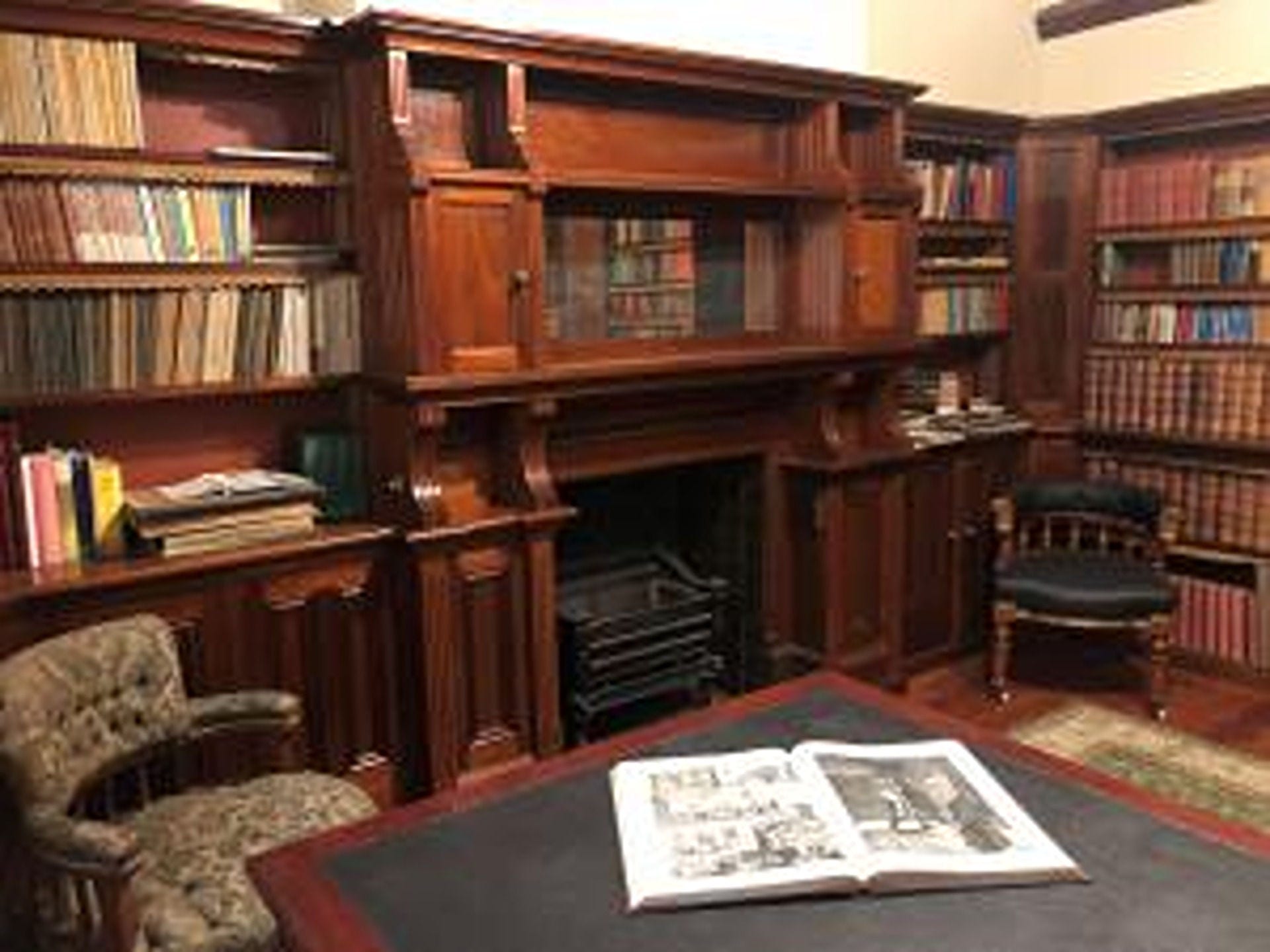
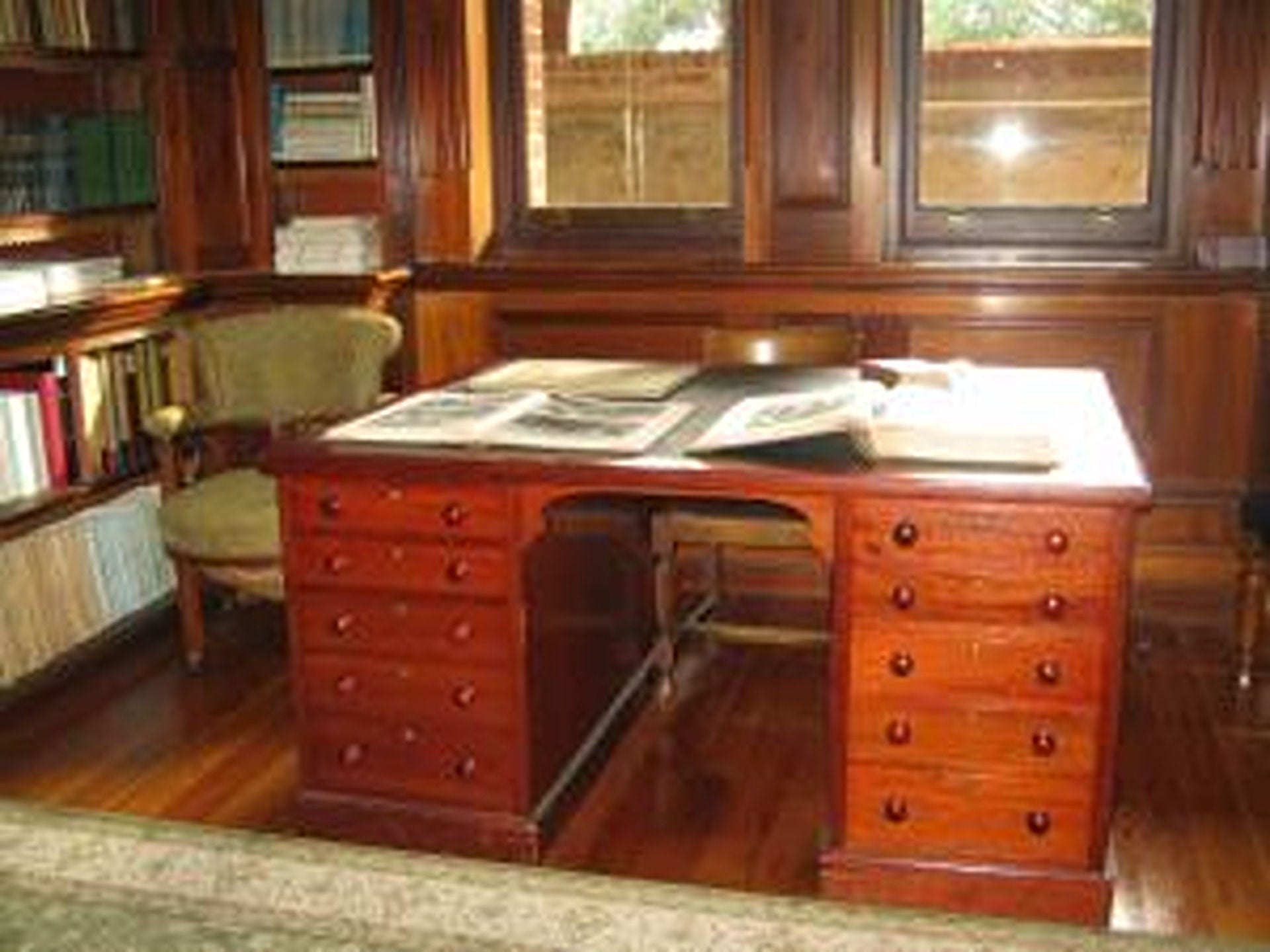
The Waite Arboretum, Urrbrae House Gardens and Conservation Reserve offer a chance to work with nature. You will be able to make a practical difference in a fun, supportive and inclusive environment with like-minded people.

The volunteers of Urrbrae House will have the opportunity to work with the public and contribute to a Heritage-listed house and accredited museum.  

If you would like to volunteer at the Waite Historic Precinct, please click on the position below and use the contact details for the relevant role.


Waite Arboretum and Waite Conservation Reserve

The Waite Historic Precinct values conservation and preservation of Indigenous species. Volunteer projects in this area are available from time to time.

For further information, please email arboretum@adelaide.edu.au.

Periodically throughout the year, Urrbrae House is host to various events and exhibitions. Volunteers may assist with the University's community engagement activities at Urrbrae House.

For further information please phone 8313 7497 or email urrbraehouse@adelaide.edu.au.

Urrbrae House

Our flower arrangers have the luxury of working with some of Adelaide's most beautiful flowers sourced from the Rose Gardens of Urrbrae House and the Waite Arboretum. Our flower arrangers regularly arrange displays for Urrbrae House and on occasion for Adelaide University events.

For more information, please contact 8313 7497 or email urrbraehouse@adelaide.edu.au

Waite Arboretum and Urrbrae House Gardens

With upwards of 2,300 plant specimens in our world-class Arboretum and our Urrbrae House Historic Precinct Gardens, assistance is always welcome. Our Volunteers meet regularly on Tuesdays and Fridays during the morning to tender the gardens. This program is especially good for those who no longer have a garden at home yet want to keep gardening in the fresh air in a friendly and supportive environment.
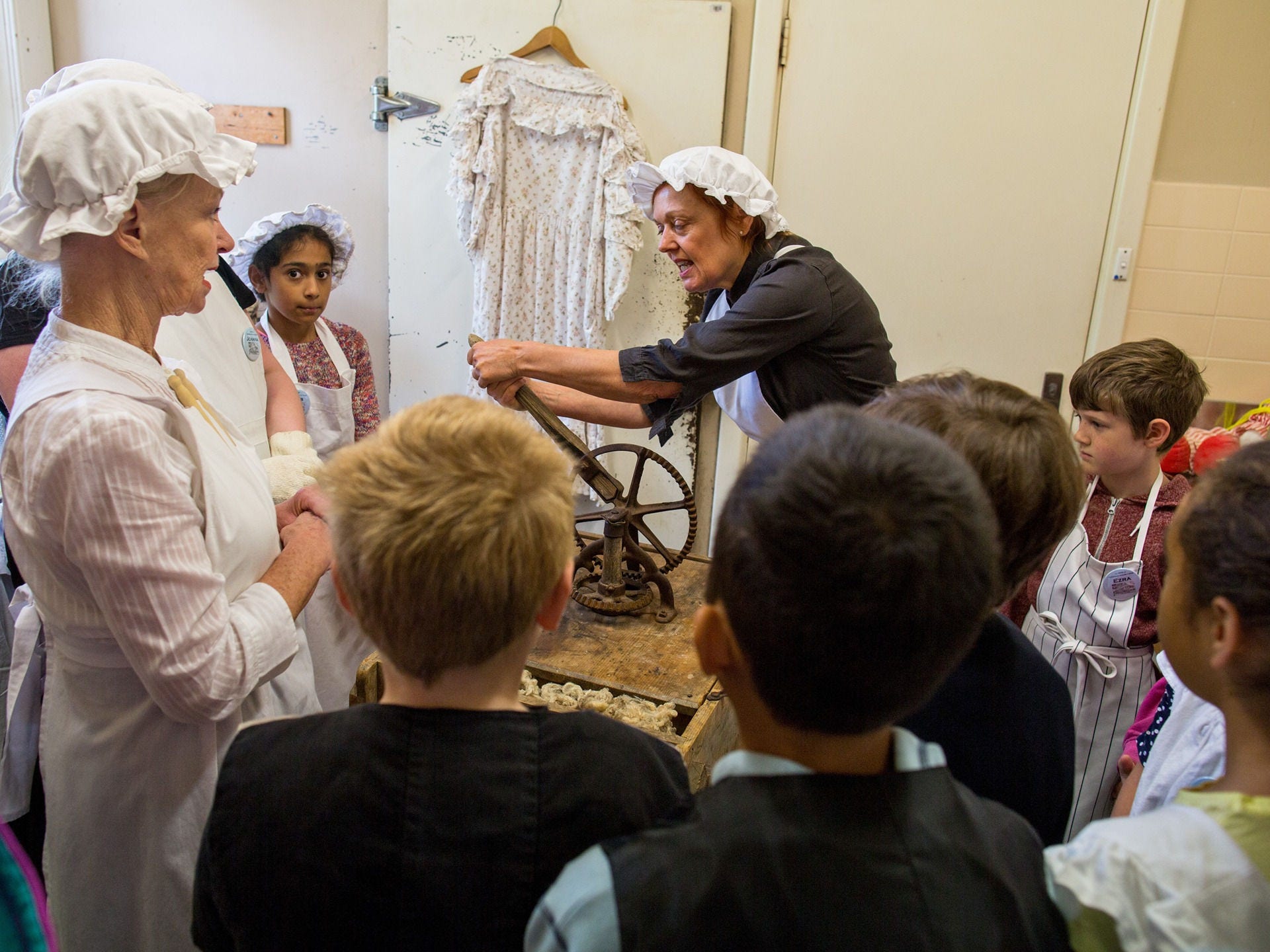
Gardening skills and a certain level of commitment to the program are appreciated. The gardens and arboretum occupy large areas within the historic precinct with activities involving long distances for which a general level of fitness and mobility is required.
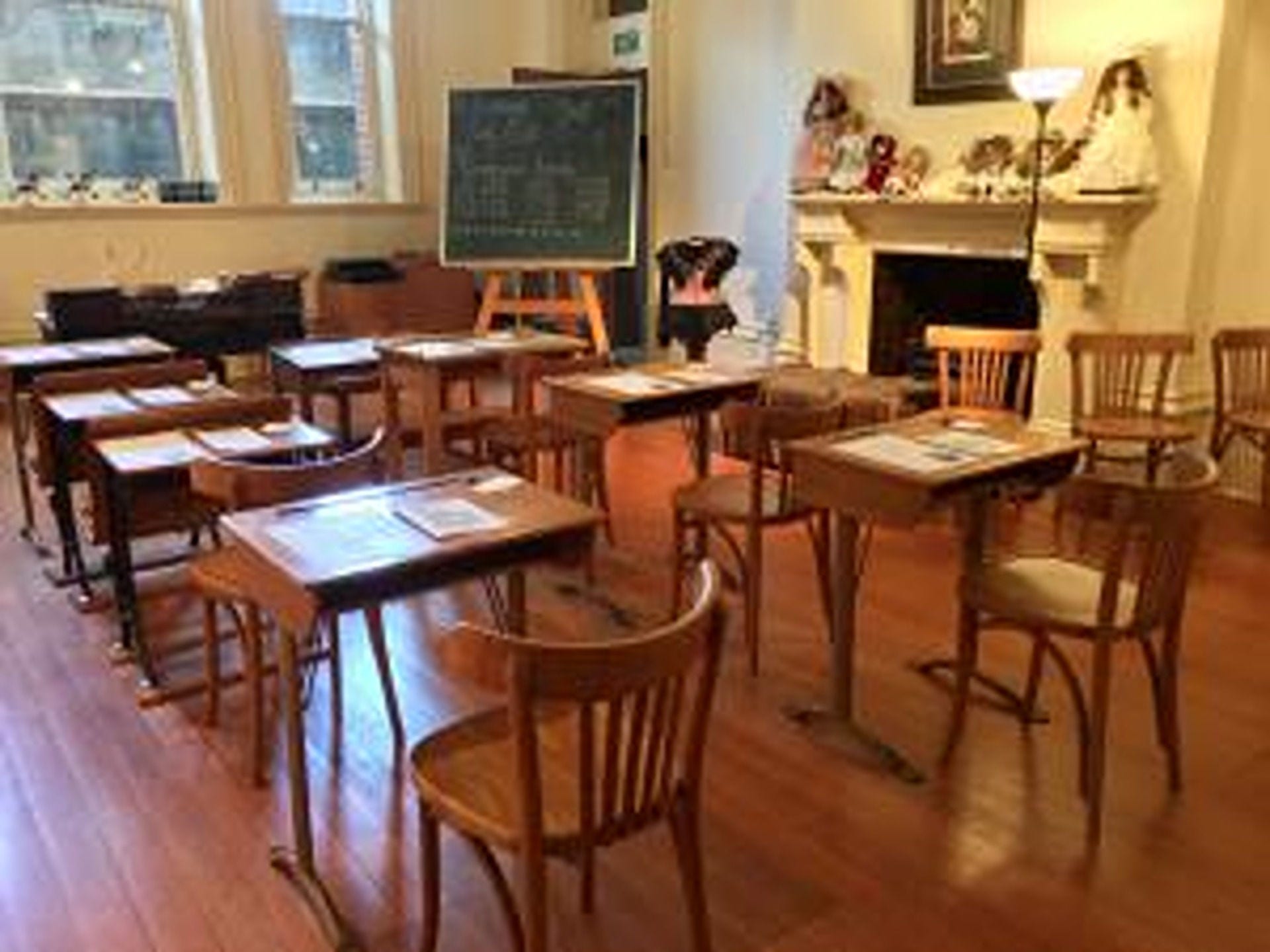
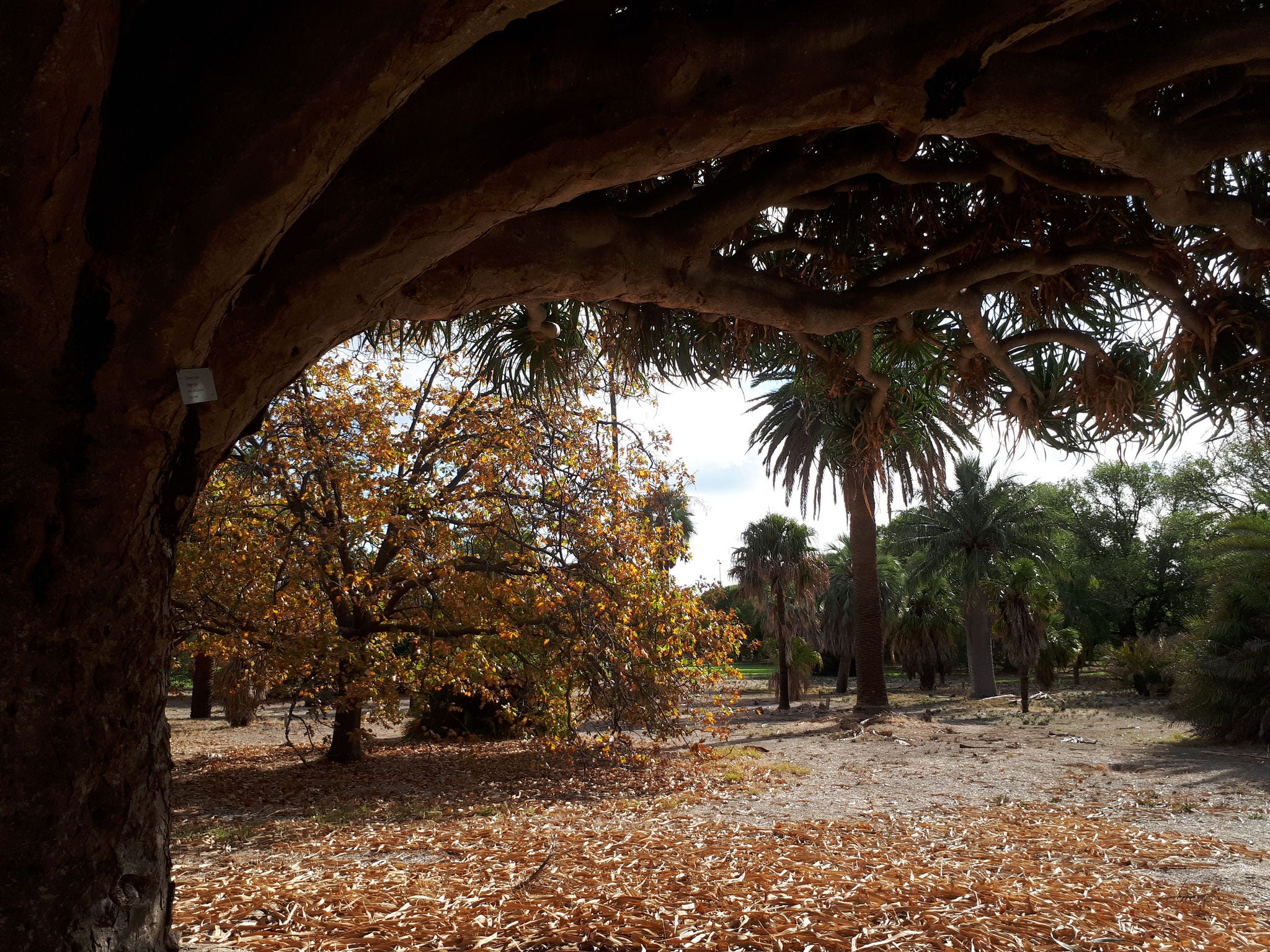
If you are interested, please email arboretum@adelaide.edu.au.

Urrbrae House

This interactive school's program for primary students is run on Wednesday mornings during school term and is designed to enable students in Years 1-2 and 4-6 to step back into the recreated world of 1892. Our volunteers also step back in time, developing a character through role-play and costumes to help recreate the past for the children. Volunteers lead children through various activities.

Year 4-6 children are divided into groups of:

  • Guests of the Waites where the children experience a formal morning tea in the Dining Room and undertake leisure activities appropriate to ladies and gentlemen such as croquet on the lawn (depending on weather), quoits, parlour games, dominoes, flower-pressing and sketching.

  • Household Servants whereby the children experience the many manual tasks that were essential to the running of a large Victorian household such as preparing and serving food, doing laundry using washboards, cleaning silver, polishing boots, beating rugs and making pomanders.

School children are taken through a school lesson by a governess that includes copperplate writing using inkwells and nib pens, and learning about Victorian values. The children are also given the opportunity to play with reproductions of late nineteenth century toys such as porcelain dolls, china tea sets, wooden tops and quoits. 

 
Children in Years 1-2 undertake a simpler, modified version of the older children's program. 
 
For more information see the Education page.

For further information contact 8313 7497 or email urrbraehouse@adelaide.edu.au.

PLEASE NOTE: All schools volunteers must obtain a DCSI clearance as you will be working with children. The University can assist you with this.

The Waite Arboretum and Conservation Reserve

Project works involving data collection of flora and fauna are available from time to time.

Please email arboretum@adelaide.edu.au for further information.

Urrbrae House

Project work involving historic research and the Urrbrae House Historic Precinct Collections is available from time to time.

If you have an interest and some experience in these areas, please contact Lynette Zeitz for further information on 8313 7425 or email lynette.zeitz@adelaide.edu.au.

Urrbrae House

Volunteer Tour Guides in our heritage-listed Urrbrae House lead tours mainly on the first Sunday of every month during autumn and spring, and during school holidays. Guides can be expected to take groups of up to 20 people at any one time. Guides may also assist with events held during History Month and at other times.

All of our guides are instructed in the history of Urrbrae House, the Waite family and the early Waite Agricultural Research Institute.

 Please contact 8313 7497 or email urrbraehouse@adelaide.edu.au.

Waite Arboretum

Volunteer Tour Guides in the Waite Arboretum operate mainly on the first Sunday of every month and can be expected to take groups of up to 20 people at any one time.

All of our guides are instructed in the history and features of the Arboretum.

Please email arboretum@adelaide.edu.au for further information.

Waite Conservation Reserve

Working bees are held fortnightly in autumn to early summer, on alternating Saturday and Sunday mornings. Volunteers participate in a variety of tasks including weed control, seed collection, documentation of flora, and track maintenance.

Please email arboretum@adelaide.edu.au for further information.


Friends of the Waite Arboretum work to foster interest in the care and use of the Arboretum, and to raise funds for its development and promotion.

Members receive a quarterly newsletter and may participate in a program of exhibitions, excursions, events and lectures. You can participate by helping with fundraising, developing educational materials or collaborating with articles for newsletters.

For more information visit The Friends of the Waite Arboretum website.

friends of Waite Arboretum

The Friends of the Waite Conservation Reserve assist in the conservation and ecological restoration of the Waite Conservation Reserve. The aim is to promote the use of the Waite Conservation Reserve as a research and educational resource.


Members of the Friends of Waite Conservation Reserve receive a quarterly newsletter with information about current conservation and development work.

Working Bees

Waite Conservation Reserve volunteers meet on the first Saturday and third Sunday of every month at 9am to walk and weed. For more information contact Peter Bird on 0418 853 834.

For more information visit The Friends of Waite Conservation Reserve website

Giving

Thank you for choosing to support us.

All gifts of $2 or more are tax deductible. 

Gifts made in Australia to Adelaide University are tax deductible, depending on your personal circumstances. The University is endorsed as a Deductible Gift Recipient (DGR) by the Australian Taxation Office in accordance with section 30-15 of the Income Tax Assessment Act 1997. This DGR endorsement places certain obligations on the University, including the maintenance of the gift fund and inclusion of certain details on receipts. 

Please visit Giving for more information and select the designated area you would like to support:

Urrbrae House Historic Precinct
Waite Conservation Reserve

Contact us

Waite Historic Precinct

Telephone

(08) 8313 7497

Email

urrbraehouse@adelaide.edu.au