
Edited by Samer Akkach
FREE | 2019 | Ebook (PDF) | 978-1-925261-76-9 | 238 pp
Edited by Samer Akkach
FREE | 2019 | Ebook (PDF) | 978-1-925261-76-9 | 238 pp
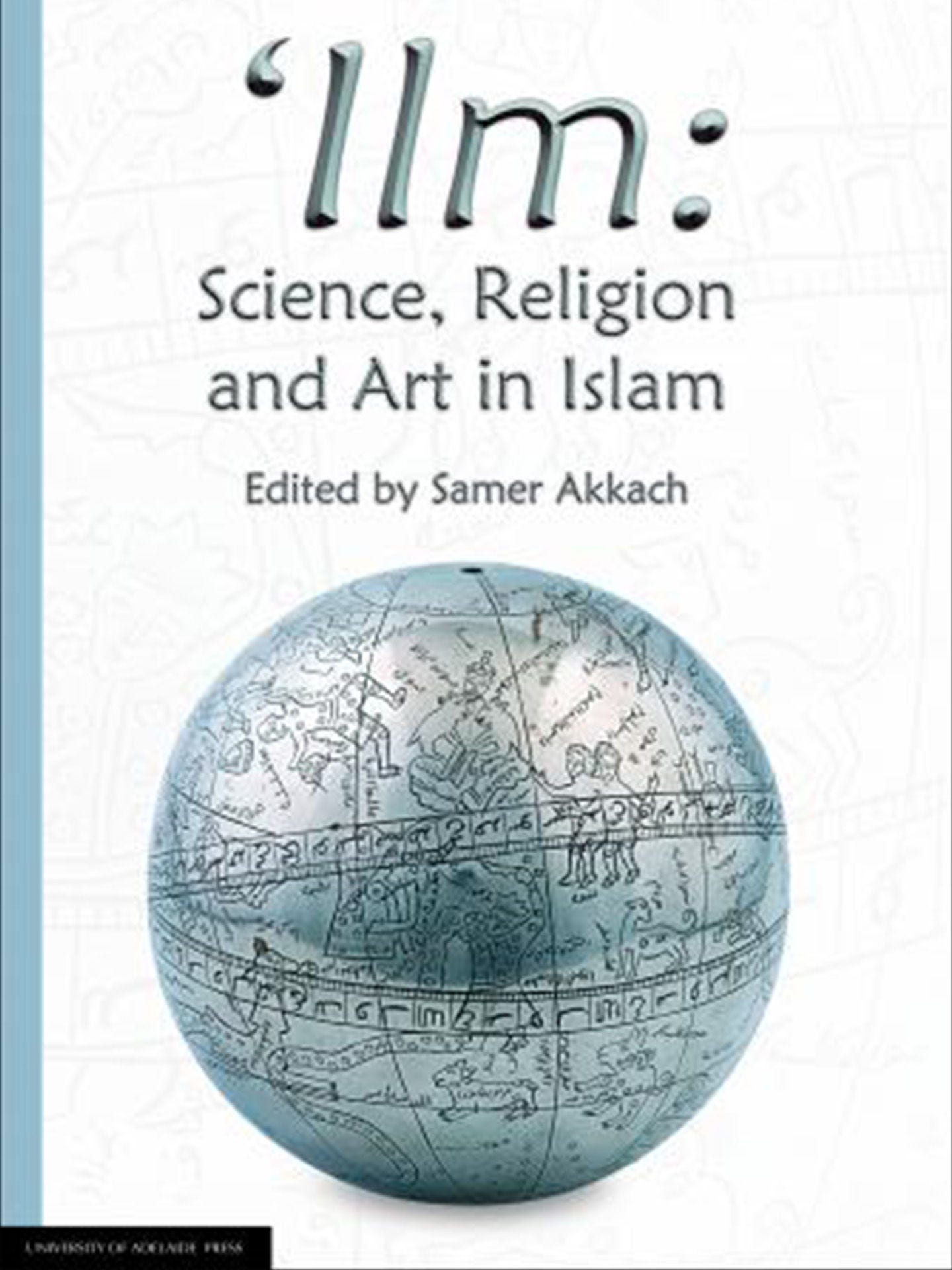
This edited volume of chapters resulted from an international conference held at the University of Adelaide in July 2016 under the same title to explore the multifaceted concept of ʿilm in Islam — its agency and manifestations in the connected realms of science, religion, and the arts. The aim is to explore the Islamic civilisational responses to major shifts in the concept of ‘knowledge’ that took place in the post-mediaeval period, and especially within the context of the ‘early modern’.
From the perspective of this volume, as shown by the multiple perspectives of the authors, the true value of knowledge lies in its cross-civilisational reach, as when the development of knowledge in pre-modern Islam exerted profound changes onto the Europeans, whose resurgence in the early modern period has in turn forced massive changes onto the Islamic worldview and its systems of knowledge. Now the landscape of knowledge has significantly changed, the Muslim mind, which has been historically calibrated to be particularly sensitive towards knowledge, can and should open to new horizons of knowing where science, religion, and art can meet again on freshly cultivated and intellectually fertile grounds.
Samer Akkach is an established scholar in two fields of study, architectural history and theory, and Islamic studies, and has a cross-cultural background, interdisciplinary research interests, and a unique mix of expertise. He founded the Centre for Asian and Middle Eastern Architecture (CAMEA) in 1997. His scholarly publications include Cosmology and Architecture in Premodern Islam: An Architectural Reading of Mystical Ideas (2005), ‘Abd al-Ghanī al-Nābulusī: Islam and the Enlightenment (2007), and, most recently, Damascene Diaries: A Reading of the Cultural History of Ottoman Damascus in the Eighteenth Century (2015).

